


Journalism of Courage
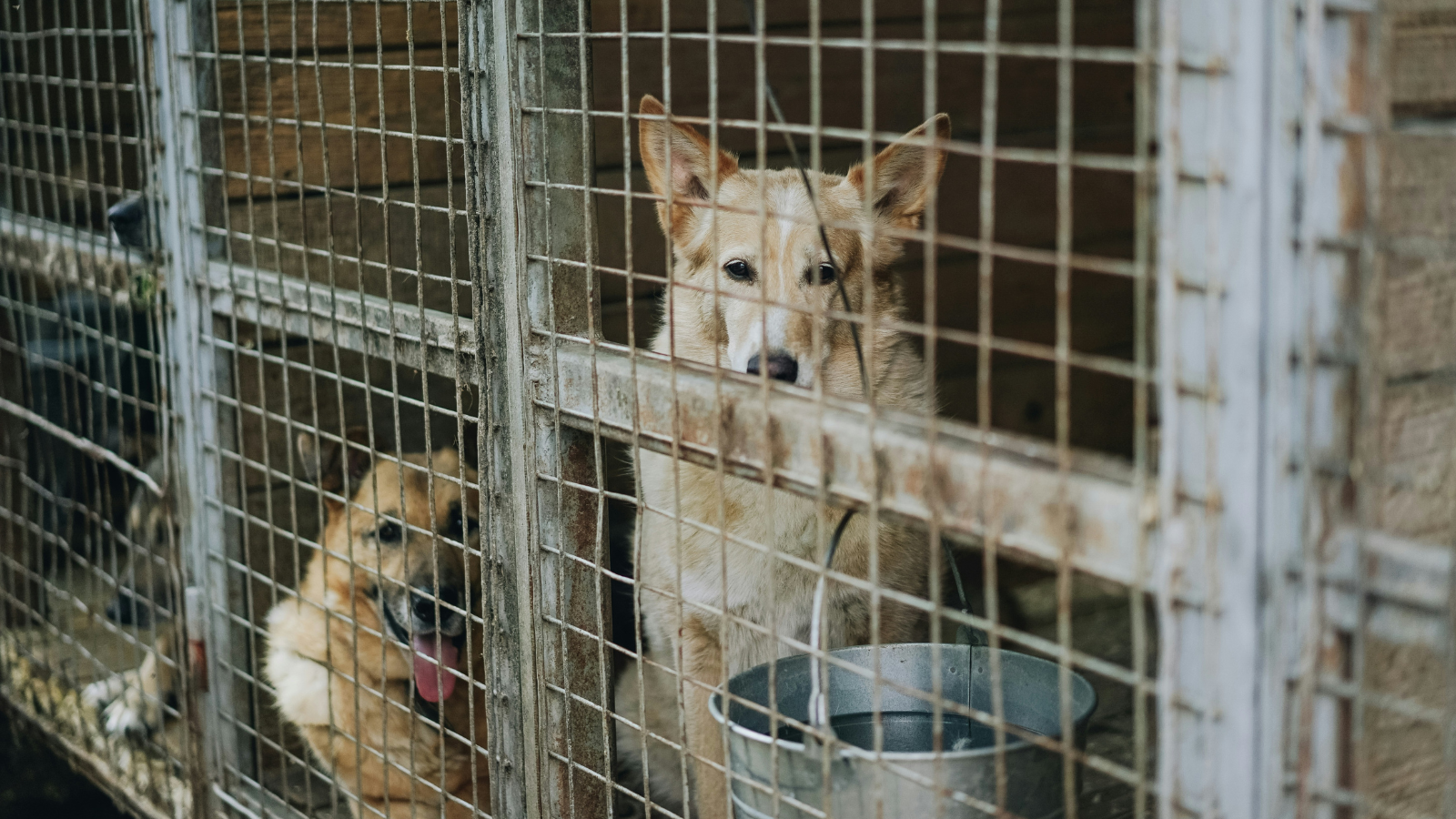
 Positive reinforcement and gentle handling can help rescued dogs build confidence and trust (Image Source: Unsplash)
India’s stray and rescued dogs are no longer a small issue; they are a challenge involving public health, animal welfare, and municipal governance. As per a 2019 census published by the Press Information Bureau, the total population of stray dogs and cattle in the country was 203.31 lakh. Rescuing a dog is the beginning of a new journey—not just for the animal, but also for its new family.
Sanjana Sharma, a certified K9 Coach says, “India has repeatedly shown just how much people care about its dogs, even bringing strangers together over their welfare. The compassion is clearly there; perhaps we just need the right way to channelise it.”
Sometimes it is a bowl of water on a hot afternoon, a little food, a helping hand when a dog is hurt, or simply making sure the dogs around us are healthy and safe.
DISCLAIMER: This article is based on information from the public domain and/or the experts we spoke to.
Many rescued dogs are frightened, stressed, injured, or confused when they arrive at a shelter, so Malabica Chakraborty, Founder, Wagging Tales Foundation, says, “We avoid unnecessary handling and allow them to settle at their own pace.”
“Once the dog is calm and comfortable, a basic health assessment is held to understand its condition and identify any urgent medical needs. Depending on the dog’s condition, it is provided with clean and safe accommodation, fresh drinking water, nutritious food, and appropriate medical care,” she adds.
Unlike puppies raised in stable environments, rescued dogs may carry fear, anxiety or past experiences that influence their behaviour. The key to training them is patience, consistency and trust.
 A rescued dog needs patience, routine and a safe environment to adjust to its new surroundings (Image Source: Unsplash)
As a dog trainer and animal lover, I have always found our relationship with community dogs fascinating, says Sanjana Sharma.
Every rescued dog has a different story. Training is not about changing who they are. It is about helping them feel safe enough to become the best version of themselves.
Megha Paul, Founder of M & M Waggy Tales Pvt Ltd, says positive reinforcement is one of the most effective training approaches.
“Reward desired behaviours with treats, praise or affection rather than using punishment. Simple commands such as sit, stay, come and leave can be introduced gradually through short, enjoyable sessions,” she adds.
Socialisation should also happen at the dog’s pace.
Megha says, “Controlled exposure to people, other dogs and unfamiliar environments can gradually build confidence. If the dog displays aggression, extreme fear or separation anxiety, professional behavioural guidance is recommended.”
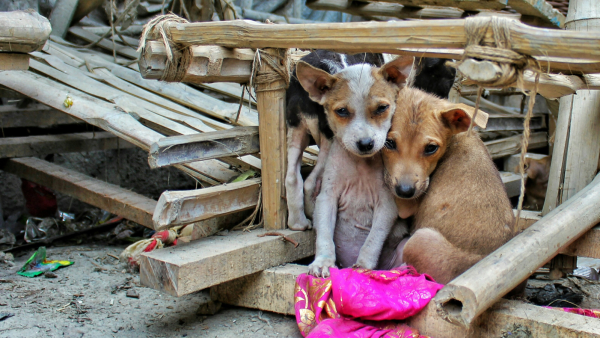 For rescued dogs, a calm environment and consistent care can be the first steps towards feeling at home again (Image Source: Unsplash)
For many of us, this relationship with animals begins in childhood, says Sanjana. “It evolves over sharing a biscuit, leaving out a bowl of water or learning to approach a dog gently. As adults, those same faces can make an empty lane feel safer and a routine walk a little happier. Their big eyes, wagging tails, and remarkable ability to adjust to our surroundings make them very easy to love,” she adds.
However, beyond caring for dogs, it is also important to keep spaces safe for others.
“Even something as small as cleaning up the space after feeding is a way of extending that care to the people and respecting neighbours,” Sanjana adds.
We can love our community dogs and care for them, while respecting our surroundings and the people we share them with. That is what responsible coexistence looks like.
DISCLAIMER: This article is based on information from the public domain and/or the experts we spoke to.


