


Journalism of Courage
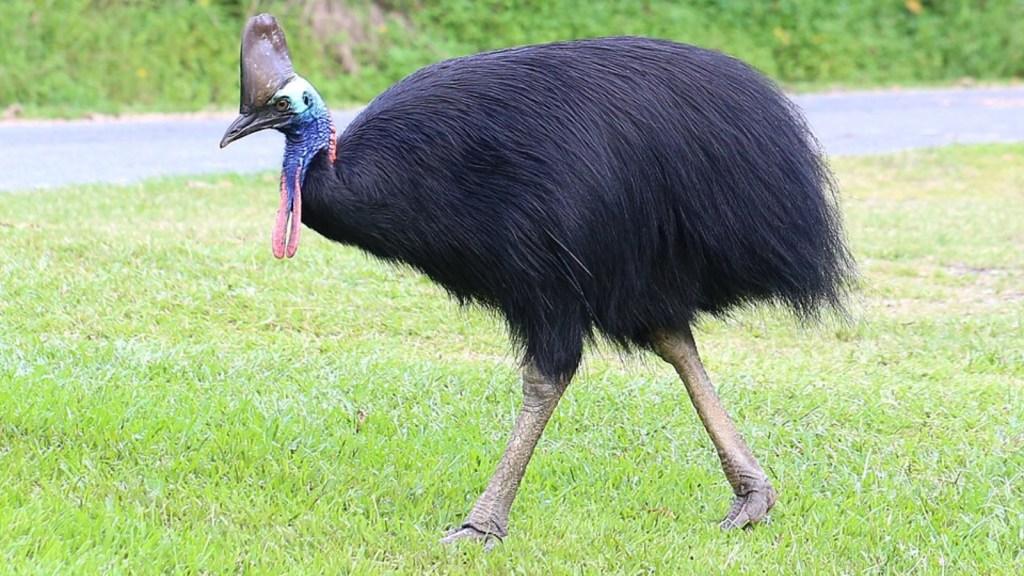 A free ranging Southern Cassowary (Photo: Wikipedia)
Birds come in an extraordinary range of sizes, from tiny hummingbirds weighing only a few grams to flightless giants weighing well over 100 kg. In fact, most of the world’s heaviest birds are flightless, as their bodies have evolved for life on land rather than sustained flight.
Here are five of the heaviest living bird species, based on their reported maximum body weights.
The ostrich (Struthio camelus) is the world’s heaviest living bird. A particularly large male can weigh up to around 156 kg and stand nearly 2.75 metres tall. Despite its enormous size, the ostrich is built for running, not flying. Its powerful legs can propel it to speeds of around 70 kmph, making it the fastest bird on land.
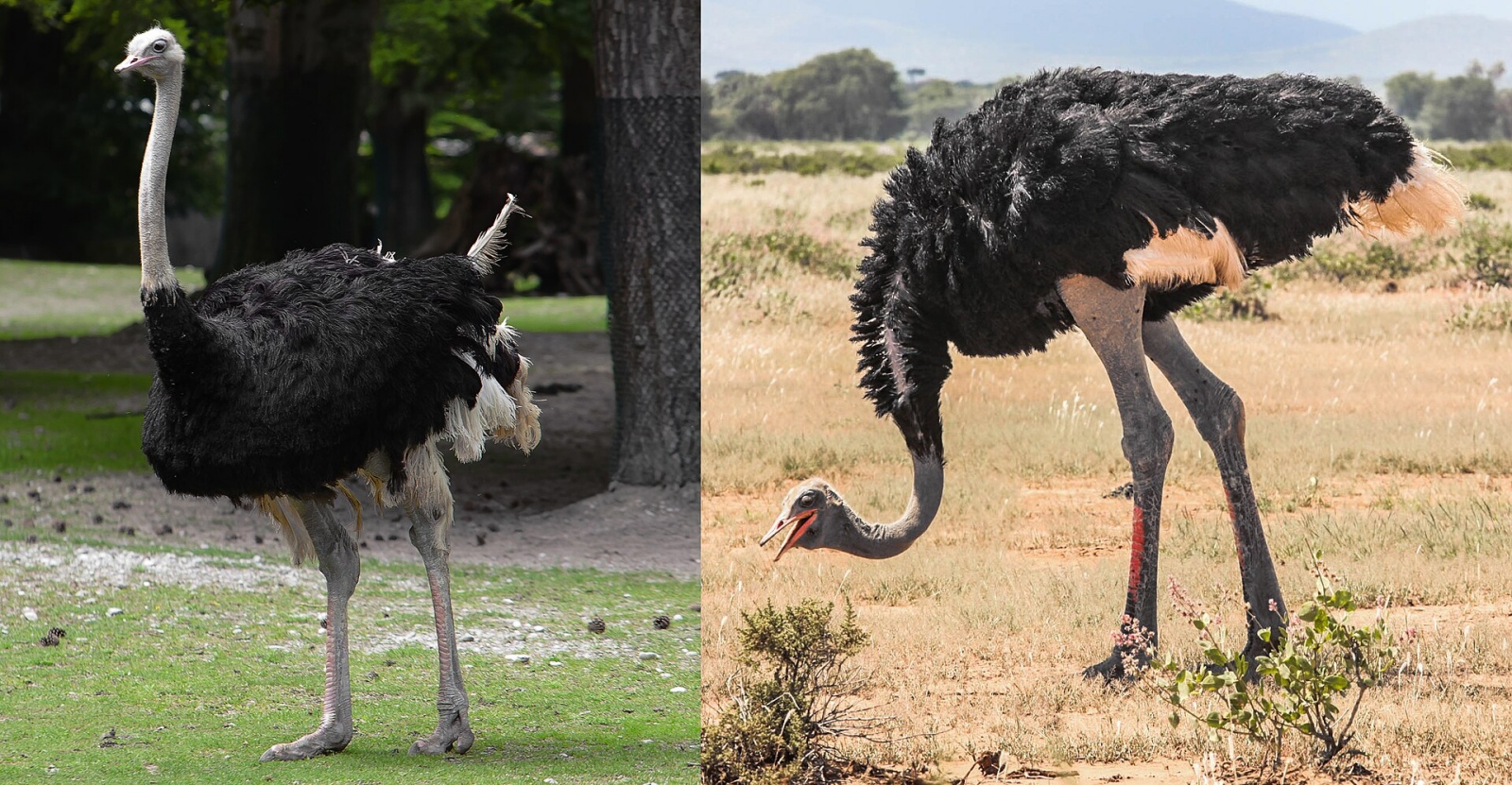 An ostrich (Photo: Wikipedia)
Native to the rainforests of northeastern Australia and New Guinea, the southern cassowary (Casuarius casuarius) is one of the world’s heaviest birds. Large females can reach around 80–85 kg, while males are generally smaller. The Smithsonian notes that females can weigh up to 175 pounds (about 80 kg).
The cassowary is also recognisable for its striking blue and red neck, black plumage and a helmet-like structure called a casque on its head. It is a flightless bird but an important seed disperser in its rainforest habitat.
The emu (Dromaius novaehollandiae) is Australia’s largest bird and one of the world’s largest living birds. Males generally weighing 50–55 kg and females around 5 kg more.
Standing around 1.75 metres tall on average, emus cannot fly but can run at speeds of up to about 50 kmph. Their long legs also allow them to cover considerable distances in search of food and water.
The emperor penguin (Aptenodytes forsteri) proves that being one of the world’s heaviest birds doesn’t necessarily mean living on land.
The largest of all penguin species, emperor penguins can weigh up to 45 kg, although their body weight changes considerably through the breeding and fasting cycle.
 Adult penguins with chicks (Photo: Wikipedia)
Found across parts of South America, the greater rhea (Rhea americana) is the continent’s largest living bird. These flightless birds typically weigh between 15 and 30 kg, although large males can reach around 40 kg.
Like ostriches and emus, rheas belong to the ratite group of mostly flightless birds. They have long legs and can use their wings for balance and manoeuvring while running.


