


📣 For more lifestyle news, click here to join our WhatsApp Channel and also follow us on Instagram
© IE Online Media Services Pvt Ltd
Tags:


Financial problems can frequently be the root of stress and anxiety. Over 1.5 million people in England alone are struggling with both serious debt and mental health issues, according to the UK’s Money and Mental Health Institute. Additionally, a CNBC survey revealed that 70 per cent of US citizens had money problems; and that 52 per cent of those respondents stated their financial stress has worsened since the COVID-19 outbreak started in March 2020.
Ken Honda has attempted to reimagine how you handle your finances in his book Happy Money: The Japanese Art of Making Peace with Your Money.


According to Dr Kunjan Gupta, Consultant Psychiatrist, Regency Hospital, gratitude is an important aspect of Japanese culture and can be applied to various aspects of life, including money.
Honda distills his ideology into the straightforward adage, ‘Arigato in, Arigato out.’ Simply put, this means that you should value both the influx and outflow of money in your life.
No matter how little or a lot of money you receive, you always accept it with love and gratitude. And when you spend money, you follow suit by being grateful and doing it with an open heart. Saying thank you is sufficient to express gratitude for the outflow and inflow of funds.
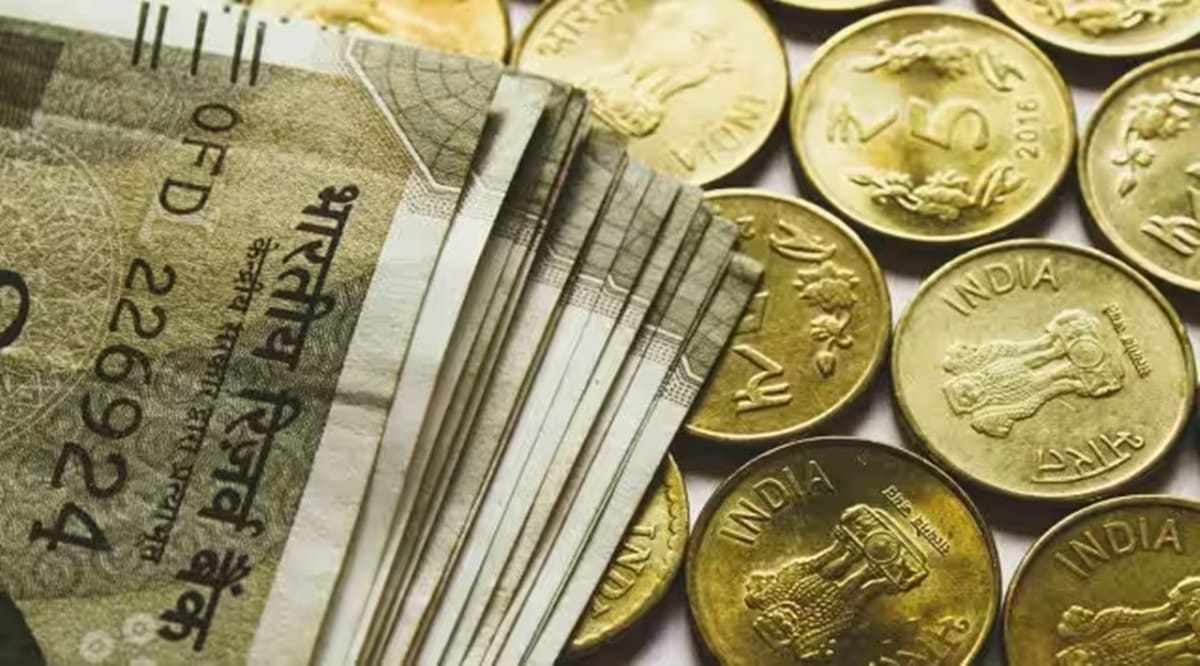
Being appreciative of your money when it is going to leave your possession is unusual. But it enables you to cultivate a grateful mindset, which is the sustenance for your spirit.
For instance, when it comes to paying your phone bill, you can be grateful that you can contact the outside world rather than criticising or worrying about it. When you spend money on something that improves your quality of life, you can feel grateful that you can afford it.
The method encourages a ‘Zen’ manner of living. Simply said, the Zen philosophy encourages people to live in the present. You are prevented from thinking negatively or worrying about the future by it.
It doesn’t imply you shouldn’t make financial sacrifices. You’re not compelled to practice austerity or control your consumption. The approach encourages you to spend money on things that are truly valuable. Honda promotes the idea that wise spending is just as welcome as wise earning.
From a mental health expert’s perspective, Dr Gupta said that applying gratitude to your life and money can have several positive effects. Here are some ways you can be thankful for your money, as suggested by the expert:
Keeping a gratitude journal where you regularly write down things you’re thankful for, including financial blessings, can boost your overall well-being.
Being mindful of your spending and appreciating what your money enables you to do can help you make more conscious financial decisions.
When creating a budget, focus on allocating funds to areas that bring you joy and fulfillment. This way you can ensure your money aligns with your values and priorities.
Practicing generosity and donating to causes you care about can be a powerful way to express gratitude for your financial stability.
Gratitude can help you avoid the trap of constantly comparing your financial situation to others, reducing financial stress.
By incorporating gratitude into your financial mindset, you can foster a more positive and mentally healthy relationship with money. Remember, consulting a mental health expert or financial advisor for personalised guidance on managing your money and well-being is always a good idea.
📣 For more lifestyle news, follow us on Instagram | Twitter | Facebook and don’t miss out on the latest updates!


