4 min read
📣 For more lifestyle news, click here to join our WhatsApp Channel and also follow us on Instagram
© IE Online Media Services Pvt Ltd



 Fortunately, several approaches can help improve both blood pressure and sexual health. (Source: Freepik)
High blood pressure is a common health issue that can silently impact various aspects of one’s life, and this includes intimate relationships. While people are often aware of the risk it poses to heart health, fewer may realise its potential effect on sexual well-being.
As such, the connection between high blood pressure and sexual health is often overlooked, yet it can significantly impact intimate relationships. Understanding this link is crucial for those managing hypertension. But what are the specific ways high blood pressure can interfere with sexual health? And are there steps individuals can take to manage these effects while working to lower their blood pressure?
“High blood pressure can have a profound impact on sexual performance and desire in both men and women,” explains Dr Suri Raju V, senior consultant urologist at Regal Super Speciality Hospital. He notes that in men, hypertension can lead to erectile dysfunction (ED). “The underlying issue is that high blood pressure damages the endothelium, or the inner lining of blood vessels, reducing their ability to dilate properly. This results in restricted blood flow to the penis, making it difficult to achieve or maintain an erection.”
For women, the effects can be equally challenging. “High blood pressure can reduce blood flow to the vaginal area, leading to decreased sexual arousal, vaginal dryness, and difficulty achieving orgasm,” says Dr Raju. He adds that the emotional burden of managing hypertension can also affect libido.
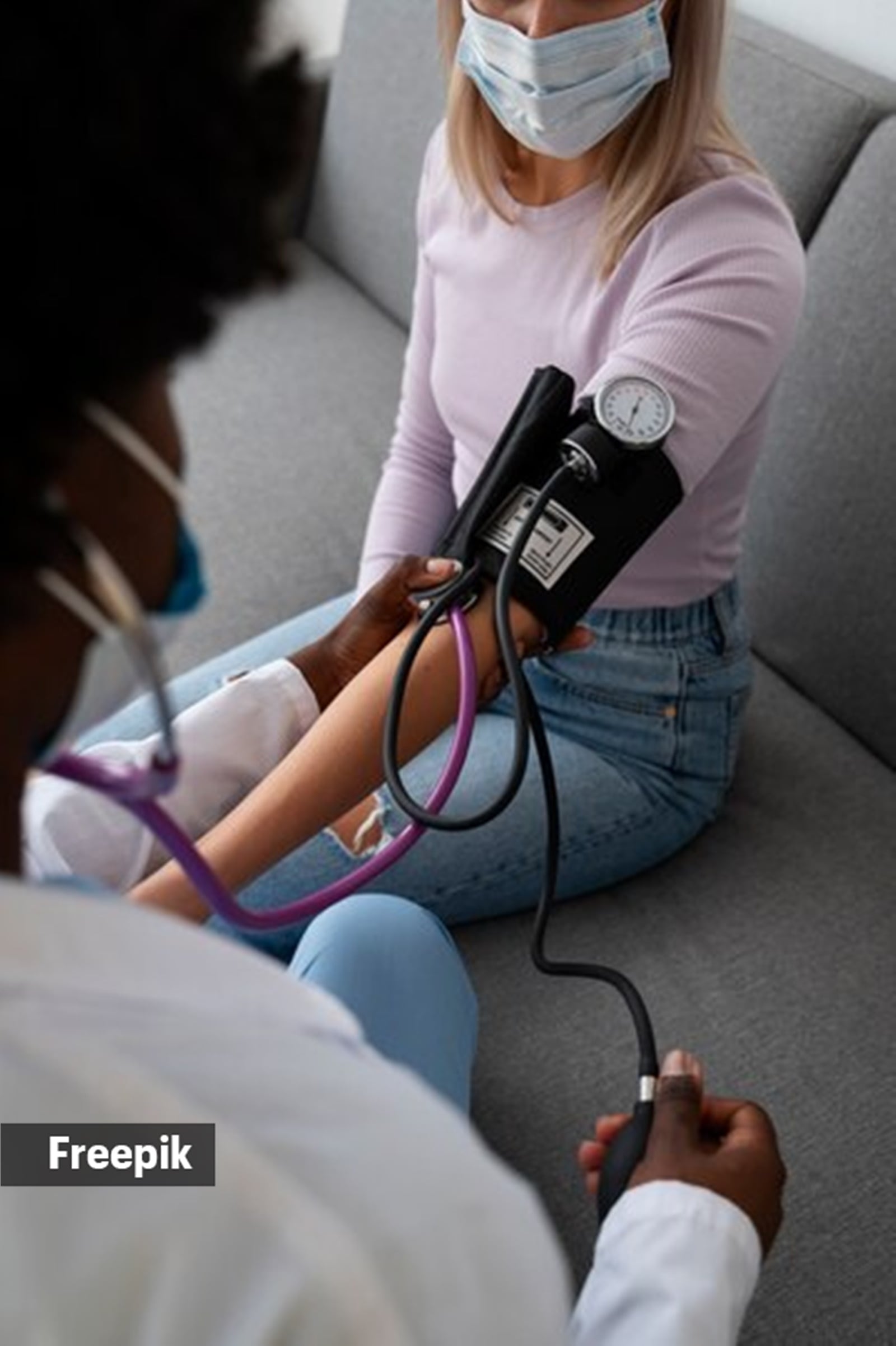 The body’s stress response triggers the release of hormones like cortisol and adrenaline, which can constrict blood vessels and increase blood pressure (Source: Freepik)
The relationship between blood pressure and sexual function is rooted in vascular health. “Healthy sexual arousal relies on proper blood circulation and nerve signaling,” Dr Raju explains. “High blood pressure damages the arteries over time, causing them to become less elastic and more prone to narrowing.”
“The impact is significant — research from Current Hypertension Reports indicates that up to 68% of men with hypertension experience some degree of erectile dysfunction, and women with high blood pressure are 40% more likely to experience sexual arousal disorders,” notes Dr Raju.
Fortunately, several approaches can help improve both blood pressure and sexual health. Dr Raju recommends regular physical exercise, noting that “even moderate exercise, such as brisk walking for 30 minutes a day, significantly improved sexual performance and satisfaction in people with hypertension.”
He also emphasises the importance of dietary changes, particularly following the DASH diet, and suggests considering medications carefully. “Blood pressure medications like Angiotensin-converting enzyme (ACE) inhibitors or calcium channel blockers are less likely to cause sexual side effects compared to older antihypertensive drugs,” he advises.
Stress management plays a crucial role in both conditions. “The body’s stress response triggers the release of hormones like cortisol and adrenaline, which can constrict blood vessels and increase blood pressure,” Dr Raju explains. He recommends that couples maintain open communication and use stress-reduction techniques like yoga or meditation.
“Physical touches, like non-sexual cuddling or massage, can also release oxytocin, the ‘bonding hormone,'” he adds, emphasising that supporting each other through these challenges can make a significant difference in managing both conditions effectively.
DISCLAIMER: This article is based on information from the public domain and/or the experts we spoke to. Always consult your health practitioner before starting any routine.