


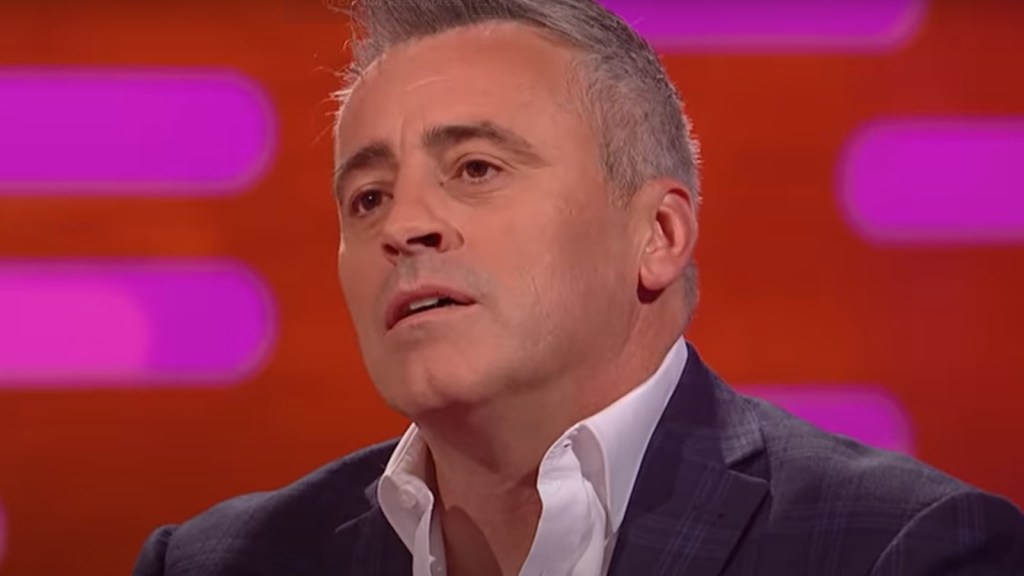


Recent photos of Matt LeBlanc appearing exhausted during a rare public outing have sparked concern among his Friends co-stars. According to reports, the actor, best known for playing the iconic Joey Tribbiani on Friends, has withdrawn from social interactions, and was last seen publicly in December.
An insider told InTouch Weekly, “He used to be such an upbeat, happy guy, but now it seems like he doesn’t feel worthy to be around them.” According to the source, his co-stars from the sitcom have been reaching out to offer their support as they have not heard from him a lot recently.

“Nobody is body-shaming Matt or accusing him of any unhealthy habits,” the insider said. “What’s worrying for Jennifer Aniston and the rest of the Friends crew is that he’s become so withdrawn, and they hear from him less and less.”
This comes after the passing of his co-star and close friend, Matthew Perry, due to an alleged ketamine overdose last year. As the investigation into his death unfolded, it exposed a troubling network of ketamine distribution involving medical professionals, leading to multiple arrests in August this year.
LeBlanc’s behaviour, while concerning, is not uncommon following the loss of a close friend or colleague. Sonal Khangarot, a licensed rehabilitation counsellor and psychotherapist at The Answer Room, sheds light on why individuals often withdraw from their social circles after experiencing a significant loss.
The process of grief and withdrawal
“Grief and loss, like other mental health concerns, is a process, and so are the ways one copes with it,” Khangarot explains. She references the stages of grief outlined by Elisabeth Kübler-Ross: denial, anger, bargaining, depression, and acceptance. However, Khangarot emphasises that these stages aren’t necessarily experienced chronologically.
“An individual is making peace and learning to start fresh in their ways,” she says. “There are voices in their head they need to make sense of, and there’s often a low will to see anyone because one feels that others wouldn’t understand what they’re going through.”
This withdrawal, according to Khangarot, stems from a need to understand and process the loss while making sense of one’s new reality. The individual may be experiencing various emotions such as anger, guilt, shame, sadness, and confusion, which can be challenging to process in social settings.
 Too much time alone can worsen the grief. (Source: Freepik)
The impact of prolonged social isolation
While withdrawal is a common response to grief, prolonged social isolation can have significant impacts on mental health. Khangarot warns of the risks associated with extended periods of isolation:
“Too much time alone can worsen the grief. One can very easily step into chronic depression, anxiety, or more complicated grief,” she cautions. “Isolation can prevent an individual from seeking social support, which is crucial during the time of bereavement.”
She also points out that loneliness often increases the risk of substance use and suicidal ideation. In some cases, these emotional symptoms can manifest physically, leading to sleep disturbances, cardiovascular problems, and weakened immunity.
Recognising the signs and offering support
For those experiencing grief, Khangarot outlines some early signs that may indicate a struggle with grief-related depression or anxiety:
- Changes in sleep patterns
- Weight fluctuations
- Altered appetite
- Overall mood and affect changes
- Increased irritability
- Persistent feelings of hopelessness and worthlessness
- Loss of interest in previously enjoyed activities
- Chronic physical symptoms like headaches, stomachaches, and body aches
- Constant, unexplained fatigue
She emphasises the importance of professional help during times of grief. For those looking to support a grieving friend or family member, she suggests facilitating a gradual reintegration into social settings:
“Rather than jumping into large gatherings, one can go for small group meets, with less pressure,” she advises. “It can start with connecting with loved ones who the individual is comfortable around. Going for a quick coffee or telephoning a loved one can be the starting baby step.”
She also recommends engaging in physical activities and hobbies that bring a sense of social comfort and support. Additionally, grief support groups can provide a safe space for sharing experiences and feeling understood without the pressure of social performance.