


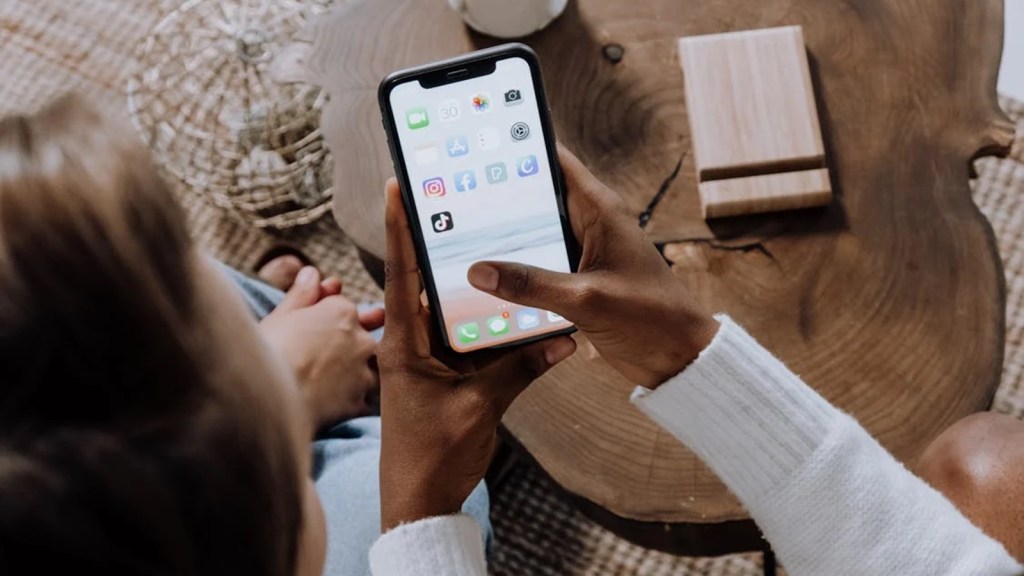


Australia is taking a bold step in child safety by introducing a social media ban for children under 16. By restricting access until children are 16, the goal is to foster healthier online habits, encourage more face-to-face interactions, and reduce exposure to harmful content.
The move has received mixed reactions. Supporters argue that it prioritises child well-being, while critics question how effectively such a ban can be enforced and its impact on children’s ability to learn digital literacy skills.

Counselling psychologist Srishti Vatsa unequivocally supports the fact that “social media does more harm than good to children at an impressionable age.”
Here’s a breakdown of the effects of social media on different age groups, as explained by Vatsa, and why this ban may be a step in the right direction.
Why social media can be harmful for kids
For Young Children (Aged 5–8)
At this age, the benefits of social media are extremely limited, even with access to educational content.
According to Vatsa, “Children can quickly become addicted to screen time, leading to reduced physical activity and disturbed sleep or eating patterns.” These factors are crucial for healthy growth.
Research also suggests that excessive exposure at this age can hinder impulse control, social behaviour, and emotional regulation.
For Pre-Teens (Aged 9–12)
Pre-teens are at a critical stage of self-discovery, and while social media may offer creative outlets and a way to connect with friends, it also brings increased risks.
Vatsa warns of the dangers of cyberbullying and online predators, especially as children in this age group begin to develop more independence and may hide their online activities from parents. “Unhealthy screen habits can interfere with emotional and social development, putting them at a disadvantage in forming real-world relationships,” she adds.
 By restricting access until children are 16, the goal is to foster healthier online habits, encourage more face-to-face interactions, and reduce exposure to harmful content. (Image: iStock)
For Teenagers (Aged 13–16)
Teenagers gain the most from social media in terms of social connections and access to supportive communities, especially during their formative years of understanding their bodies and sexuality. However, these benefits often come at a cost.
Vatsa notes that “teens are more susceptible to anxiety, depression, and body image issues, often exacerbated by online relationships and the pressure to maintain a curated digital persona.” Sleep deprivation, another common consequence of excessive screen use, can further harm their mental health and academic performance.
What parents can do
Vatsa suggests that parents use this ban as an opportunity to instill better offline habits. She recommends:
- Encouraging physical activities and hobbies to reduce screen dependence.
- Discussing the potential dangers of social media openly.
- Supervising children’s online activities to ensure safe internet use.
- Promoting family time to build stronger connections outside the digital world.
While Australia’s ban may not be a universal solution, it sheds light on the growing need to address the adverse effects of social media on young minds. As Vatsa aptly concludes, “The digital world offers many opportunities, but children need to be guided to ensure it doesn’t do more harm than good.”