According to WHO, Diabetes is a chronic disease that occurs when the pancreas does not produce enough insulin, or when the body cannot effectively use the insulin it produces. Uncontrolled diabetes can lead to increased blood sugar or hyperglycaemia. Over the time, it can cause serious damage to many of the body’s systems.
Type 2 diabetes (T2B) usually develops in adulthood and is related to obesity, lack of physical activity, and unhealthy diets. This is the more common type of diabetes (representing 90% of diabetic cases worldwide) and treatment may involve lifestyle changes and weight loss alone, or oral medications or even insulin injections.
Gestational diabetes mellitus (GDM): It is similar to type 2 diabetes. It occurs in about 2–10% of all pregnancies and may improve or disappear after delivery. However, after pregnancy approximately 5–10% of women with gestational diabetes are found to have diabetes mellitus, most commonly type 2. It is fully treatable, but requires careful medical supervision throughout the pregnancy.
Congenital diabetes: It is due to genetic defects of insulin secretion, cystic fibrosis-related diabetes, steroid diabetes induced by high doses of glucocorticoids, and several forms of monogenic diabetes.
Symptoms and risks
Increased thirst, increased urination, increased hunger, weight loss, blurry vision, headache, fatigue, slow healing of cuts, and itchy skin. In the long-term, it can cause damage to eyes (leading to blindness), kidneys (leading to renal failure), and nerves (leading to impotence and foot disorders/ possibly amputation). It also increases the risk of heart disease, stroke, and insufficiency in blood flow to legs.
People with type 1 diabetes may experience diabetic ketoacidosis, a type of metabolic problems characterised by nausea, vomiting and abdominal pain, the smell of acetone on the breath, deep breathing known as Kussmaul breathing, and in severe cases a decreased level of consciousness.
What is prediabetes
Prediabetes is a condition when a person’s blood glucose levels are higher than normal but not high enough for a diagnosis of type 2 Diabetes. Many people develop Type 2 Diabetes a couple of years after remaining in the state of prediabetes.
Treatment
While you can’t do anything to prevent Type 1 Diabetes, Type 2 Diabetes can be prevented by making appropriate lifestyle changes like attaining the right weight, having a diet rich in whole grains and fiber, and other nutrients.
Alternative therapies
Here’s looking at the treatment of Diabetes as per alternative schools of medicine. Read more
And these stories prove how damaging Diabetes can be…
Diabetes may damage your brain
Having Type 2 diabetes may up Alzheimer’s risk
– With inputs from World Health Organisation
(This is the first of our series on World Health Day – April 7 about major health concerns that are bogging us down)
Second part: All you need to know about obesity

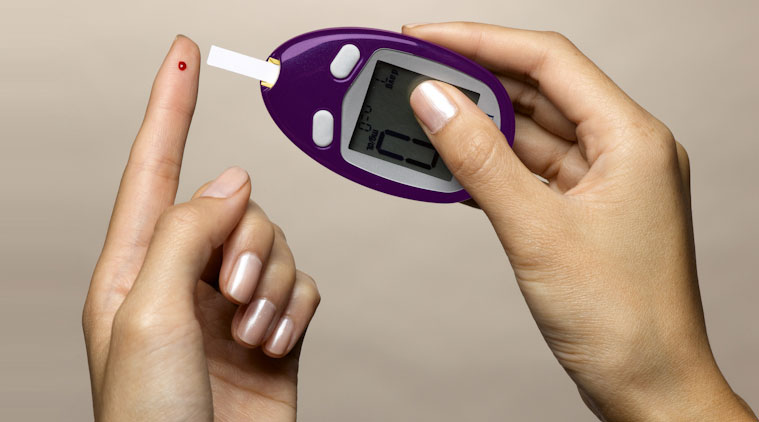 According to WHO, Diabetes is a chronic disease that occurs when the pancreas does not produce enough insulin

 Share


