


Journalism of Courage
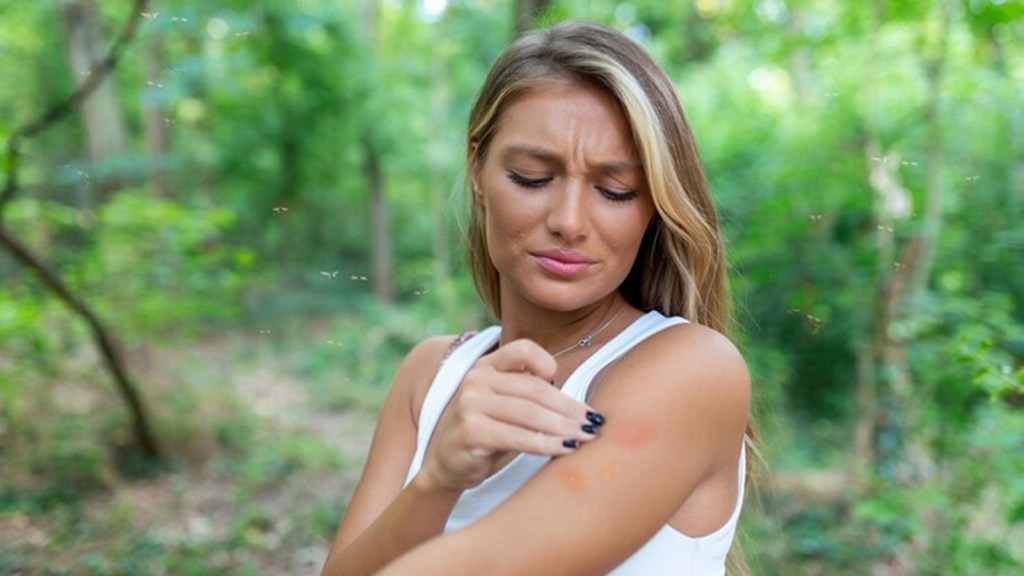 Learn about symptoms, causes, treatment, and prevention of this mosquito-borne viral brain infection. (Source: Freepik)
A day after the Municipal Corporation of Delhi (MCD) reported a suspected case of Japanese Encephalitis Virus (JEV) in the Bindapur area of South West Delhi, officials clarified that the case remains unconfirmed. MCD spokesperson Amit Kumar reassured residents, stating, “There is nothing to be concerned about or panic as Delhi does not have the congenial climatic condition for Japanese Encephalitis.”
To ensure public safety, the MCD has sought assistance from the National Vector Borne Disease Control Programme (NVBDCP) and written to the Union Health Ministry, requesting their scientists to investigate further.
Japanese encephalitis (JE) is a viral infection of the brain caused by the Japanese encephalitis virus (JEV). It is primarily transmitted through the bite of infected mosquitoes, especially those of the Culex species.
Dr Jayanta Thakuria, Director – Internal Medicine and Rheumatology at Yatharth Super Speciality Hospitals, Faridabad, explained, “Japanese encephalitis is not directly contagious or communicable between humans. It cannot be spread through casual contact or person-to-person transmission.”
The virus thrives in regions with pig farming and rice paddies, as pigs and birds act as amplifying hosts. Dr Thakuria noted that while anyone in endemic areas is at risk, certain groups are more vulnerable:
 Severe cases typically occur when the virus causes brain inflammation, leading to neurological complications. (Representative image)
While most people infected with JEV remain asymptomatic, severe cases can result in serious health issues. Dr Thakuria outlined the symptoms of severe Japanese encephalitis:
Severe cases typically occur when the virus causes brain inflammation, leading to neurological complications.
There is no specific antiviral treatment for Japanese encephalitis. Management focuses on supportive care, Dr Thakuria said, which may include:
Dr Thakuria emphasised that vaccination is the most effective preventive measure, especially for travellers to endemic areas. Additionally, mosquito control measures such as using repellents, wearing protective clothing, and avoiding mosquito-prone areas during peak times can significantly reduce risk.
As the city awaits confirmation of the suspected case, health officials are focusing on surveillance and vector control. Public awareness about preventive measures is crucial to mitigating any potential risk.


