


Journalism of Courage
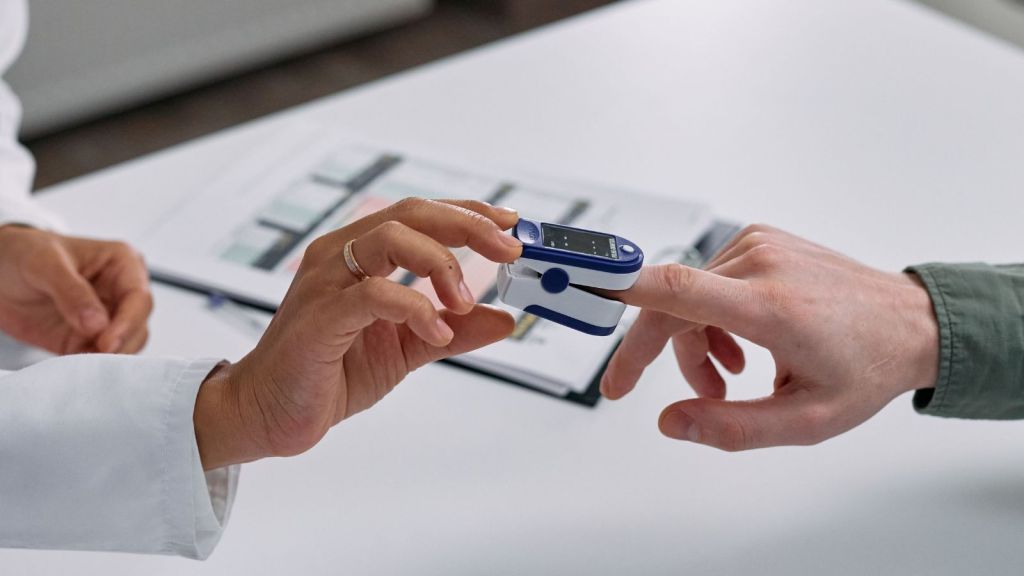 An SpO₂ reading of 94% is slightly below the usual range for a healthy adult at sea level, but one reading may not tell the whole story. (Image Source: Pexels)
An oxygen saturation reading of 94% on a pulse oximeter can be concerning, especially since 95–100% is generally considered the usual range for healthy adults at sea level. However, experts say a single reading isn’t necessarily alarming, as several factors come into play. So, we spoke to a pulmonologist to understand what an SpO₂ of 94% actually means, and when it is important to seek medical attention.
DISCLAIMER: This article is based on information from the public domain and/or the experts we spoke to. Always consult your health practitioner before starting any routine.
An SpO₂ of 94% is slightly below the usual 95–100% range expected in a healthy adult at sea level. However, Dr Manisha Mendiratta, Director & Head – Pulmonology, Sarvodaya Hospital, Sector-8, Faridabad, says, “A single reading does not necessarily indicate a serious problem and should be interpreted with the person’s symptoms and medical history. It is advisable to repeat the reading after resting and ensuring the oximeter is positioned correctly.”
She also mentions several factors that can temporarily cause an oxygen reading to fall to 94%.
“The person should rest, warm their hands, keep the finger still and repeat the measurement before drawing conclusions,” she adds.
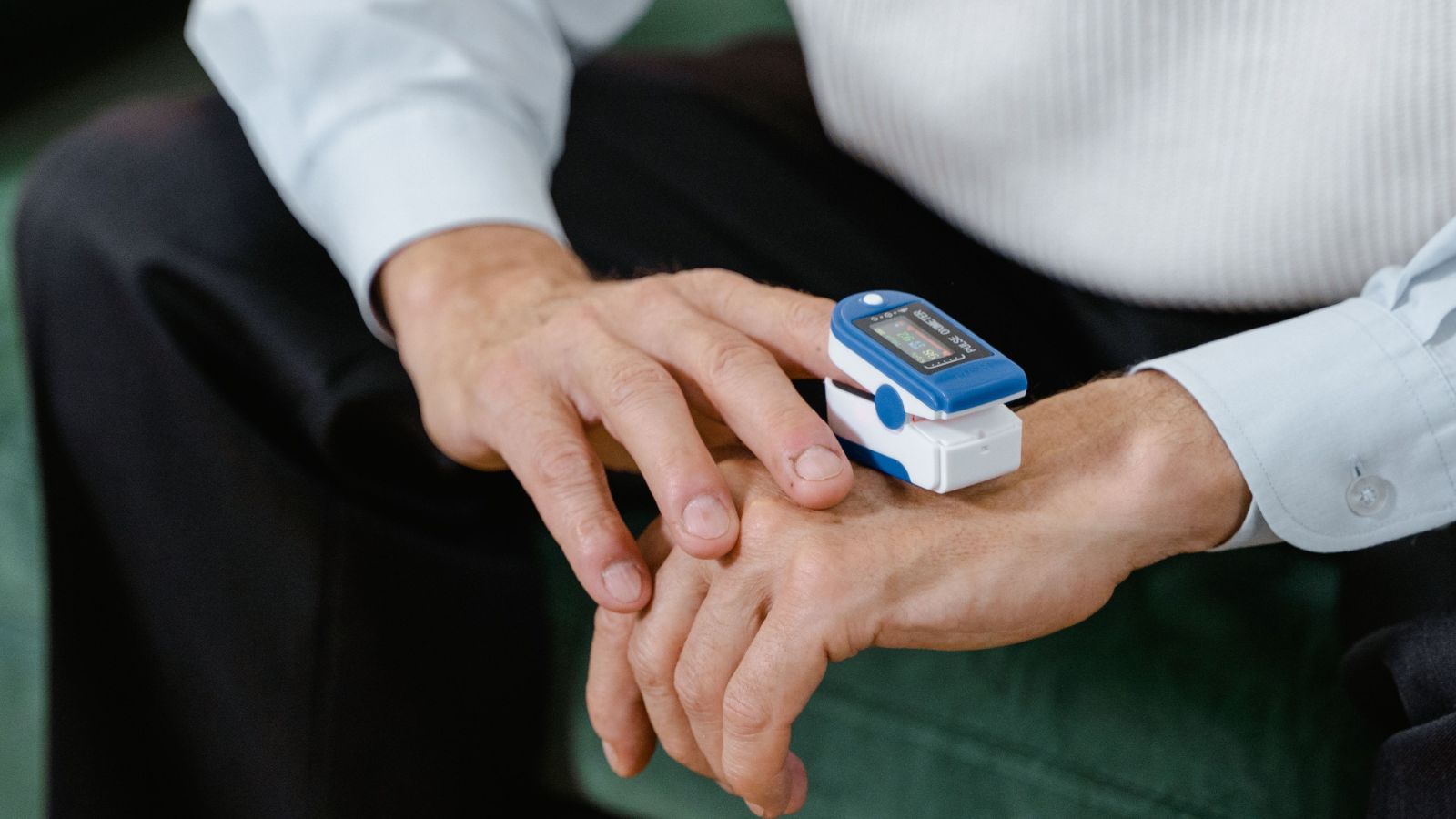 Cold hands, movement and incorrect placement of a pulse oximeter can affect oxygen saturation readings. (Image Source: Pexels)
Dr Manisha says, “A persistent reading around 92% or lower, at rest, warrants medical assessment, while 90% or below requires urgent attention. With a 94% reading, symptoms such as significant breathlessness, chest pain, bluish lips or face, confusion, unusual drowsiness, or difficulty speaking in complete sentences should prompt medical attention.”
If 94% readings persist despite correct measurement, the person should consult a doctor, particularly if this is lower than their usual level. Further evaluation may be needed if any of the above symptoms are present, or if the person has an existing heart or lung condition.
DISCLAIMER: This article is based on information from the public domain and/or the experts we spoke to. Always consult your health practitioner before starting any routine.


