5 min read
📣 For more lifestyle news, click here to join our WhatsApp Channel and also follow us on Instagram
© IE Online Media Services Pvt Ltd



 The difference between bleeding and spotting (light bleeding) during pregnancy is that during the latter you will notice a few drops of blood in your underwear, while bleeding may include a flow of blood. (Source: Freepik)
According to a study published by the National Center for Biotechnology Information, as many as one in three people will experience bleeding during their first three months of pregnancy, with the chances being higher during the first trimester.
Agreeing, Dr Preethika Shetty, Consultant Obstetrician & Gynaecologist, Motherhood Hospitals, Kharadi said, “Sometimes, it can be serious, and at other times not even a matter of concern. But you must always consult a doctor in case of bleeding during any trimester,” adding that women can experience slight brown spotting to bright red bleeding that may last from a day to weeks accompanied with cramping or low backache.
The difference between bleeding and spotting during pregnancy is that during the latter you will notice only a few drops of blood on your underwear, while bleeding may include a flow of blood.
Risk factors
Different causes of bleeding during pregnancy have different risk factors, which include:
*Older age of the pregnant person
*Previous uterine surgery, including C-section
*Smoking
*High blood pressure
*History of sexually transmitted diseases
*Chronic health conditions, like diabetes
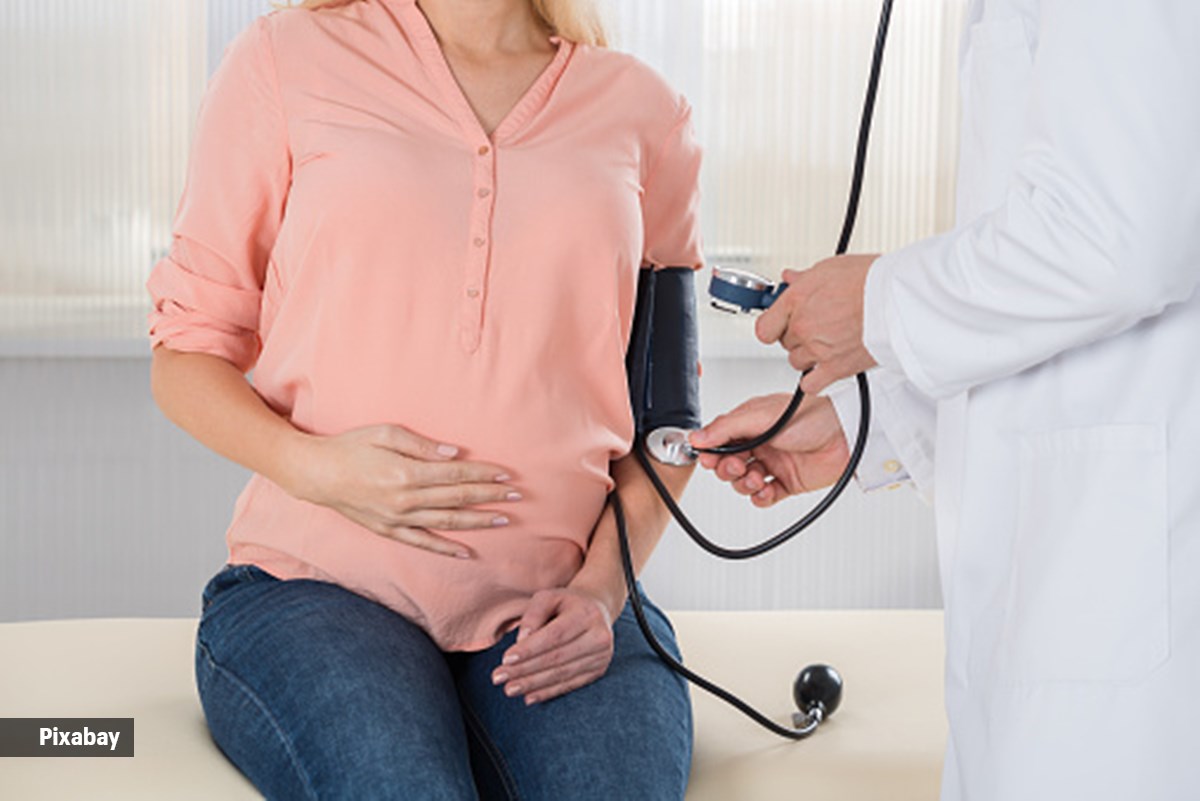 Repeated blood tests can aid in monitoring the changing hCG (human chorionic gonadotropin) hormone levels which determine if the pregnancy is viable. (Source: Pixabay)
First trimester bleeding diagnosis generally requires a physical exam, a blood test, or a sexually transmitted infection test. Repeated blood tests can aid in monitoring the changing hCG (human chorionic gonadotropin) hormone levels which determine if the pregnancy is viable. Progesterone and Rhfactor (a protein on the surface of red blood cells) may also be examined.
There are a number of reasons why people experience bleeding during the first trimester, as per the expert:
Implantation bleeding
It occurs when the fertilised egg attaches itself to the lining of the uterus. Though it is usually light, it may resemble spotting. It is accompanied by nausea and headache and is considered a normal part of pregnancy.
Ectopic pregnancy
An ectopic pregnancy occurs when the fertilisation of the egg occurs outside the uterus. This can lead to severe complications and is life-threatening. In such cases, the woman might experience lightheadedness, cramping, and weakness.
Infection
Sexually transmitted infections can causes bleeding during pregnancy. Diagnosing an infection may require a physical exam, a vaginal swab, a cervical swab, urine testing or blood testing.
Miscarriage
It is defined as a pregnancy loss that happens before the 20th week of pregnancy. In addition to bleeding, symptoms of miscarriage include strong cramping and passing tissue.
 If there is heavy bleeding in your last trimester then it is time to consult the doctor without any delay. (Source: Pixabay)
Bleeding during the second and third trimesters of pregnancy is more likely to be a concern.
Placenta Previa
It is a condition in which the placenta occupies the lower part of the uterus. In such a scenario, the expecting woman might experience painless bleeding, which requires immediate intervention of the doctor.
Placental Abruption
It is when the placenta starts to separate from the uterine lining before delivery. The bleeding associated with it occurs with severe abdominal or back pain and contractions. It can be harmful to the mother and the baby.
Vasa Previa
Vasa Previa is a condition in which the blood vessels cross the opening of the birth canal. It can be hazardous for the baby as they are deprived of oxygen.
Molar Pregnancy
It is a rare case when a tissue instead of the baby grows inside the uterus. The woman experiences symptoms such as vomiting, severe nausea and rapid enlargement of the uterus. The only way to keep the patient is healthy is by evacuation of the tissue.
Invasive Placentation
It occurs when the placenta embeds too deeply in the uterus, invading the myometrium, the smooth muscle tissue of the uterus. It is a significant cause of postpartum haemorrhage.
Uterine rupture
This condition occurs when the wall of the uterus breaks open. It is extremely rare and affects only 0.03-0.08% of patients.
Some reasons are harmless, while others can be fatal. Dr Shetty said, “If there is heavy bleeding in your last trimester then it is time to consult the doctor without any delay. This can indicate something serious. So, be alert and seek immediate help. ”
Concluding, she said, “Treatment varies according to the period of gestation, and health of the mother and baby. The doctor will advise the pregnant woman to avoid having sex and traveling, she will need complete bed rest and sometimes hospitalisation may also be required,” adding that one will carefully have to follow the instructions given by the doctor only.
📣 For more lifestyle news, follow us on Instagram | Twitter | Facebook and don’t miss out on the latest updates!