


Journalism of Courage
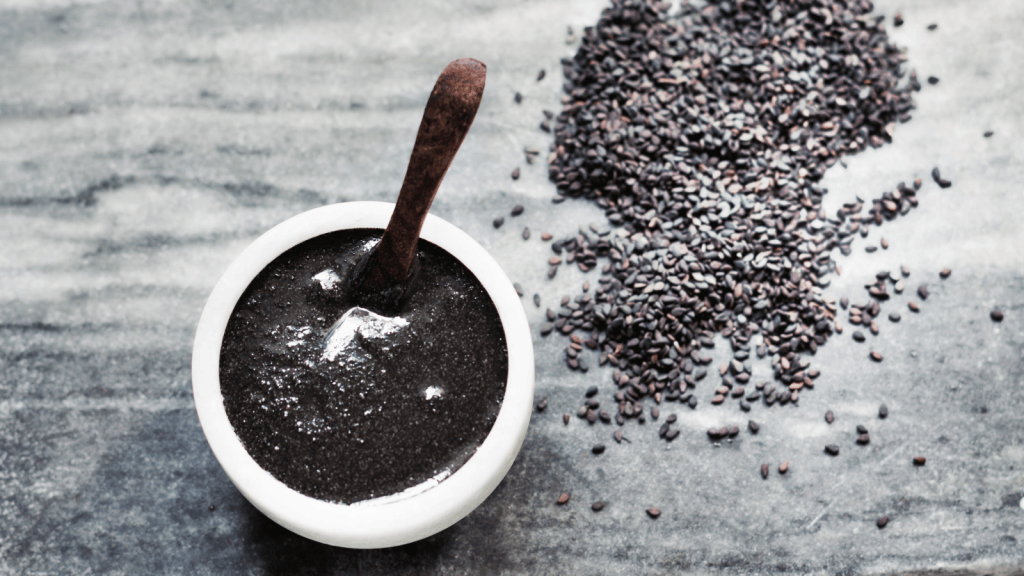 Black sesame seeds, a nutrient-rich superfood (Image source: Pixabay)
Black sesame, commonly known as kala til, has been a part of the traditional Indian diet for many years, yet its nutritional value often goes unnoticed. These tiny seeds are a good source of healthy fats, plant-based protein, fibre and essential minerals such as calcium, magnesium, iron and zinc.
Constituents of black sesame seeds:
Dr Seema Dhir, unit head & Sr Consultant – internal medicine, Artemis Hospitals says, “Black sesame seeds contain natural plant compounds including antioxidants that help protect cells from oxidative stress. Other constituents include unsaturated fats, which, when replacing less healthy fats in the diet, may benefit heart health. They also contain fibre, which may promote digestion and better blood sugar control when consumed with balanced meals.”
Adding, Meenakshi Aggarwal, clinical dietician at MAIINS, Marengo Asia Hospitals, Gurugram, tells indianexpress.com, “Black sesame also contains lignans, which have antioxidant properties.”
DISCLAIMER: This article is based on information from the public domain and/or the experts we spoke to. Always consult your health practitioner before starting any routine.
However, these cannot make up for a bad diet and eating a lot doesn’t necessarily give you more health benefits. Meenakshi mentions that according to the Indian Food Composition Tables (IFCT), 100 g of black sesame seeds provides approximately 506 kcal, 19.2 g protein, and 17.2 g dietary fibre.
Dr Dhir also warns that the seeds are high in calories, so portion size is important, especially for people watching their total calories. “One of the easiest ways to add black sesame to your diet is by sprinkling it over salads, veggies, yoghurt, soups or homemade snacks,” she adds.
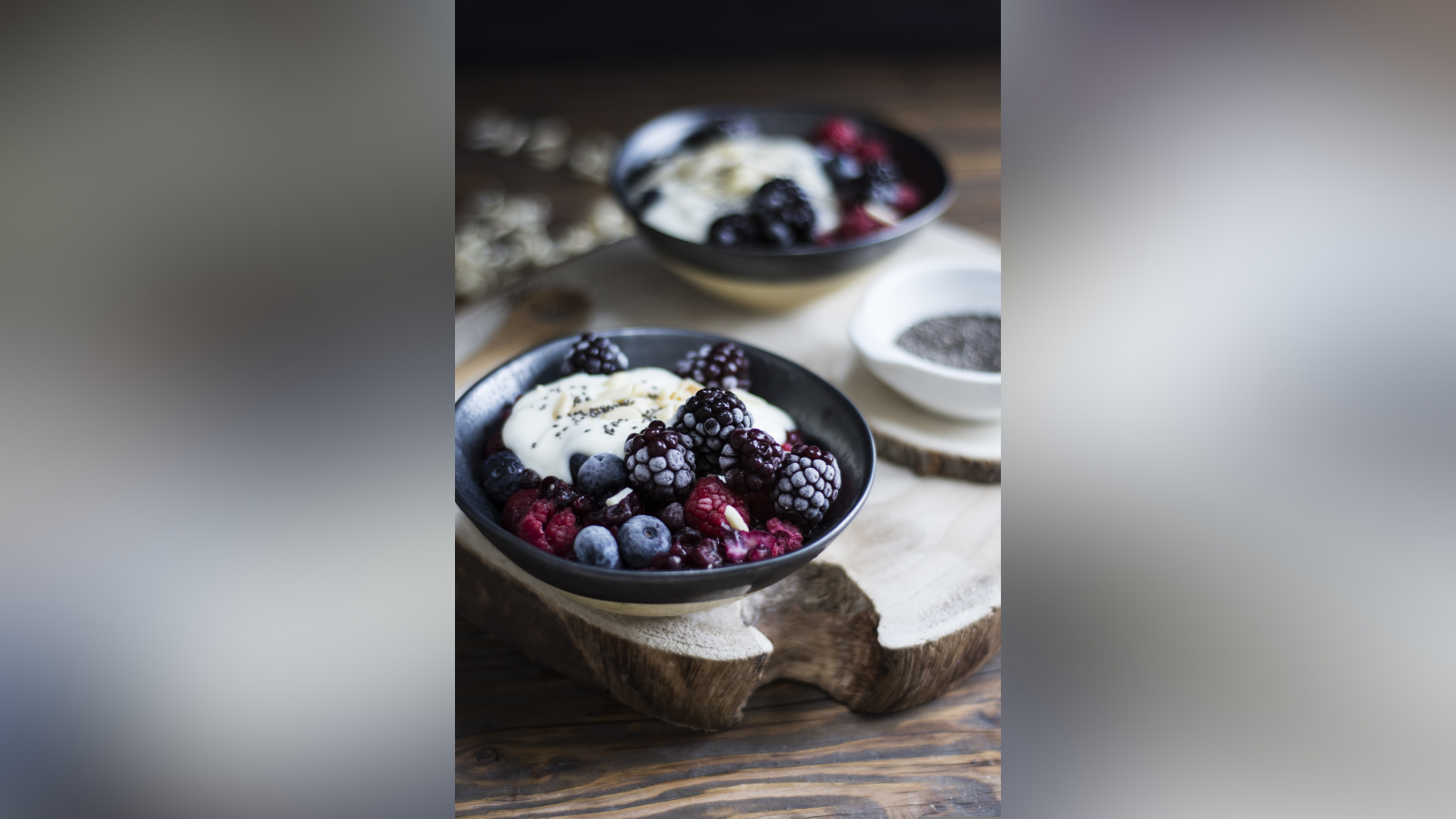 Black sesame seeds in a bowl of yoghurt
How they support health
Dietician Diksha Gulati, head-nutritionist at PB Health, explains the health benefits of black sesame seeds:
A practical serving is 1–2 tablespoons (10–20 g) daily, added to yoghurt, salads, chutneys, smoothies or Indian dishes.
She also mentions, “They can be a valuable addition to a healthy diet, but no single food is a magic solution. Their benefits come from consistent inclusion within an overall nutritious lifestyle.”
DISCLAIMER: This article is based on information from the public domain and/or the experts we spoke to. Always consult your health practitioner before starting any routine.


