


📣 For more lifestyle news, click here to join our WhatsApp Channel and also follow us on Instagram
© IE Online Media Services Pvt Ltd
Tags:


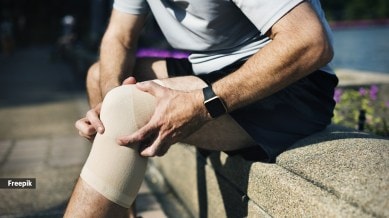
As temperatures drop, many people naturally start drinking more tea and coffee to stay warm. But this winter habit may have unexpected effects on joint comfort, according to Dr Dushyant Chouhan, orthopaedic and sports injury surgeon at AIIMS Raipur.
In an Instagram post, he explains why moderation matters and how excess caffeine, combined with cold weather, can affect joint health.

Dr Chouhan highlights a surprising connection between popular hot beverages and bone health. “Tea is hot, but it can ‘cool down’ your bones. It may sound a little odd, but let me explain the fact behind it,” he says in Hindi.
With winter leading many people to increase their tea or coffee intake, he notes that the cartilage inside the knees can become more vulnerable. According to him, “the cartilage inside your knees, the layer between two bones, can dry out. This increases stiffness in the joint and causes more pain when the bones rub together.”
He also points out that winter dehydration is both common and often unnoticed. While tea and coffee may feel comforting, they can’t replace the fluids the body needs for lubrication and joint function. “So yes, you can enjoy your tea, but it’s essential to drink enough water alongside it,” Dr Chouhan says. He adds that “staying hydrated helps prevent dehydration, which is common in winter, and is vital for maintaining healthy joints.”
To help people better understand this lesser-known aspect of winter joint care, he reminds readers that “people often don’t realise that what we drink can affect our bones and joints. Simple measures like keeping water intake adequate while enjoying hot beverages can make a significant difference.”
Dr P C Jagadish, orthopaedic trauma and robotic joint replacement surgeon, tells indianexpress.com, “Cartilage is made up of a high percentage of water and relies on adequate hydration to maintain its elasticity, shock absorption capacity and smooth surface. When the body is dehydrated, cartilage loses some of its internal water content, which can reduce its ability to cushion the joints and may increase friction during movement.”
He adds that caffeine itself does not directly damage cartilage, “but it has a mild diuretic effect, which can contribute to increased fluid loss in individuals who are already consuming limited water.”
In winter, he mentions that people often replace water with tea or coffee without realising their overall water intake has gone down, which is where the real risk lies. “The concern is less about caffeine acting on the joint and more about chronic low-grade dehydration affecting the lubrication and nutrient diffusion within the cartilage.”
For individuals who drink several cups of chai or coffee a day, Dr Jagadish says the general guidance is to maintain a total daily fluid intake of 2 to 2.5 litres, depending on body weight and activity level. “Each caffeinated beverage should ideally be balanced with an additional glass of plain water to maintain adequate hydration.”
Hydration is only one part of winter joint management. Dr Jagadish recommends, “Regular mobility exercises, maintaining muscle strength around the joints, avoiding long periods of sitting, and keeping the body warm all contribute to better joint health.”
He adds that people with osteoarthritis often benefit from low-impact activities such as walking, cycling, or water-based exercises, along with adequate intake of vitamin D, calcium, and omega-3-rich foods. “Together, these measures help preserve cartilage function and reduce the discomfort that typically increases in colder months.”
DISCLAIMER: This article is based on information from the public domain and/or the experts we spoke to. Always consult your health practitioner before starting any routine.


