


Journalism of Courage
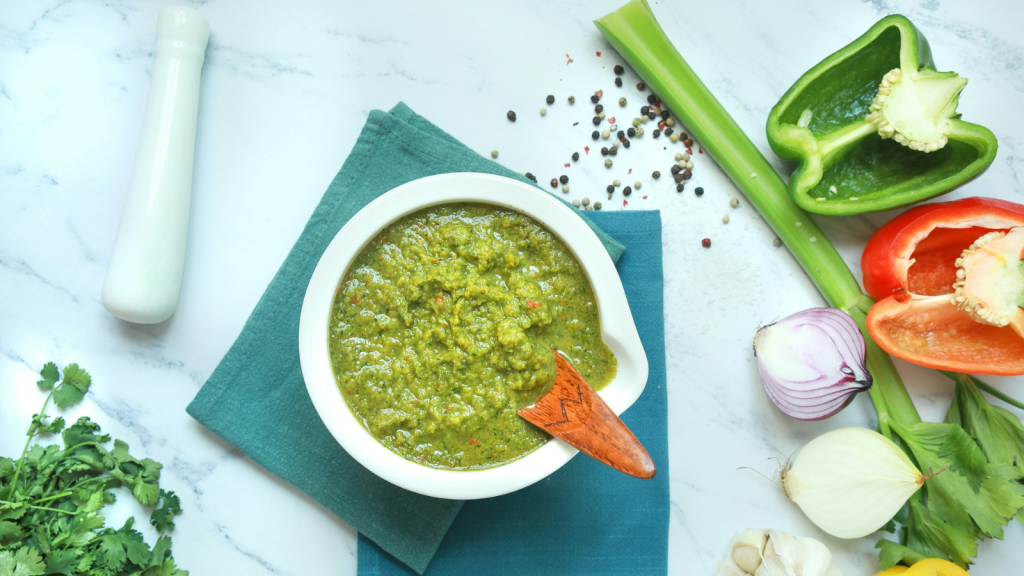 Restaurant-style chutneys are known for their smooth texture and balanced flavours, but recreating them at home can be tricky (Image Source: Unsplash)
There’s something special about the restaurant-style chutney that makes us crave more: whether it’s coconut chutney paired with dosas or green chutney that adds a kick to kebabs. You may have looked up the recipe and followed it diligently, yet have failed to achieve the same taste. So, what are we missing? Read on to know as chefs explain what exactly goes into that restaurant-style dip.
Talking about the green chutney, Vibhanshu Mishra, founder and CEO of Banaraswala – Ghat Se Ghar Tak, says, “The difference arises from the coriander-to-mint ratio and moisture control at the time of grinding to balancing acidity, spice and seasoning. It is also important to prevent bitterness and maintain that bright green colour.”
DISCLAIMER: This article is based on information from the public domain and/or the experts we spoke to.
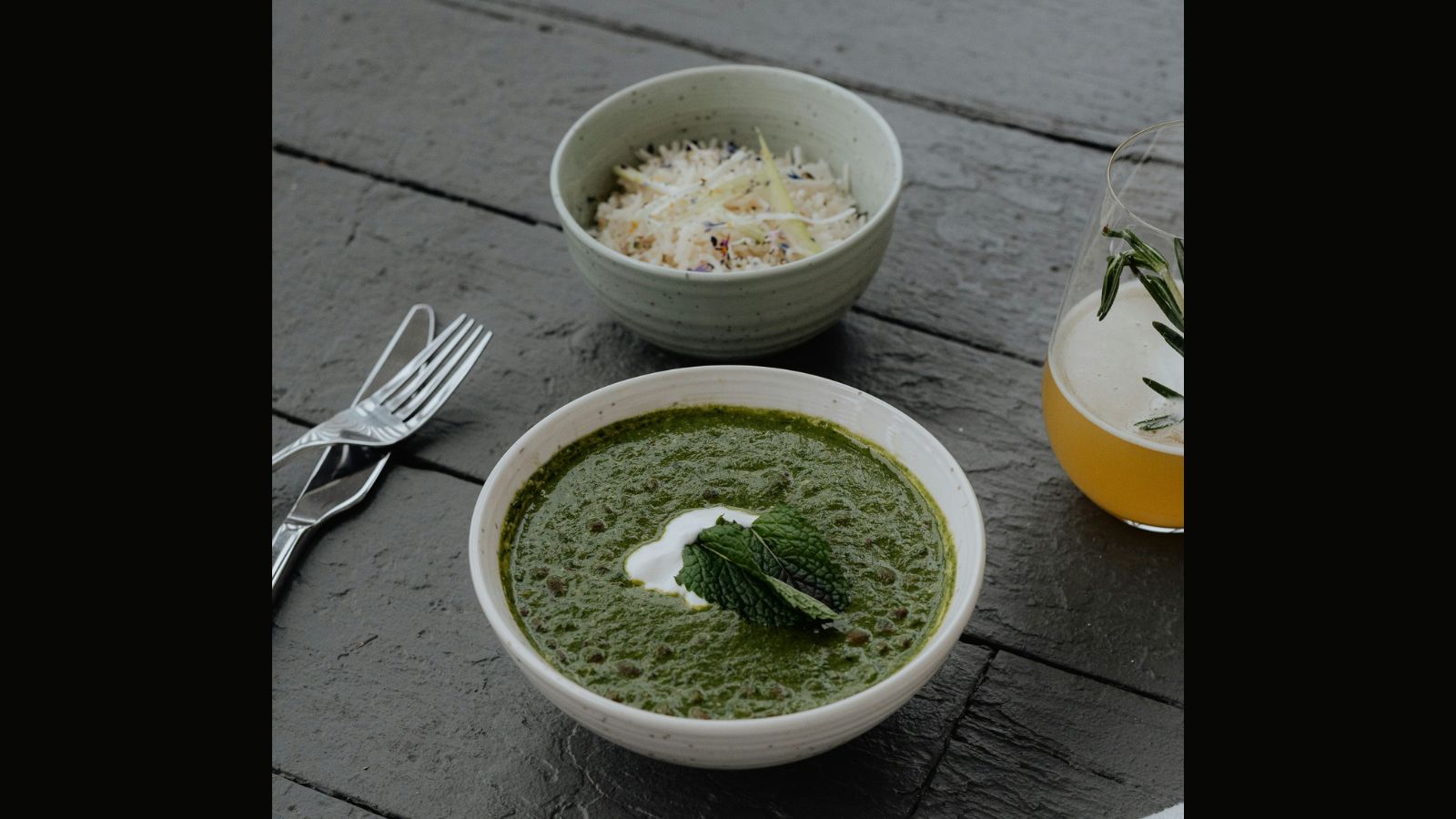 From ingredient proportions to grinding and tempering, small techniques can make a big difference to homemade chutney (Image Source: Unsplash)
Chef Shailesh Acharya, corporate chef at The House of Makeba, reveals the main reason why homemade chutney falls flat. “It’s because of tired herbs. People use coriander and mint that have sat around, and they strip out the stems, which carry a lot of flavour.”
So what do restaurants do differently?
Chef Shailesh says, “We start with very fresh, sometimes chilled herbs, use roughly three parts coriander to one part mint, and add a touch of raw mango or amchur for tang. We grind fast with minimal chilled water, sometimes just ice, so the volatile green notes don’t get lost to friction heat. The seasoning needs to be bolder than most people expect: proper salt, a little sugar or jaggery, lemon added right at the end, and a quick tempering or roasted cumin for depth.”
Vibhanshu shares the detailed steps:
Ingredients
Method
Some restaurant tricks
DISCLAIMER: This article is based on information from the public domain and/or the experts we spoke to.


