





The Spices Board of India is inspecting the plants of major spice brands MDH and Everest to ensure they meet quality standards for exports.
Efforts are underway to improve compliance and prevent future rejections of Indian spices in global markets. One key area being looked at is food traceability, which helps track the journey of spices from farm to table.

This comes after several countries including Hong Kong, Singapore and Nepal recalled some of the spices manufactured by well-known Indian spice brands last month.
A senior Commerce and Industry Ministry official said, “In 2023-24, 99.8 percent of around 1.4 million tonnes of spices have met quality requirements of different countries, and only 0.2 percent of all consignments were non-compliant. On the other hand, 0.73 percent of imported food consignments were non-compliant. There is a drastic decline in alerts on Indian food commodities exports to the European Union on account of EtO (ethylene oxide).”
Another official clarified that EtO is a very normal fumigant which is used in food and pharma products, the report added, and if aeration is done properly, EtO goes out of the system and does not pose a problem. However, if it is not properly aerated, it reacts with the chlorine in food particles to form 2-Chloroethanol, the official stated.
Compliance issues at MDH and Everest plants
Ranjeet Vikram Singh, founder of Masaledani, says, “During the inspections by the Spices Board of India, several compliance issues were identified at the MDH and Everest plants. According to media reports, these problems included the use of non-approved sterilisation methods, poor hygiene practices, inadequate storage facilities, and non-compliance with labelling regulations.”
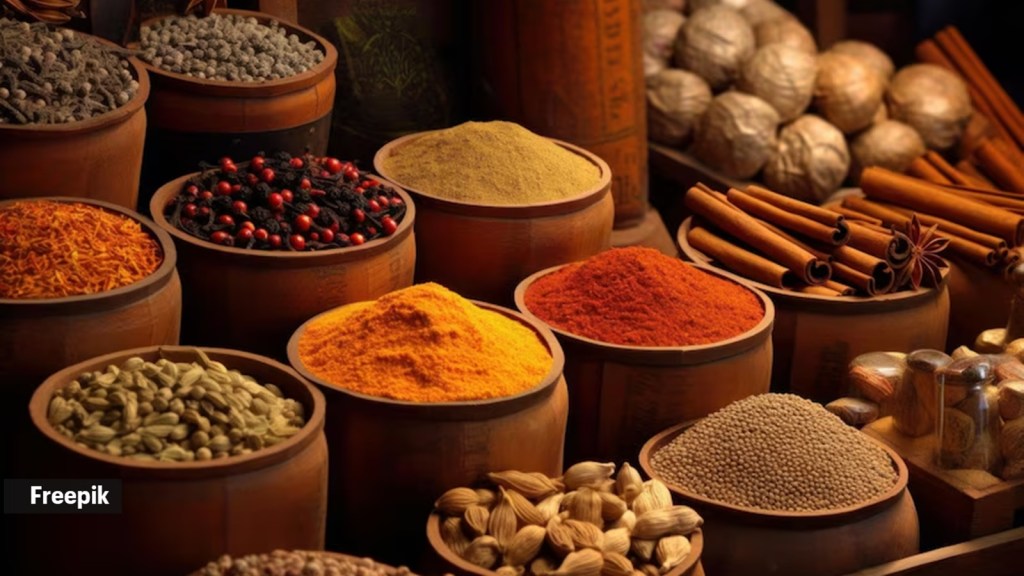
 An official clarified that ethylene oxide is a very normal fumigant which is used in food and pharma products (Source: Freepik)
The aim of these inspections, he informs, is to ensure that companies adhere to strict food safety standards, which involve proper documentation of the supply chain, quality control during production, and conformity with permissible levels of contaminants and residues. Ensuring compliance is crucial for maintaining the safety and quality of spices, which are widely consumed and exported.
Food traceability in India
“Food traceability is the process of tracking the movement of food products through different stages of production, processing, and distribution. In India, the Food Safety and Standards Authority of India (FSSAI) governs these regulations. Traceability is essential for identifying sources of contamination, minimising losses during recalls, and maintaining consumer trust,” he says.
However, he admits that implementing traceability in the spice sector is difficult due to the involvement of so many small-scale producers and intermediaries. “This fragmented supply chain makes it difficult to build standardised tracking methods and maintain traceability compliance.”
Key areas for improvement in India’s food traceability system
To reduce rejections of spice exports and improve the overall quality of spices, India’s food traceability system needs several improvements:
Standardisation: Implement industry-wide guidelines and protocols on traceability to ensure consistency across the supply chain.
Technological Integration: Utilise blockchain technology for transparency and real-time monitoring of the supply chain, providing an immutable record of transactions
Training and Awareness: Educate farmers and processors on the benefits of traceability and equip them with the necessary tools and resources to implement effective tracking systems.
Regulatory Oversight: Strengthen enforcement of traceability regulations to ensure compliance and address any gaps in the existing system.
Infrastructure Development: Invest in proper infrastructure to support comprehensive tracking of spices, including advanced storage and transportation facilities.
Singh asserts, “By implementing these, India can significantly improve the traceability and quality of spices, ensuring compliance with global standards and reducing the risk of export rejections. This will help maintain the reputation of India’s spice industry for producing high-quality products and ensure the safety and satisfaction of consumers worldwide.”