


Journalism of Courage
 Sonam Bajwa opens up about her love for white butter (Photo: Sonam Bajwa/Instagram)
Highlighting her Punjabi roots, actor Sonam Bajwa recently revealed that parathas were a constant feature at her family’s breakfast table. “All I ate was paratha. Every single day of my life, breakfast was paratha. Like Mondays, aloo paratha, Tuesdays wass mooli paratha, Wednesdays was papite ka paratha, then matar paratha, dal paratha…you name it…Punjabis are very innovative people…they will make paratha out of everything,” she said.
During the conversation with singer and actor Sophie Choudry on Famously Fit with Sophie talk show on Amazon MX Player, Bajwa added, “I do enjoy white makkhan and desi ghee. I love that, and I have always enjoyed that.” Sophie chipped in, “Yes, it is very good for you.”
DISCLAIMER: This article is based on information from the public domain and/or the experts we spoke to. Always consult your health practitioner before starting any routine.
To find out if it’s truly ‘very good’, we reached out to an expert.
Dt. Amreen Sheikh, chief dietitian at KIMS Hospitals, Thane, said white makkhan, especially when made at home, is a natural dairy product with minimal processing. “It has healthy fats, fat-soluble vitamins like A and D, and can give quick energy. In small amounts, it can fit into a balanced diet. The problem arises when it is eaten in excess, as it is still high in saturated fat and calories. So yes, it can be healthy, but only when consumed mindfully,” said Sheikh.
The main difference lies in how it is made. “Homemade white makkhan is churned from curd and usually lacks additives, preservatives, or excessive salt. Packaged butter, however, may have added sodium and undergoes more processing. This makes traditional makkhan feel lighter and easier to digest for some. Still, nutritionally, both are fats, so the amount matters more than the source,” described Sheikh.
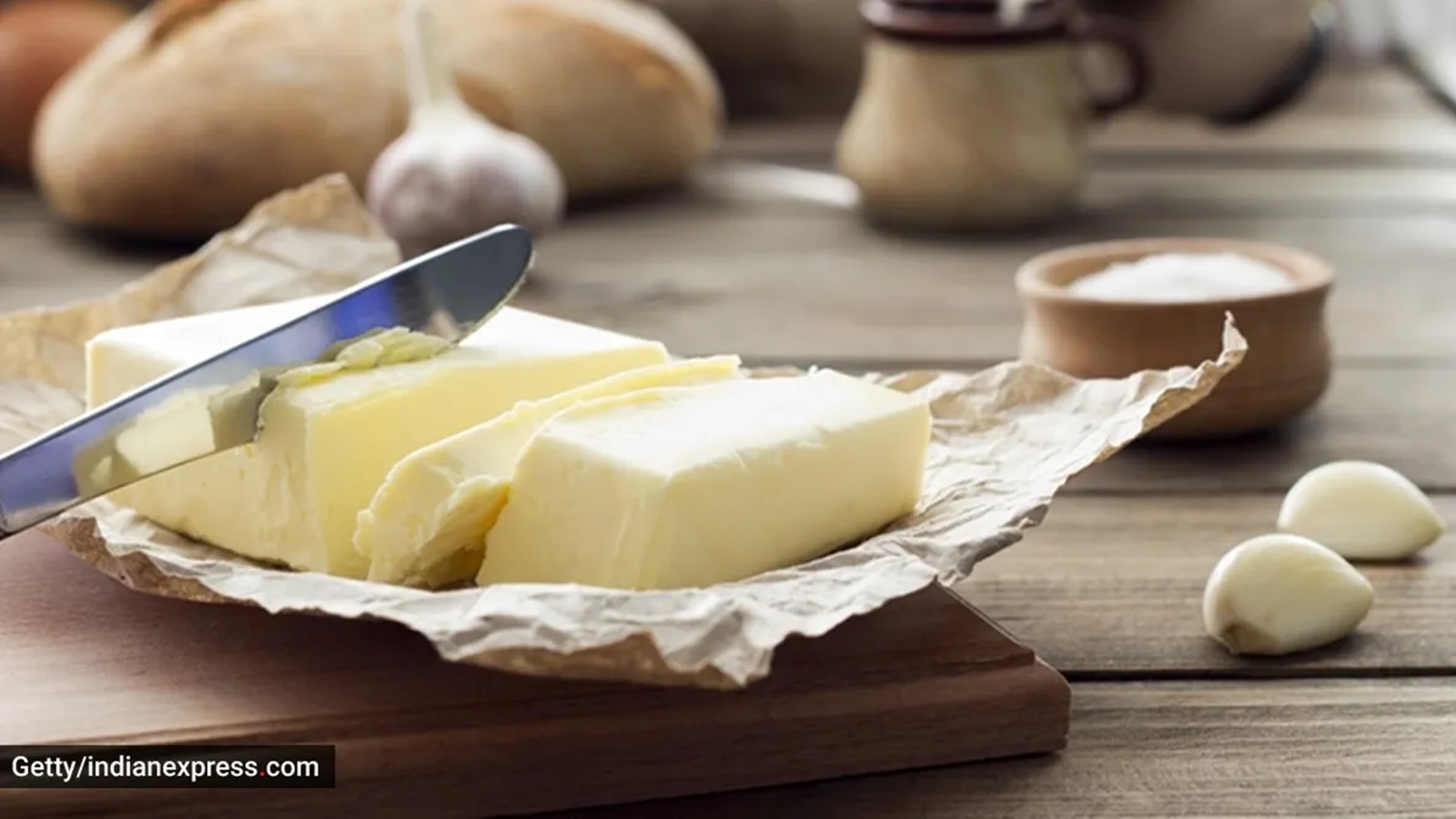 Do you like white butter? (Photo: Getty Images/Thinkstock)
It can, as long as you manage portion sizes. “A small dollop with meals like paratha or roti is unlikely to harm an otherwise active person. It may even help with feeling full, which can prevent overeating later. Problems occur when you consume it daily in excess or combine it with high-fat meals. Balance throughout the day is essential.”
Using it occasionally or limiting it to one small serving a day works well. “Pairing it with simple, home-cooked meals instead of processed or fried foods helps maintain overall balance. Paying attention to the body and avoiding overindulgence is what transforms it into a nourishing addition instead of an unnecessary overload.”
DISCLAIMER: This article is based on information from the public domain and/or the experts we spoke to. Always consult your health practitioner before starting any routine.


