


Journalism of Courage
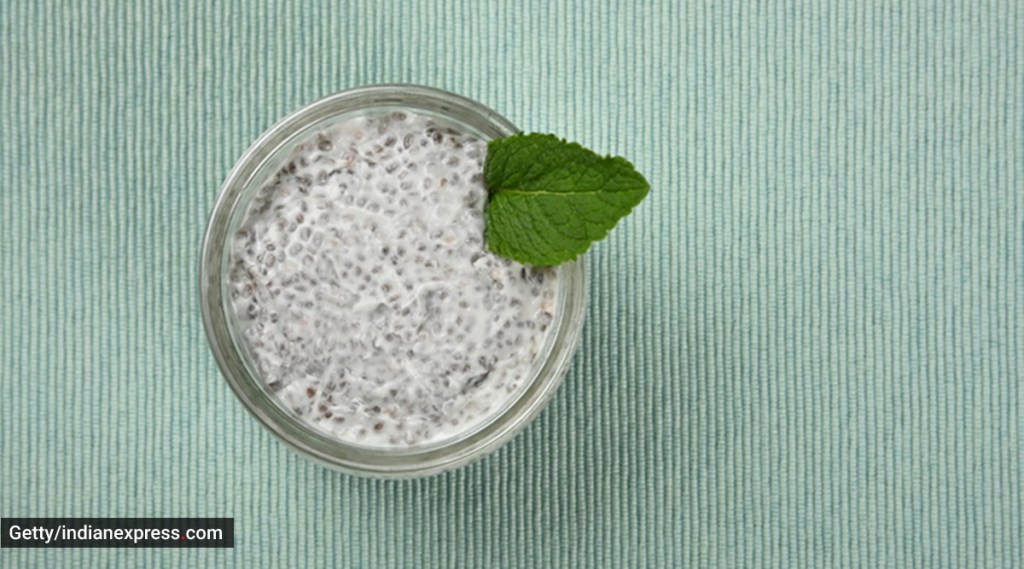 These little protein bombs are packed with about 3.5 gm of protein per two tablespoon. (Photo: Getty/Thinkstock)
Around the world, many people are turning to plant-based food in order to make more sustainable lifestyle choices, which benefit their health, too.
According to Shikha Dwivedi — Msc. clinical nutrition and dietetics — in-house nutritionist at OZiva, plant-based proteins offer less risk of contracting any disease as compared to animal-based sources. “They are also more effective in managing blood sugar and lowering cholesterol. Moreover, plant-based sources are more impactful for people who wish to lose weight,” she says.
Buy Now | Our best subscription plan now has a special price
One of the greatest benefits of plant-based proteins, however, is that they have a “lower detrimental effect on the environment due to the lower carbon footprint”, the expert adds. These proteins are more easily broken down and digested by the body in much less time as compared to animal proteins.
What are the other health benefits?
Dwivedi explains that plant-based proteins are “endowed with a wide spectrum of essential nutrients”, such as vitamins, fibre, minerals, etc., which oversee the “all-round development of the body”.
“If we go by a pound-for-pound detail, plant-based proteins pack high nutrients amid fewer calories. They are loaded with essential fibre, whereas it is totally absent in animal protein.”
If you are considering adding them to your everyday diet, here is a checklist for you:
* Chia seeds: These little protein bombs are packed with about 3.5 gm of protein per two tablespoon. They are also a great source of calcium, zinc, and iron.
* Quinoa: Quinoa is dubbed as the absolute protein. While most plant-based foods have lesser amounts of the nine essential amino acids, quinoa is replete with a high amount of amino acids and offers 8 gm of protein in every cup.
 These proteins are more easily broken down and digested by the body. (Photo: Getty/Thinkstock)
* Hemp seeds: Hemp seeds pack about 6.5 gm of protein per two tablespoons and can be consumed in a variety of ways as they are versatile. You can add them to salads, smoothies and vegetable bowls.
* Oats: Whole rolled oats are a wonderful source of protein and provide up to 11 gm of protein per cup. They are also a great source of carbohydrates.
* Broccoli: One of the most protein-dense vegetables, a cup of broccoli extends around 4 gm of solid protein.
* Lentils: While most beans are loaded with proteins, lentils bag the highest place with about 18 gm of protein per cup.
* Plant-based daily supplements: You can add a plant-based supplement to your daily diet along with regular meals to get the maximum benefit.
📣 For more lifestyle news, follow us on Instagram | Twitter | Facebook and don’t miss out on the latest updates!


