


Journalism of Courage
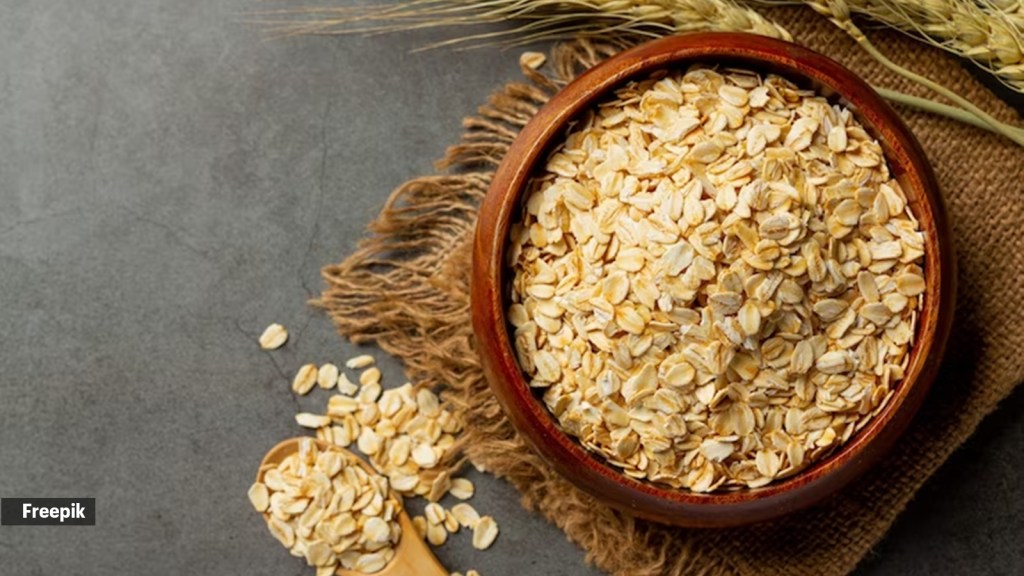 Dr Shuchin Bajaj, general physician and founder-director, Ujala Cygnus Group of Hospitals explained to us the nutritional prowess of oats. (Source: Freepik)
In the realm of wholesome nutrition, few ingredients stand as prominently as oats, offering a versatile and nutritious addition to our daily diets. Beyond being a breakfast staple, oats have gained recognition for their exceptional health benefits, becoming a go-to choice for those seeking a nutrient-rich and heart-friendly food.
From promoting heart health to aiding weight management, oats offer a wealth of advantages that make them a valuable inclusion in a balanced and nourishing lifestyle. Dr Shuchin Bajaj, general physician and founder-director, Ujala Cygnus Group of Hospitals explained to us the nutritional prowess of oats.
The nutritional profile of 100 grams of raw oats is as follows, according to Dr Bajaj.
– Calories: 389 kcal
– Carbohydrates: 66.27 grams
– Dietary Fibre: 10.6 grams
– Sugars: 0.99 grams
– Protein: 16.89 grams
– Fat: 6.9 grams
– Vitamins and Minerals: Oats contain various vitamins and minerals, including B-vitamins (B1, B2, B3, B5, B6), iron, magnesium, phosphorus, zinc, copper, manganese, and selenium.
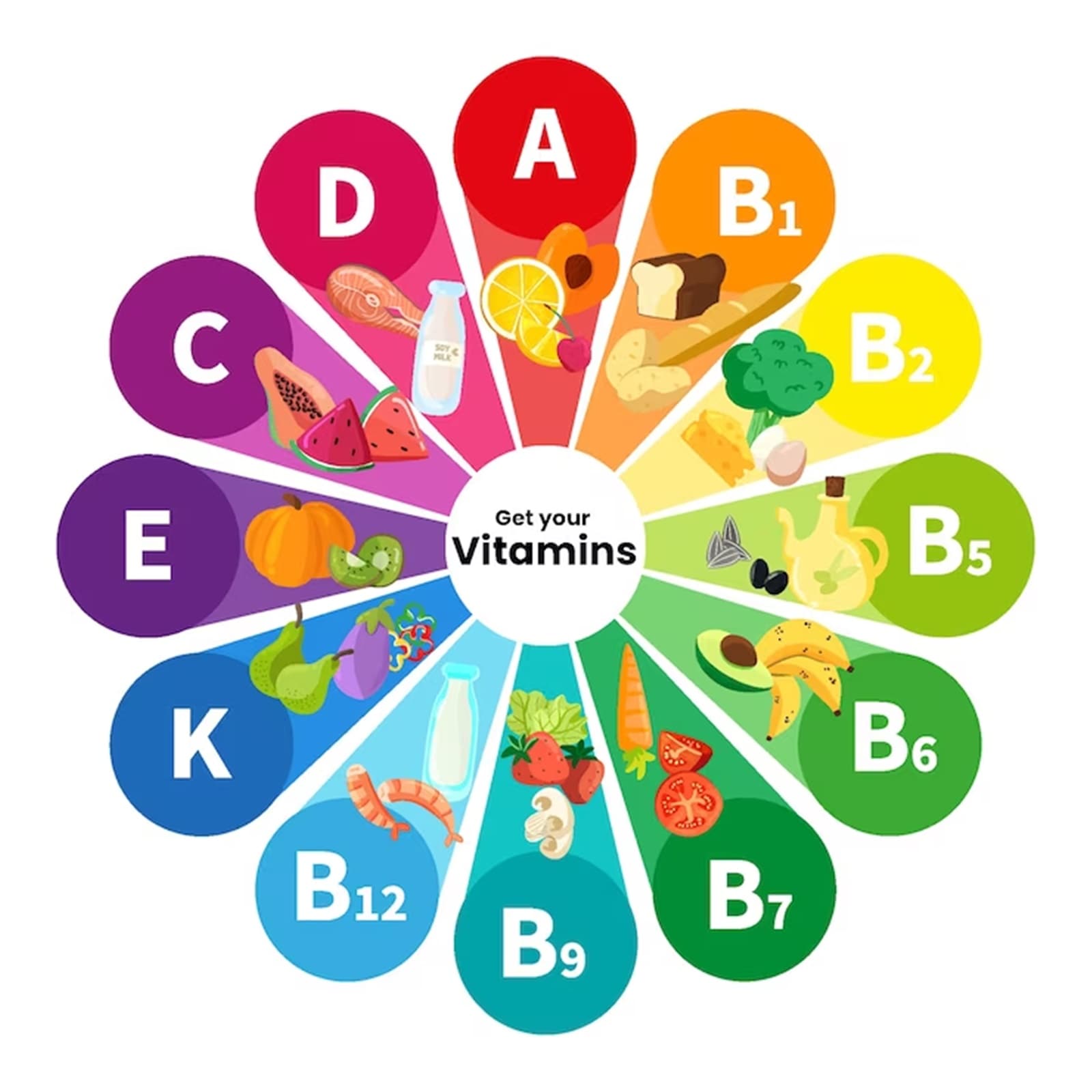 Oats contain various vitamins and minerals (Source: Freepik)
1. Heart health: Oats are rich in beta-glucans, a type of soluble fibre that can help lower cholesterol levels, thus promoting heart health.
2. Blood sugar control: The soluble fibre in oats helps regulate blood sugar levels, making it a suitable choice for individuals with diabetes.
3. Digestive health: Oats’ fibre content supports healthy digestion and can alleviate constipation. It also promotes a feeling of fullness, aiding in weight management.
4. Weight management: Oats can contribute to weight loss and management due to their high fibre content, which helps control appetite.
5. Nutrient absorption: Oats contain various vitamins and minerals that support overall health, including B-vitamins essential for energy metabolism.
6. Antioxidants: Oats contain antioxidants, including avenanthramides, which have anti-inflammatory and anti-itching properties.
Individuals with diabetes can consume oats as they have a low glycaemic index, and their soluble fibre content can help stabilise blood sugar levels.
Oats can be beneficial for pregnant women due to their nutrient content, including B-vitamins and iron. However, moderation is advised, warned Dr Bajaj.
 How much oats should pregnant women have? (Source: Getty Images/Thinkstock)
– Individuals with gluten sensitivity should choose gluten-free oats.
– Oats contain natural sugars, but the overall sugar content is relatively low.
– Overconsumption may lead to excess calorie intake, so portion control is important.
Myth 1: Oats alone can make you lose weight.
Fact: Oats can be part of a healthy diet for weight management, but overall lifestyle factors matter.
Myth: Oats can cure all digestive issues.
Fact: While oats promote digestive health, they are not a cure-all for digestive problems.


