4 min read
📣 For more lifestyle news, click here to join our WhatsApp Channel and also follow us on Instagram
© IE Online Media Services Pvt Ltd



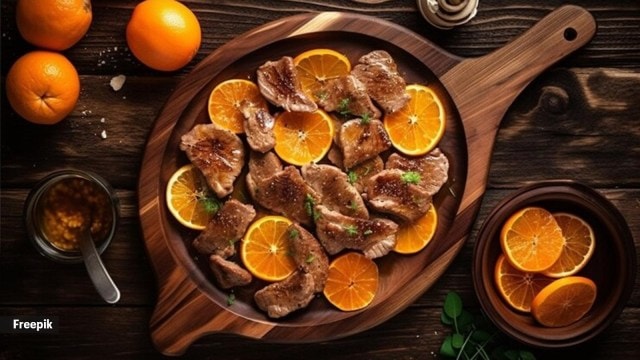 Would you try this recipe?
 In winters, our fruit baskets overflow with the vibrant hues of fresh oranges. How do you typically enjoy this winter delight? Some relish it as is a refreshing glass of orange juice, while others embrace it in their fruit salads with a sprinkle of chaat masala.
But have you considered making a full meal with oranges? With a flurry of tourists and celebrities alike jetting off to Rajasthan, a dish called ‘Narangi Maas’ has captivated taste buds. Intrigued by its unique flavour, we decided to talk to chefs to know more about the Rajasthani delicacy.
Chef Aditi Dixit, CYK Hospitalities, tells indianexpress.com that Narangi Maas has an intriguing tale. “Renowned for its unique culinary traditions, the Rajput dynasty in Rajasthan is known for its laal maas, safed maas, and jungli maas. While jungli maas is produced with a limited number of ingredients and is intended for outdoor cooking, laal maas is a spicy lamb dish flavoured with Mathania chilli. In contrast to this, the less well-known but no less magnificent safed maas was made in the royal kitchens with unusual ingredients,” the chef said.
In a similar vein, Narangi Maas originated from the royal household. “First of all, the word “narangi” means oranges, and the word “maas” means meat. Therefore, this Rajasthani meat recipe calls for the use of freshly squeezed orange juice. In contrast to other Rajasthani meat recipes, this dish is relatively new, according to the Royal Family of H.H. Raja Digvijaya Singh of Sailana. Raja Digvijaya Singh’s palace was home to numerous orange trees that produced an abundance of fruit. In order to prevent wastage, the royal chefs started using these oranges in their recipes, giving birth to the very unique Narangi Maas,” she added.
The dish was an instant hit and was quickly included into Rajasthani royal cuisine.
Here’s a recipe of Narangi Maas, courtesy chef Shipra Khanna:
 The word “narangi” means oranges, and the word “maas” means meat. (Source: Freepik)
– 500g mutton, cubed
– 2 oranges (juiced and zested)
– 1 cup yogurt
– 2 onions, finely sliced
– 2 tomatoes, pureed
– 2 tbsp ghee (clarified butter)
– 1 tsp cumin seeds
– 1 tsp ginger-garlic paste
– 1 tsp red chili powder
– 1 tsp turmeric powder
– Salt to taste
– Fresh coriander for garnish
1. Marinate mutton with yogurt, orange juice, zest, and salt. Let it sit for at least 2 hours.
2. In a pan, heat ghee and add cumin seeds. Once they splutter, add sliced onions and sauté until golden brown.
3. Add ginger-garlic paste, and cook until the raw smell disappears.
4. Stir in the marinated mutton and cook until the meat is browned.
5. Add pureed tomatoes, red chili powder, and turmeric. Cook until the oil separates.
6. Add water, cover, and simmer until the mutton is tender.
7. Garnish with fresh coriander before serving.
According to chef Khanna, the addition of oranges not only imparts a distinct aroma but also contributes to the dish’s nutritional profile, providing vitamin C and antioxidants. This infusion sets Narangi Maas apart from regular cooked mutton, offering a delightful twist to traditional recipes.