3 min readNew DelhiMay 15, 2025 12:28 PM IST
First published on: May 5, 2025 at 05:27 PM IST
The soft and syrup-soaked Pantua is symptomatic of the Bengali palate’s innate love for sweetness. But more than being a rich dessert, it’s also a nostalgic bite of history, still served during pujo, Bengali weddings, and celebrations.
Although often compared to the more widely known Gulab Jamun, Pantua is distinct in its own right, explained food historian and chef Sadaf Hussain, due to the ingredients used and its preparation method.

The origins of Pantua can be traced back to the 12th-century Sanskrit text Manasollasa, compiled by King Someshvara III, which mentions a sweet resembling modern-day Pantua, Hussain explained. This early version was made from rice flour and cottage cheese, deep-fried in ghee, and then soaked in sugar syrup. Over time, the recipe evolved, with wheat flour replacing rice flour in Bengal, leading to the Pantua we know today.
The term “Pantua” is believed to have linguistic roots in Bengali. Some scholars suggest it derives from “Panitua” or “Panitoba,” with “toba” meaning “to sink,” referencing the sweets’ tendency to settle at the bottom of the syrup.
Pantua vs Gulab Jamun: What is the difference?
Unlike gulab jamun, which is typically made from khoya (dried whole milk), pantua is made from chhena (fresh, moist curdled milk) and semolina, giving it a distinct texture and flavour, Hussain explained.
Additionally, Pantua is darker in colour and has a more caramelised flavour with a dense texture, while gulab jamun is typically lighter and soaked in a more delicate syrup and has a spongy texture as it is hollow on the inside.
The dessert symbolises festivity and joy in Bengal, often served during significant occasions, he explained.
Gulab jamun and Pantua are not the same (Source: Getty Images/Thinkstock)
How is Pantua prepared?
The process of making Pantua involves kneading chhena and semolina into a smooth dough, which is then shaped into small, round balls.
Hussain explained that these balls are then deep-fried until they attain a rich, dark brown colour. The frying process gives Pantua a slightly crispy exterior, while the inside remains soft and moist.
After frying, the Pantuas are soaked in a sugar syrup flavoured with cardamom, rose water, or saffron, which allows them to absorb the sweetness and aroma, making them incredibly flavourful.
What are the varieties of Pantua?
Over time, various regional and household variations of Pantua have emerged.
Some newer versions use a filling of nuts or dried fruits, while others may incorporate flavors like saffron or rose essence into the syrup.
Another popular variant is the “Ledikeni,” a cylindrical version of Pantua named after Lady Canning, the wife of the Governor-General of India during British rule.
However, the most famous is the traditional version of Pantua, which comes from Sirajganj in Bengal, Hussain said, and doesn’t have a hollow centre.
For those looking to explore Bengali cuisine or simply indulge in a delightful dessert, Pantua is a must-try. Its deep-rooted history and irresistible taste make it a timeless classic in the world of Indian sweets.

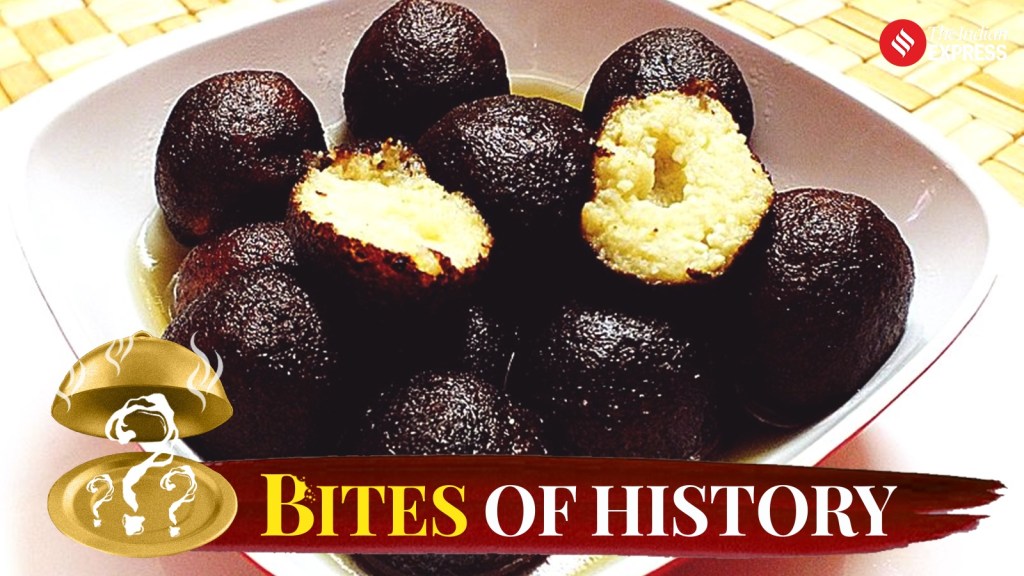 Discover the rich flavors and cultural significance of Pantua, a beloved Bengali dessert. (Source: Wikimedia Commons)

 Gulab jamun and Pantua are not the same (Source: Getty Images/Thinkstock)

 Share


