


Journalism of Courage
 Malaika Arora speaks about her food preferences (Photo: Malaika Arora/Instagram)
Malaika Arora, 52, recently shared that, unlike what people believe, she doesn’t eat salads. “I can’t eat salads. If you give me salad, I feel like I am eating air. I am sure a lot of people love salads, and they are great on the go…But I am a foodie. I live to eat, I love to eat. Food is such an integral part…food brings people together…I can’t be friends with people who do not enjoy food or eat food,” Malaika told Sophie Choudry on the second episode of Famously Fit with Sophie talk show on Amazon MX Player.
Detailing her diet, Malaika continued: “I eat a nice, good, healthy, balanced diet. I don’t skip meals. I try to eat as much home-cooked food as possible. Once a day, I have to eat rice, which is proper…rice, vegetables, lentils have to be my lunch…”
DISCLAIMER: This article is based on information from the public domain and/or the experts we spoke to. Always consult your health practitioner before starting any routine.
Dt Amreen Sheikh, chief dietitian, KIMS Hospitals, Thane, said salads are often viewed as the ideal for healthy eating, but they aren’t the only way to nourish the body. “Many people find them unsatisfying or hard to stick with over time. What truly matters is the overall balance of the diet. Getting enough fibre, vitamins, protein, and healthy fats through foods you enjoy is key. Cooked vegetables, dals, sabzis, and even lightly sautéed or steamed options can be just as nutritious and often easier to digest,” said Sheikh.
This combination is nutritionally balanced. “Rice provides energy from carbohydrates, lentils offer protein and fibre, and vegetables add essential vitamins and minerals. When portions are balanced and cooking methods are mindful, such as using moderate oil and salt, the result is a wholesome and satisfying meal. It also has the advantage of being familiar and sustainable, which is important for long-term health,” said Sheikh.
View this post on Instagram
While rice often gets a bad reputation, it doesn’t need to be avoided, mentioned Sheikh.
“The concern usually comes from the amount eaten and the lack of balance. When paired with protein like dal, curd, or pulses, along with fibre-rich vegetables, rice can fit into a healthy meal. Choosing appropriate portions and avoiding overly refined sides helps keep blood sugar levels steady and supports overall wellness.”
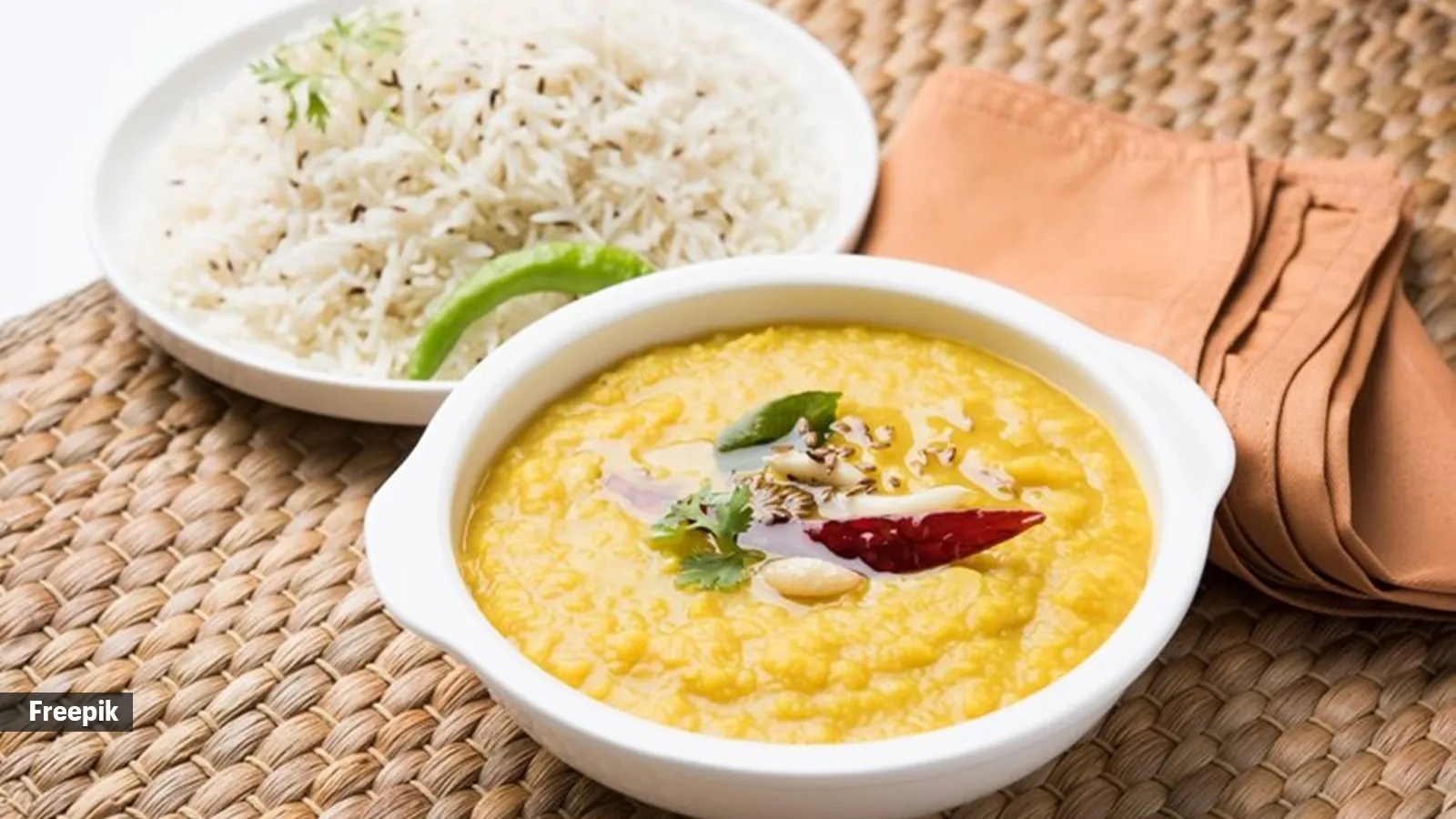 Do you have dal chawal? (Photo: Freepik)
Enjoyment is more important than many people realise.
“Diets that cut out favourite foods often don’t last. When meals are satisfying and culturally familiar, individuals are more likely to stick with them. Food also has a social and emotional aspect, it brings comfort and connection. A healthy diet should not feel like a punishment,” said Sheikh.
‘Salad’ has been trending on Google for the past 24 hours.
DISCLAIMER: This article is based on information from the public domain and/or the experts we spoke to. Always consult your health practitioner before starting any routine.


