


Journalism of Courage
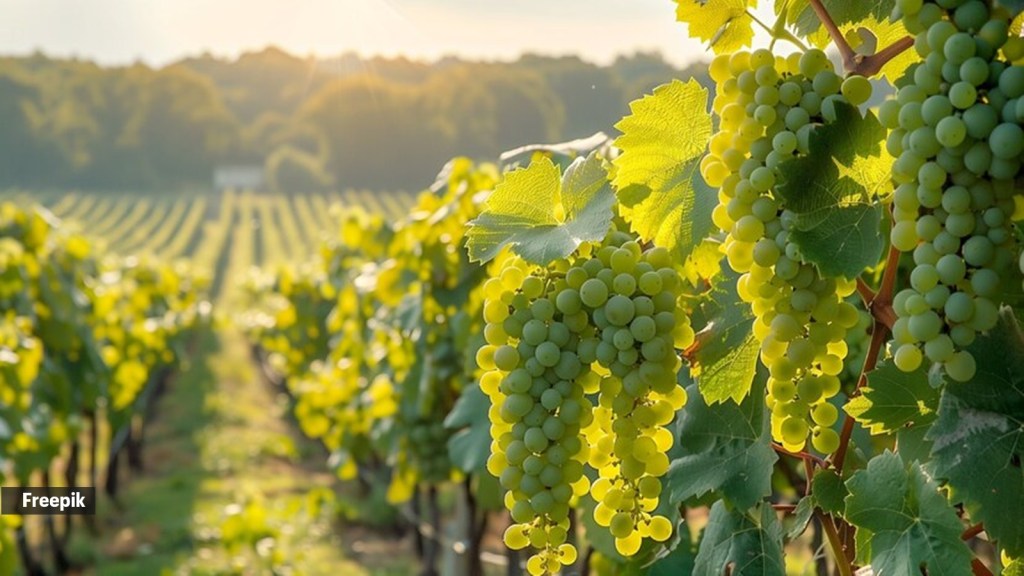 India's wine industry, still in its growth phase, faces a unique set of challenges (Source: Freepik)
Indians have been wondering why it feels “hotter than usual,” why “rains are too much,” or why “winters are delayed and harsher” for years now. The answer to all these questions — climate change — has been staring us in the face, but remains inadequately discussed and dealt with.
One of the seldom spoken about yet severe impacts of climate change is its effect on industries dependent on high-quality fruit production, particularly the wine industry. Rising temperatures and erratic weather are affecting grape yields and the quality of wines produced worldwide. Vineyards are now grappling with growing conditions that differ drastically from those they were once suited for. Emerging markets like India are hit too, owing to higher temperatures and irregular rainfall.
“Rising temperatures are causing fast ripening of grapes, leading to smaller sizes and higher sugar levels. Wines produced lacked freshness and complexity,” said Merwyn Alphonso, head of mixology at Yauatcha.
Indianexpress.com explored the risks Indian vineyards face, how they’re adapting and responding, and the innovative strategies being developed to protect the future of winemaking.
 Changing climate conditions have significantly influenced harvest timing, often leading to earlier picking dates to avoid over-ripening. (Source: Freepik)
Malay Rout, founder of the Wine and Spirits Club of India, shed light on how climate change affects Indian wine production. “In red, it’s mostly Cabernet Syrah, and in white, Sauvignon Blanc,” he said, explaining how these popular varieties are impacted differently.
“Syrah is a grape variety with thin skin. With rising temperatures, we have seen a decline in the quality of Syrah wine over the last five years; the consistency is not there,” said Rout. However, not all changes have been negative. Rout said, “Cabernet Sauvignon, the grape variety that wasn’t giving us good quality, has improved in the last few years due to climate change.”
Sachin Aggarwal, co-founder at Indian Wine Company, said, “Climate change is forcing earlier harvests to avoid over-ripening. This alters winemaking processes as by impacting sugar levels and acidity. This calls for adjustments in fermentation techniques and blending strategies, impacting the wine’s final profile.”
Dilip Kumar Rai, an environmentalist and botany expert from Sikkim, offered a scientific perspective, mentioning that rising temperatures are accelerating the growth cycle of grapevines, leading to earlier harvests and shortened ripening periods, which affect grape flavour and sugar content. “Wine grapes, particularly Vitis vinifera, are sensitive to even slight changes in temperature, impacting their phenolic development. Warmer conditions disrupt the acid-sugar balance, leading to wines that are overly alcoholic or lacking in complexity,” he said.
Yuvraj Bhardwaj, CEO and co-founder of Petonic and Plannex Recycling, spoke about the regional impacts: “In Nashik, grapes ripen earlier and contain less acidity and more sugar, affecting the wine’s flavour character and subtlety. Warmer winters have advanced the grape growing season by up to two weeks.”
Erratic rainfall patterns are compounding these issues. Rai warned that inconsistent precipitation causes water stress that directly impacts grape quality.
Filmmaker and photographer Arjun Swaminathan, who has documented agricultural issues, shared an observation: “I was speaking to a person from the Paval community, and he said the rain is not as it used to be. It doesn’t occur over three or four months anymore. Instead, it falls within a week, and all that rain just runs off.”
“Agriculture was always unpredictable, but with climate change, it has become extremely unpredictable. The stakes are much higher now, like a gamble,” Swaminathan said.
Bhardwaj pointed out specific challenges in Karnataka, saying, “Irregular rainfall is causing problems with water management, which results in uneven grape quality and lower yields. Prolonged flooding in the months before harvest season further increases the crop’s vulnerability to diseases like mildew.”
In response to climate challenges, the Indian wine industry is implementing various adaptation strategies, such as improved canopy management for better sunlight exposure and drip irrigation to optimise water use. “Some growers are also shifting planting schedules to align with new climate conditions, ensuring consistent grape quality,” Aggarwal said.
Indian vineyards have turned to heat-tolerant grape varietals, which uses efficient water-management processes, and innovative farming techniques to ensure consistency in quality.
 Looking ahead, the Indian wine industry faces both challenges and opportunities. (Source: Freepik)
The effects of climate change extend beyond grape cultivation. Nitin Vishwas, co-founder of Moonshine Meads, shared how climate change impacts honey production, which is essential for mead and honey-based wines. “In the 90s and 2000s, bees produced around 80-100 kg of honey annually, but now, due to global warming, it’s down to 25-30 kg.”
Vishwas elaborated on the consequences: “Climate change is a global issue, so no location is currently ideal. Bees migrate nine to 10 times a year, covering thousands of kilometres across North India, and the situation is the same everywhere.” This reduction in honey production has broader implications: “Less honey production leads to inflation, which results in reduced wine production.”
Looking ahead, the Indian wine industry faces both challenges and opportunities. Rai predicted that Indian wine regions “may experience an increase in mean annual temperatures by 2-3°C over the next 30-50 years,” with frequent heat waves. This could lead to shorter growing seasons and earlier harvests to avoid over-ripening. Bhardwaj said such a rise in temperatures may reduce wine quality and that unpredictable rainfall patterns further complicate water management.
Despite these issues, Aggarwal saw innovation potential, with vineyards adopting climate-resilient grape varieties and exploring new regions for viticulture. “Sustainability practices and increased consumer awareness may drive growth, enabling the sector to thrive despite ongoing climate challenges,” he said.
While the wine industry is adapting, experts like Swaminathan stress that climate change demands a fundamental shift in mindset and how we view resources, urging less exploitation and more sustainability. “We’ve become an impacted, extractive community, always taking without giving anything back. When we look at a tree, the first thought is, ‘How many sofas or chairs can this make?’ instead of ‘Oh, what a beautiful tree.’”
The Indian wine industry is at a critical juncture, bracing for the impacts of climate change, from altered grape varieties to shifting production timelines. However, the resilience and creativity of India’s winemakers will play a key role in shaping the future of the country’s wine production.
DISCLAIMER: The information provided here is intended for general informational purposes only. Alcohol consumption can pose significant health risks. It is important to drink responsibly and be aware of the potential consequences of excessive drinking.


