


Journalism of Courage
 From adding too much sugar to drinking tea immediately after meals, certain habits may affect its benefits (Image Source: Unsplash)
Tea can be a healthy beverage when consumed in moderation, thanks to its antioxidants and other compounds that may support overall health. However, how and when you drink your tea can make a significant difference. Certain common habits may reduce its potential benefits or cause discomfort in some people.
Understanding when and how you drink tea can help ensure that a potentially healthy habit doesn’t work against your well-being.
DISCLAIMER: This article is based on information from the public domain and/or the experts we spoke to. Always consult your health practitioner before starting any routine.
Dr NK Soni, Senior Consultant & HOD – Internal Medicine & Diabetology at Yatharth Super Speciality Hospital, Omega-1, Greater Noida, says, “Tea can certainly be part of a healthy routine, but moderation, timing and preparation matter. Choosing less sugar, avoiding very strong tea and maintaining an appropriate gap from meals can help make tea drinking a healthier habit.”
Parimal Shah, Founder, Cherise India and Meenakshi Aggarwal, Clinical Dietician, MAIINS, Marengo Asia Hospitals, Gurugram, list the common mistakes people make while drinking tea.
Tea contains compounds that can interfere with the absorption of non-heme iron from food. This can be particularly relevant for people already at risk of iron deficiency. Keeping some gap between meals and tea can help minimise this effect.
Although tea itself is low in calories, a couple of spoons of sugar will add extra calories to your tea. With time, you may be adding unwanted calories to your diet.
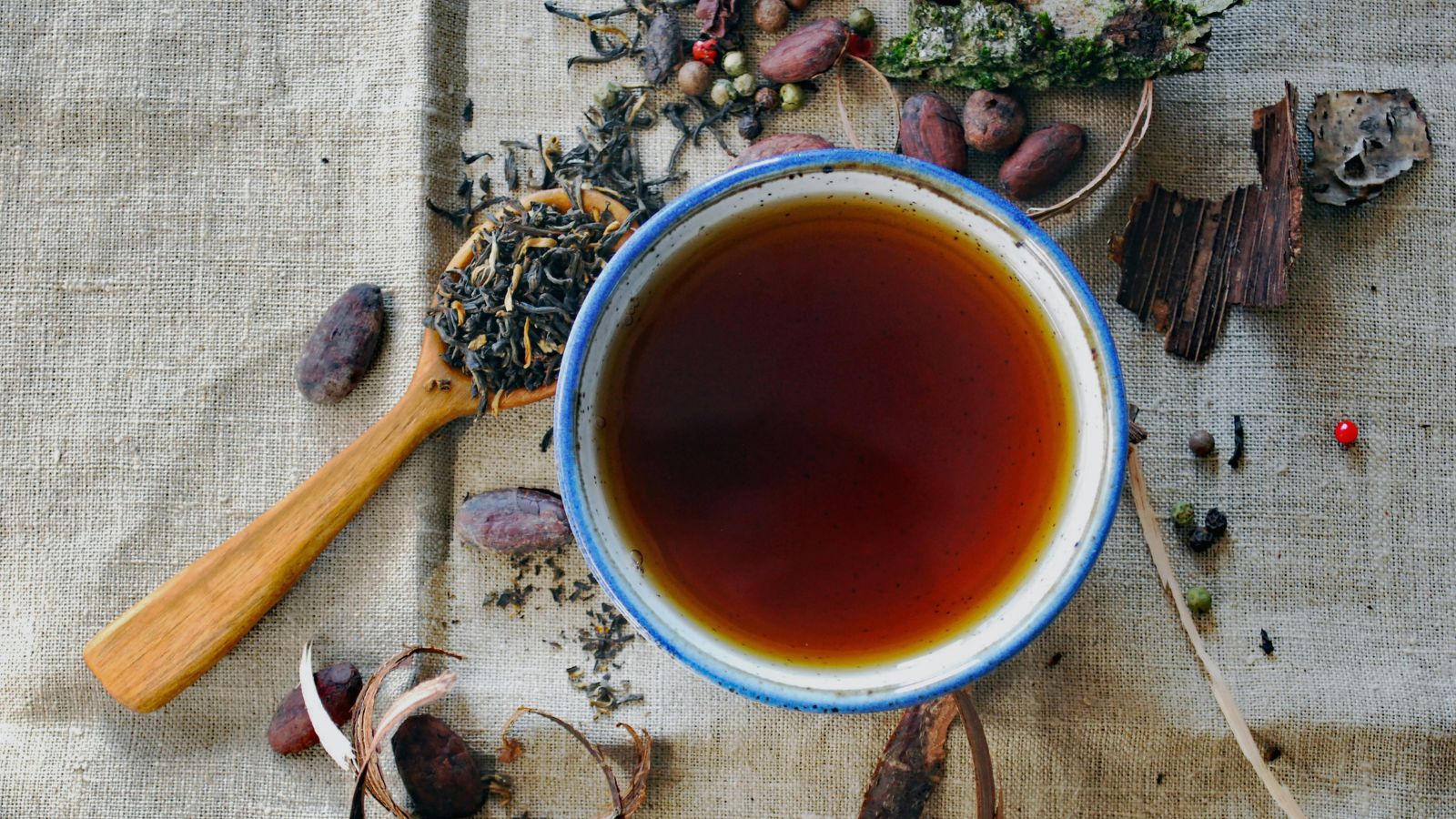 Tea can be part of a healthy routine when consumed in moderation and at the right time (Image Source: Unsplash)
Tea is best enjoyed after allowing it to cool slightly. Regularly consuming extremely hot beverages can irritate the mouth and food pipe, making temperature an important part of the drinking habit.
A cup of tea may suppress appetite temporarily because of caffeine, but it isn’t nutritionally equivalent to a meal. Replacing breakfast or lunch with tea can mean inadequate protein, fibre, vitamins and minerals.
DISCLAIMER: This article is based on information from the public domain and/or the experts we spoke to. Always consult your health practitioner before starting any routine.


