


📣 For more lifestyle news, click here to join our WhatsApp Channel and also follow us on Instagram
© IE Online Media Services Pvt Ltd
Tags:



Samantha Ruth Prabhu, who has been following healthy lifestyle habits since her myositis diagnosis, recently showed off her sculpted back, admitting that she never thought it was possible for her to achieve. “Action mode. Beast mode. A few years ago, I had pretty much given up on ever having a strong back. I genuinely thought it just wasn’t in my genes. I’d see other people with great backs and think, “Yeah, that’s not going to be me. But I was wrong. And honestly, I’m glad I was.”
The Family Man 2 actor continued in a post on Instagram, “So yes, I’m going to show it off now, because the work it took to get here was intense. Like intense intense. Showing up on days when I didn’t feel like it, when nothing seemed to be changing, when it would’ve been easier to quit.”

Stressing that it is important to build muscle with age, Samatha continued, “Building muscle is so important. Not just for how you look, but for how you live, how you move, how you age. As you get older, strength training needs to become your best friend. Strength training did more for me than anything else. It taught me discipline, patience, and that ‘not in the genes’ is just an excuse we repeat until we finally prove ourselves wrong. If you’re at that point where you’re close to giving up, don’t. Your future self will be so grateful you kept going.”
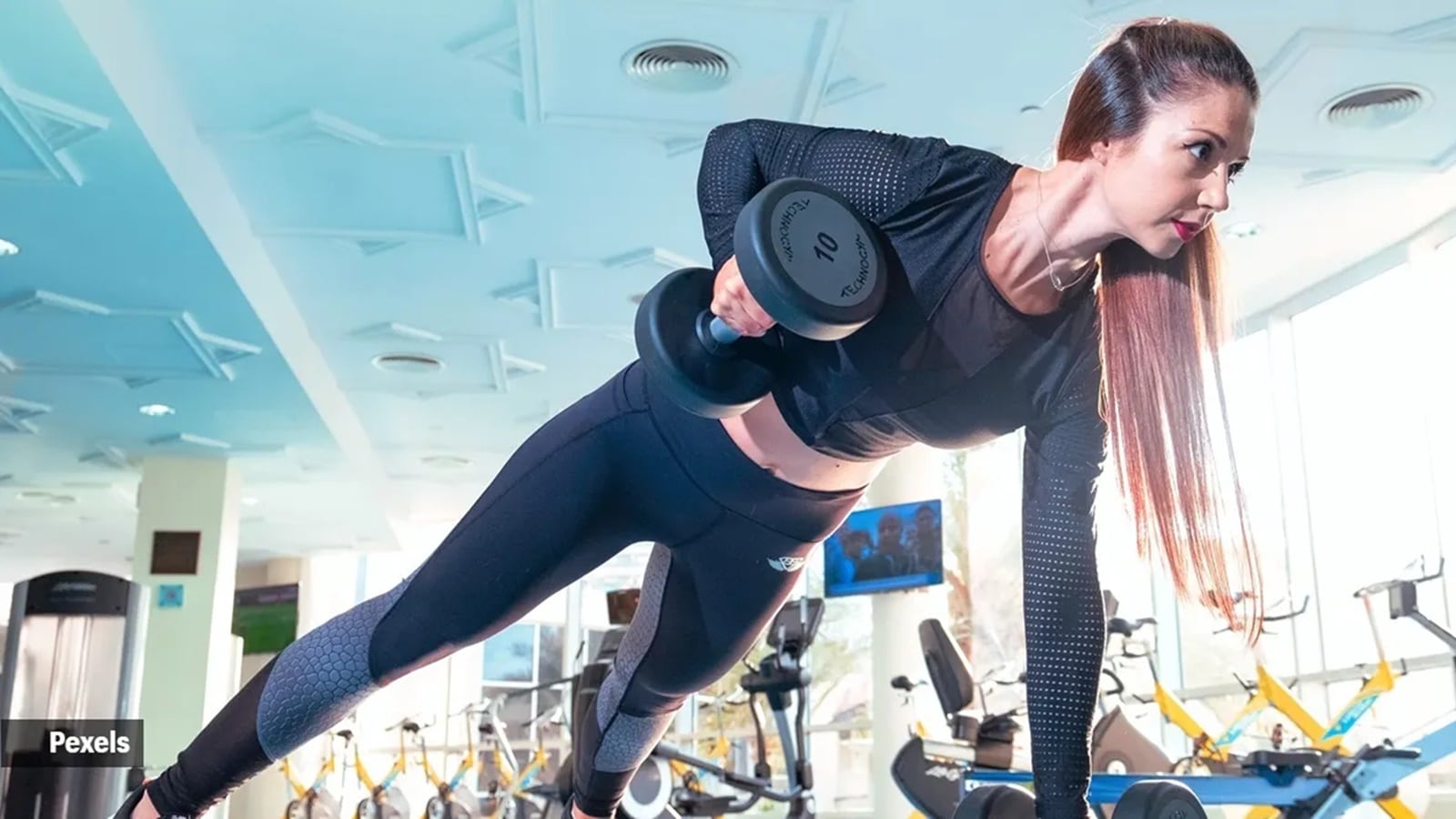
With this, Samantha proved that “not in the genes” is just an excuse, and that pushing past self-doubt is the secret sauce for success.
If you feel inspired, here’s how to develop a chiselled back.
“To develop a chiselled back, one can include movements like deadlifts, pullups, face pull, rowing exercises like bent over rows, and inverted rows. Training back twice a week, with the number of sets ranging between 10–12 for beginners and up to 20 sets for advanced trainees, would maximise the stimulus for muscle growth,” said fitness coach Varun Rattan.
A well-rounded nutrition plan must accompany a workout.
“Reassess the macronutrient distribution if you don’t see noticeable change even after three months of training. Rest is non-negotiable. One must aim for 7 to 9 hours of sleep and active recovery days for healing, hormonal balance, and minimising exercise-related injury incidents,” said Rattan.
DISCLAIMER: This article is based on information from the public domain and/or the experts we spoke to. Always consult your health practitioner before starting any routine.


