5 min read
📣 For more lifestyle news, click here to join our WhatsApp Channel and also follow us on Instagram
© IE Online Media Services Pvt Ltd



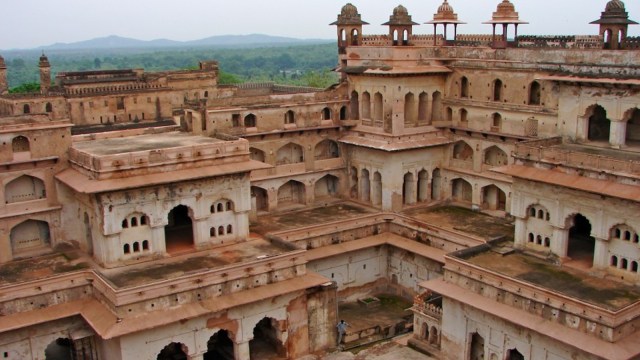 A monument in Orchha, Madhya Pradesh (Photo: Wikipedia)
Walled cities, for centuries, have served as humanity’s strongest defence systems—protecting rulers, citizens, and cultures from invasion. Today, many of these fortified towns survive as remarkable living museums, where ancient ramparts, stone gateways and narrow alleys reveal layers of history. Here are six of the world’s most fascinating walled cities, each offering travellers a chance to step inside worlds shaped by war, trade, empire and religion.
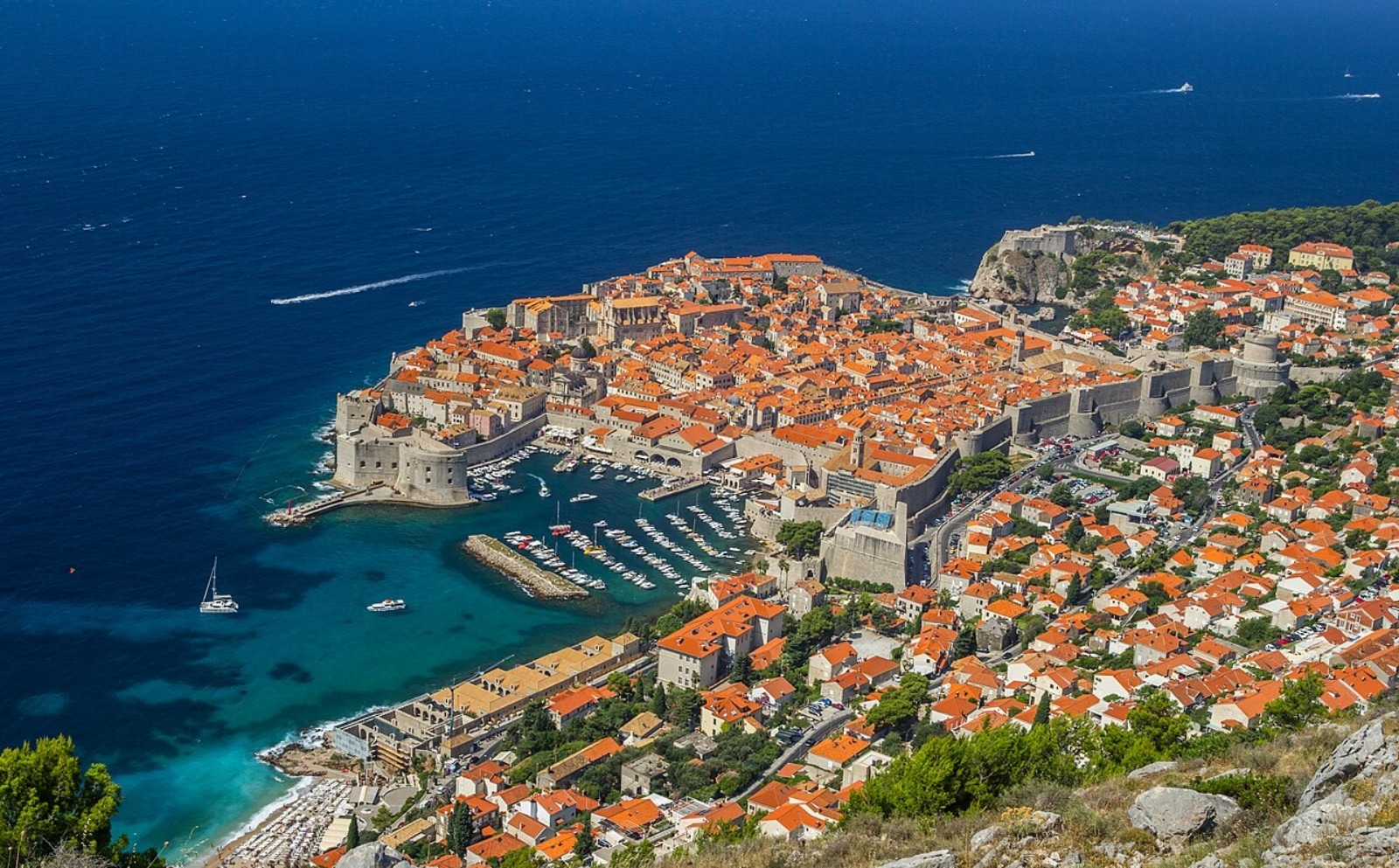 Panoramic view of Croatia (Photo: Wikipedia)
Few walled cities command the cinematic presence of Dubrovnik, whose massive limestone ramparts hug the edge of the Adriatic Sea. Built mainly between the 12th and 17th centuries, these walls stretch nearly 2 kilometres and rise to 25 metres. They once shielded the wealthy maritime Republic of Ragusa, a formidable trading power. Walking the entire perimeter is one of Europe’s great urban experiences: terracotta rooftops on one side, endless blue sea on the other. Inside the walls, Baroque churches, monasteries, marble-paved streets and Renaissance palaces give Dubrovnik an atmosphere that is both grand and intimate. Despite modern fame through film and television, the city retains its soul—especially in the early mornings or late evenings when crowds disperse, and the echo of its medieval past feels closest.
 Orchha Fort complex (Photo: Wikipedia)
Less commercial than Rajasthan’s cities but equally spellbinding, Orchha in Madhya Pradesh is a quiet riverside town fortified by thick walls and watchtowers. Built by the Bundela Rajputs in the 16th century, the complex encloses palaces, temples and cenotaphs scattered across the Betwa River landscape. The Jahangir Mahal and Raj Mahal rise dramatically above the fortified walls, their blend of Mughal and Bundela architectural styles still intact. Walking through Orchha’s gateways feels like stepping into a forgotten chapter of medieval India.
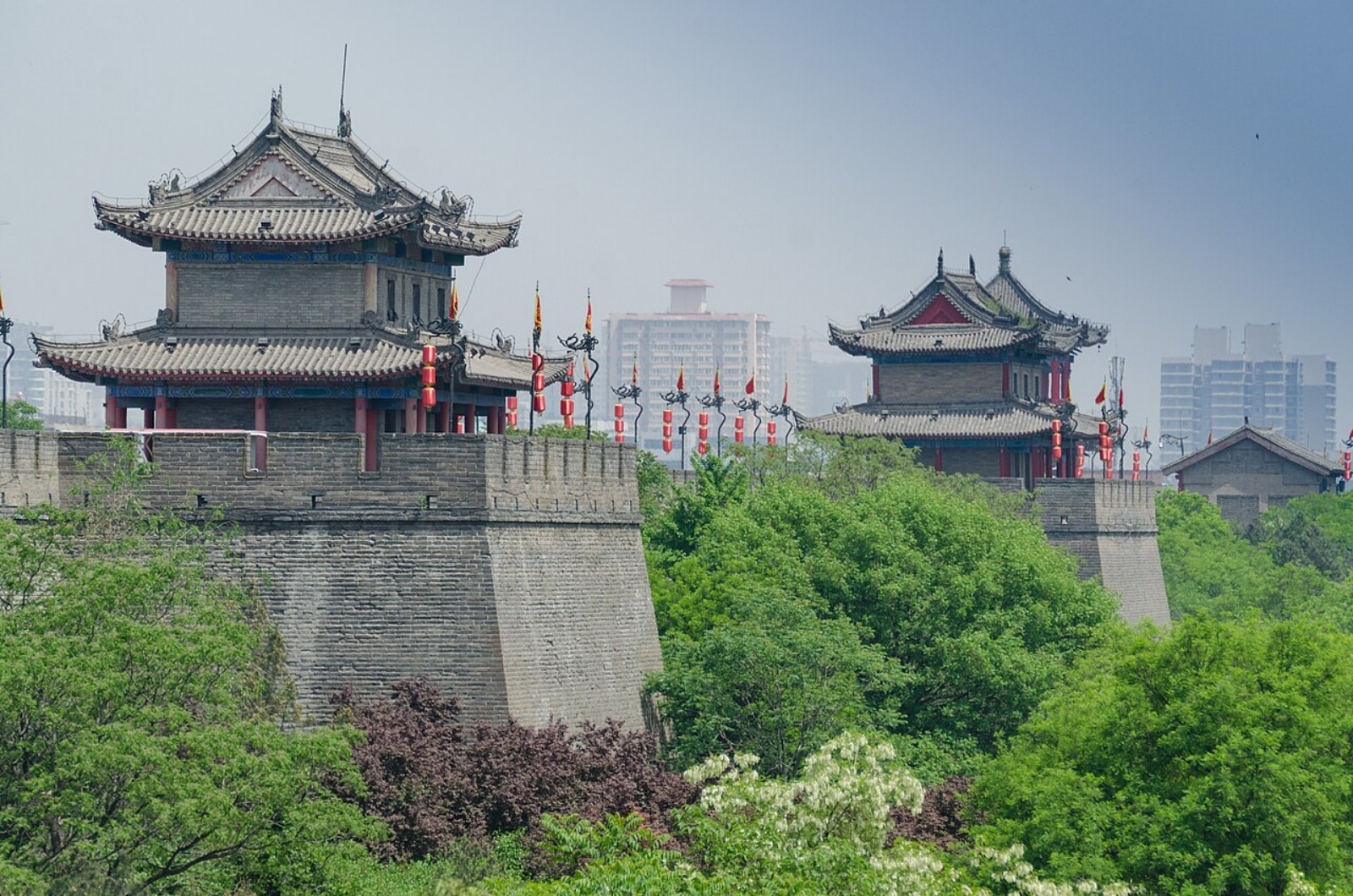 Xian city wall (Photo: Wikipedia)
Dating back to the Ming dynasty, Xi’an’s city wall is among the largest and best-preserved in the world. This immense rectangular structure stretches around 14 kilometres, forming a fortress that once protected the eastern terminus of the Silk Road. With its watchtowers, gates and deep moat, the wall embodies China’s vast military engineering heritage. What makes Xi’an special is the way its walls effortlessly integrate with modern life. Travellers can cycle atop the five-storey-high ramparts, passing locals taking leisurely strolls and stopping at gates that connect the old city to the new. Beneath the walls lie vibrant neighbourhoods, night markets, and temples—reminders that Xi’an has been the cultural heart of multiple dynasties for over 3,000 years.
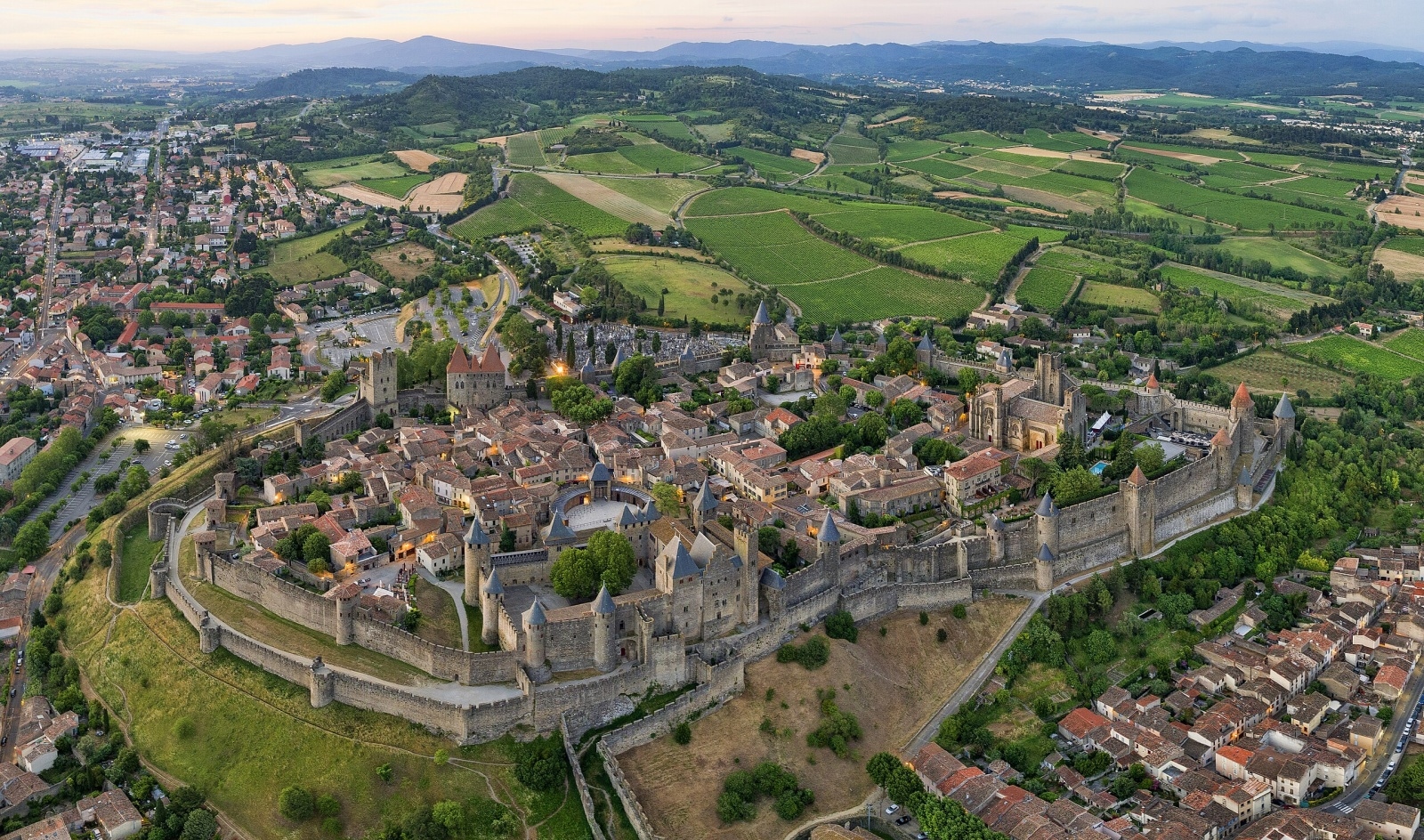 Aerial photograph of the Cité de Carcassonne (Photo: Wikipedia)
With its turreted towers, drawbridges and double defensive walls, Carcassonne looks like something lifted straight from a storybook. Restored in the 19th century by architect Eugène Viollet-le-Duc, this UNESCO World Heritage Site is a shining example of medieval fortification. Carcassonne’s fortifications date back to the Gallo-Roman era, but its current form is largely medieval. Visitors can wander along the ramparts, explore the imposing Château Comtal, and wind through cobbled lanes lined with artisan shops and cafés. The view from the fortress, overlooking the Languedoc countryside, is spectacular—especially at sunset when the golden light warms the city’s distinctive sandstone.
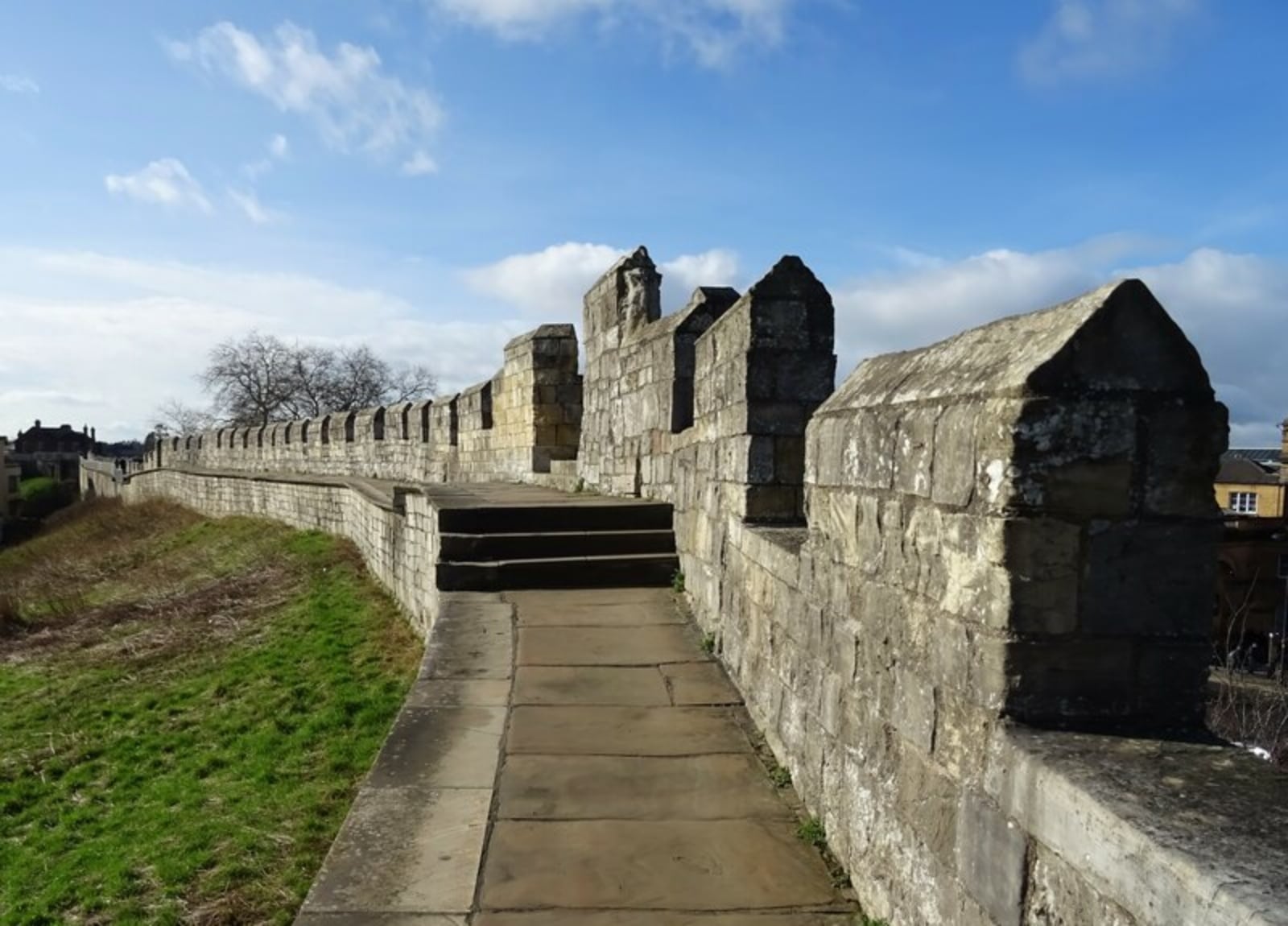 Steps on path, City Walls (Photo: Wikipedia)
York’s history stretches across eras—from Roman foundations to Viking occupation and medieval prosperity. Its city walls, known locally as the Bar Walls, form the longest stretch of medieval fortifications still standing in England. Four grand gatehouses, or “bars,” mark entry into the city and offer excellent vantage points for walkers. Beyond the walls lies a city dense with heritage: the Gothic splendour of York Minster, ruins of Norman castles, timber-framed houses, and the atmospheric Shambles. Walking the walls provides a sweeping introduction to York’s layered past and its gentle blend of the ancient and the modern.
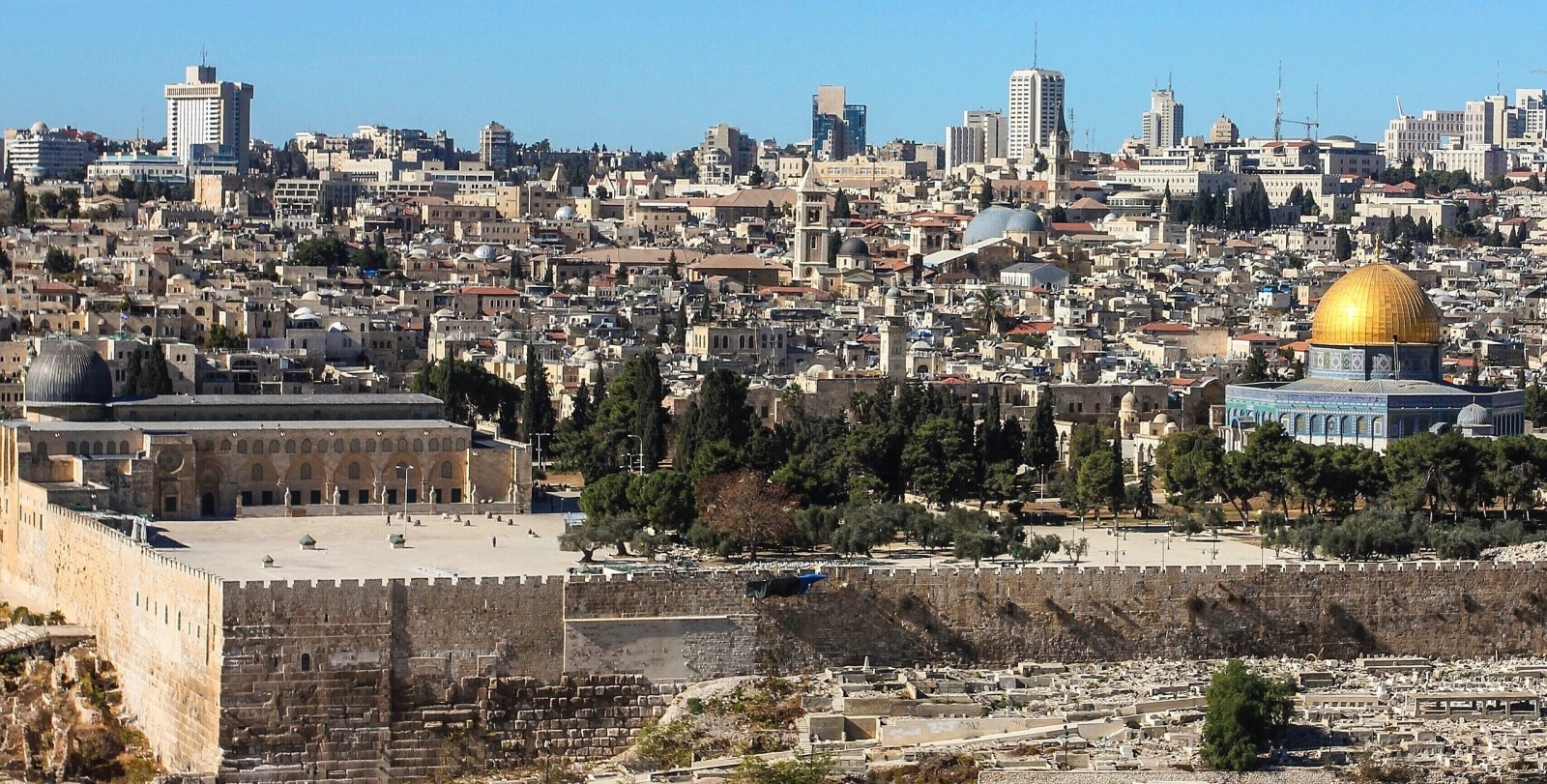 Dome of the Rock seen from the Mount of Olives in Jerusalem (Photo: Wikipedia)
Few walled cities carry as profound a spiritual weight as Jerusalem. Its current walls were rebuilt in the 16th century during the Ottoman era, enclosing sites central to Judaism, Christianity, and Islam. The Old City is divided into four quarters—Jewish, Christian, Muslim and Armenian—each with distinct cultures, markets, and sacred spaces. Inside the ramparts stand enduring landmarks: the Western Wall, the Church of the Holy Sepulchre, and the Dome of the Rock. Wandering through its maze of limestone streets reveals a living crossroads of faith, tradition, and contested histories. The walls here are not merely defensive structures but symbols of resilience, identity, and memory.