


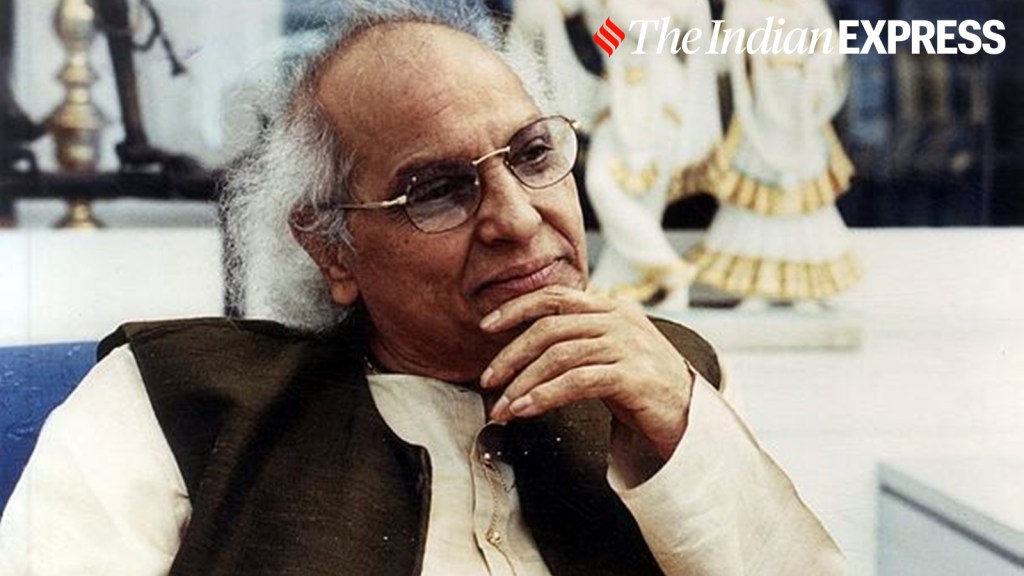


Pandit Jasraj’s name is etched in the annals of Hindustani classical music as one of its most transformative figures. Known for his unmatched vocal prowess, he was a man whose voice did not merely resonate with melodies but reverberated with deep emotion, transcending technical boundaries to connect with the listener’s soul. Over the course of a career that spanned more than seven decades, Jasraj created a legacy that was both a celebration of classical tradition and an innovative force that expanded its horizons. His music was a spiritual journey, inviting audiences into a space where the divine and the artistic seamlessly merged.
Power of Jasrangi Jugalbandi and devotional music
Pandit Jasraj was not just a performer but an innovator who brought new dimensions to classical music. One of his most groundbreaking contributions was the creation of the Jasrangi Jugalbandi, a form of duet classical music that allows male and female vocalists to weave together two different ragas. The concept of the Jasrangi Jugalbandi was revolutionary, as it overcame the challenges of combining vocal ranges that were traditionally seen as incompatible. The beauty of the Jasrangi lies in its ability to balance two distinct voices, creating a sound that is both harmonious and contrasting. This form became a signature of Pandit Jasraj’s work, and its influence continues to inspire musicians across the world.

Another of his major contributions was his devotion to bringing haveli sangeet, the sacred devotional music of Krishna temples, to a wider audience. Jasraj made this deeply spiritual music, traditionally sung in the intimate halls of Rajasthan and Mathura, accessible to the public, transforming it into a shared experience. Through his renditions, he elevated haveli sangeet from a temple tradition to a global phenomenon, where listeners from all walks of life could experience the devotional power of Krishna’s name.
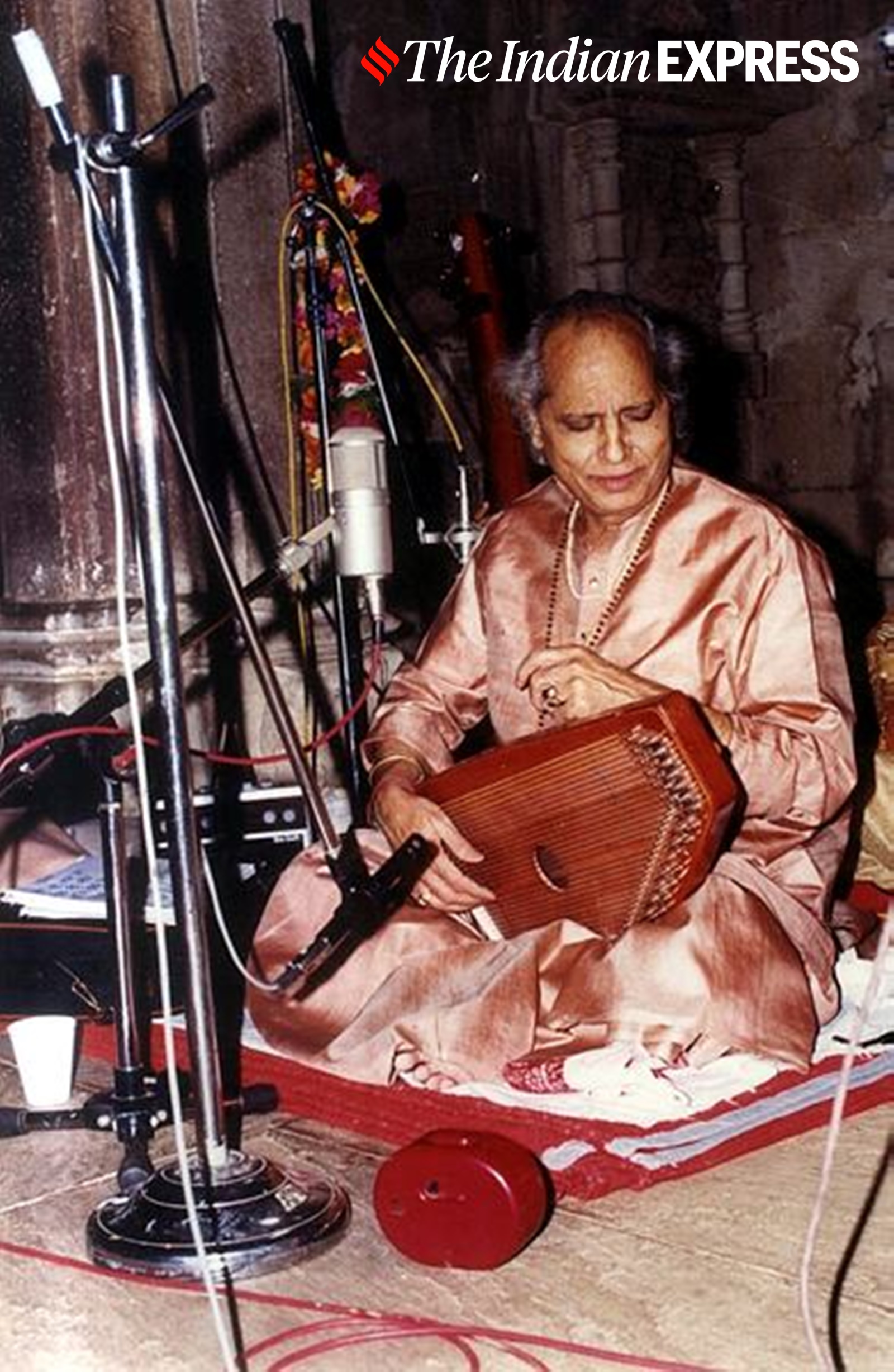 His influence reached far beyond India, as he performed in concert halls across the globe, captivating audiences from diverse backgrounds with the power of his voice. (Express Archive Photo)
Unique approach to music and innovation
At the heart of Pandit Jasraj’s brilliance was his ability to blend the sacred with the musical, creating compositions imbued with profound emotional depth and spiritual resonance. His innovations transcended traditional musical forms, forging a unique connection between music and the divine. One of his most iconic creations, Mero Allah Meherbaan (My Allah is Kind), exemplifies this genius. A composition in the raga Bhairav—known for its solemn, meditative qualities—this piece serves as a testament to his mastery in weaving divine devotion into melody.
Mero Allah Meherbaan not only reflects the ethos of the Ganga-Jamuni tehzeeb, a cultural synthesis of Hindu and Muslim traditions, but also resonates with the universal reverence for the divine found in music across cultures. The raga’s solemnity provided a perfect canvas for Jasraj to explore themes of kindness and compassion, making the composition feel both timeless and contemporary. His approach mirrored the ethos of Ustad Bismillah Khan, whose shehnai music also beautifully melded the spiritual with the musical, often evoking the shared heritage and syncretism of Indian culture.
The seamless transition between the musical and spiritual realms in Jasraj’s work was not just a hallmark of his artistry but also a celebration of India’s rich, pluralistic cultural tapestry. By integrating elements of classical tradition with personal spiritual expression, Jasraj’s music, much like Khan’s, became a bridge over cultural divides, touching hearts with its universal messages of love and unity.
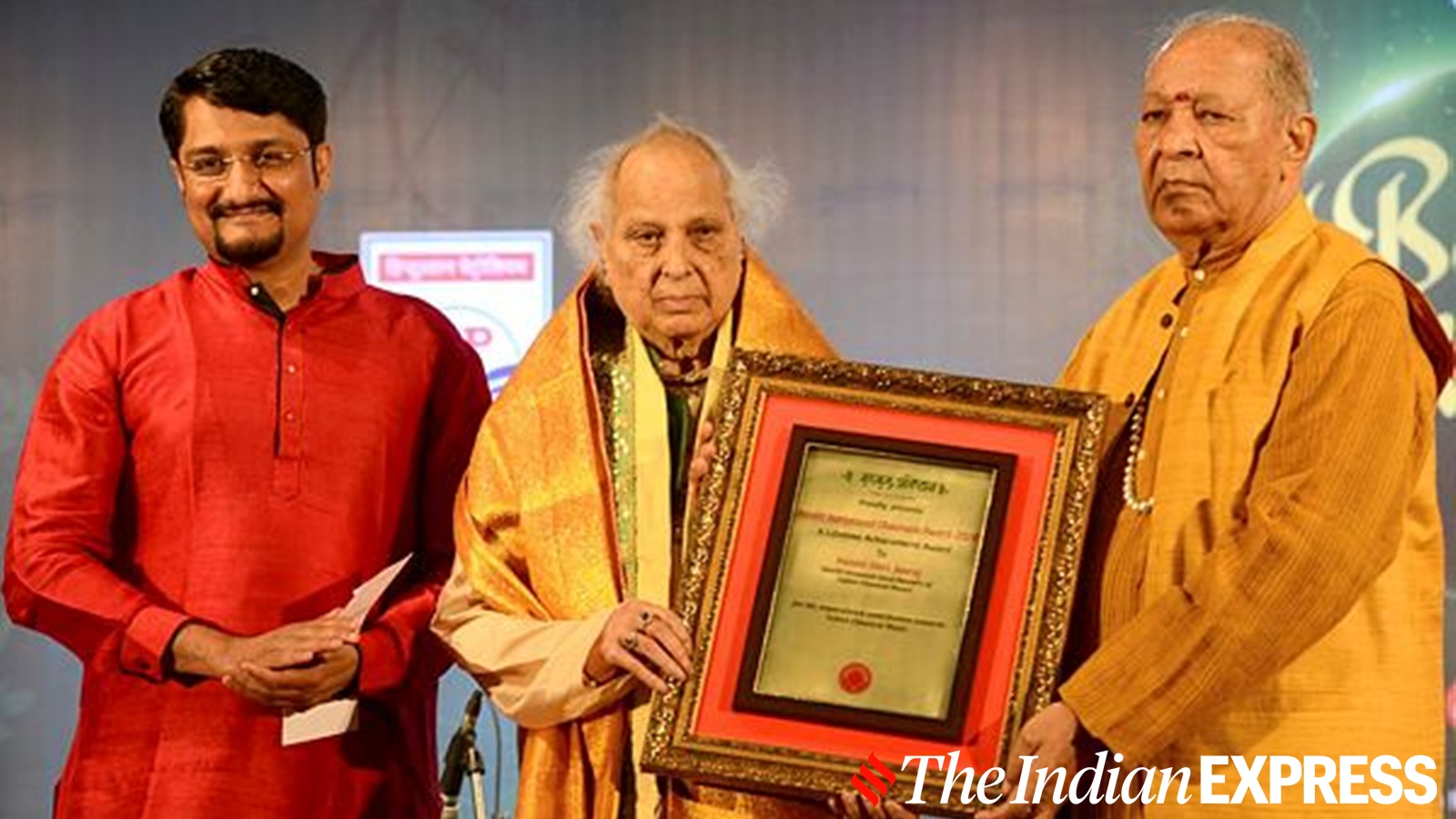 Flute Maestro Pandit Hariprasad Chaurasia felicitates Sangeet Martand Pandit Jasraj with ‘Flute Legend Pandit Hariprasad Chaurasia Puraskar’ ( Express photo by Deepak Joshi)
Mastery behind the voice
Pandit Jasraj’s voice was one of his most extraordinary instruments. With its remarkable five-octave range, his vocal prowess was a blend of strength and sweetness, with each note and phrase crafted with precision. His mastery over ragas like Bhairav, Durga, and Abeer Todi was exceptional, and it was his use of harkats, murkis, and stotras that made his performances so captivating. These intricate ornaments, delivered with unparalleled grace, added emotional depth to his performances, inviting the listener into a space of devotion and introspection.
What set Jasraj apart from his contemporaries was his ability to make even the most serious classical compositions feel approachable without compromising their depth. By blending elements of thumri with khayal, he created a more melodic, audience-friendly version of khayal—a form that was traditionally seen as a serious and demanding genre. His ability to balance the technical aspects of classical music with emotional expression made his performances universally appealing.
Legacy of teaching and global influence
In addition to his performances, Pandit Jasraj was a dedicated educator. His commitment to spreading the knowledge of Hindustani classical music led him to establish schools in various parts of the world. His teachings emphasised not just the technicalities of music but also the philosophy behind it, offering students a holistic approach to the art form. He was deeply invested in making classical music accessible to people from all walks of life, rejecting the elitism that sometimes surrounded the genre. For Jasraj, music was not for a select few but for everyone.
His influence reached far beyond India, as he performed in concert halls across the globe, captivating audiences from diverse backgrounds with the power of his voice. His contributions helped bring Hindustani classical music to the world stage, cementing his position as one of the foremost ambassadors of Indian culture and artistry.
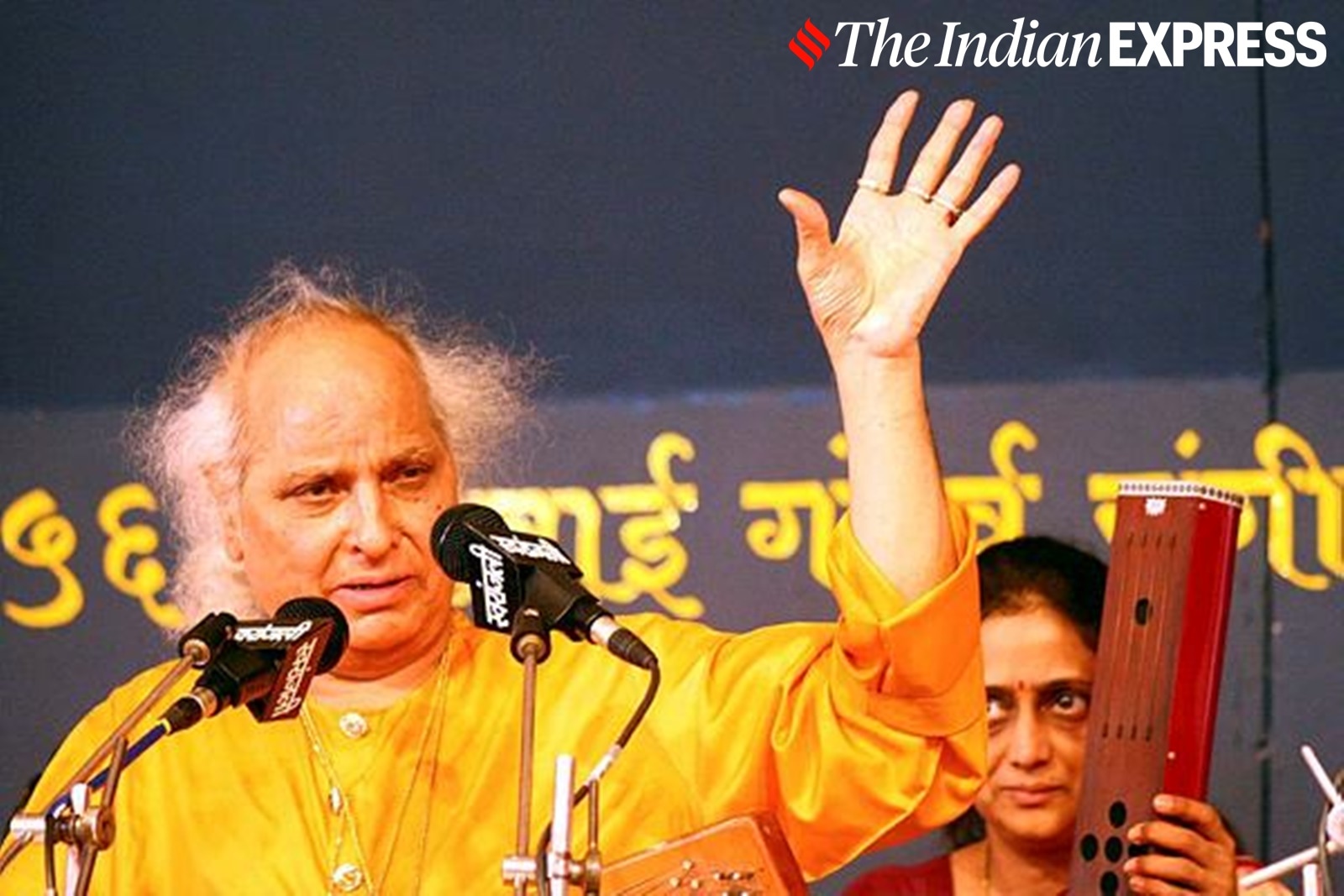 Pandit Jasraj acknowledges during the Sawai Gandharva music festival. (Express photo by Pavan Khengre)
Personal life and final years
Pandit Jasraj was born into a family of classical musicians. His father Pandit Motiram was a well-respected singer, and his early life was deeply influenced by the music of his family. After the untimely death of his father, Jasraj moved with his mother and brothers to Hyderabad, where he began formal training in music. By the age of 11, he was already accompanying his elder brother to concerts, beginning a musical journey that would span decades.
Jasraj was married to Madhura Shantaram, daughter of legendary filmmaker V Shantaram, and together they raised two children, Durga and Shaarang Dev, who followed in their father’s footsteps in the world of music. He passed away on August 17, 2020, at the age of 90, after a life filled with groundbreaking achievements and lasting contributions to the world of music.
Jasraj’s death marked the end of an era in Hindustani classical music, but his legacy endures. His voice, which transcended the limits of vocal technique and reached into the realm of the divine, continues to inspire musicians around the world. To honour his exceptional contributions, the International Astronomical Union named a minor planet after him—Panditjasraj. The planet, numbered 300128, orbits between Mars and Jupiter, a celestial tribute to a man whose music will continue to inspire generations of listeners and musicians alike.
Jasraj’s legacy is not only in the notes he sang but in the bridges he built between cultures, traditions, and people. His music was not just about technical mastery; it was a profound expression of devotion, a spiritual journey that invited listeners to experience the divine through sound. Today, his music continues to resonate, reminding us of the timeless power of melody to connect, heal, and transcend all boundaries.