


Journalism of Courage
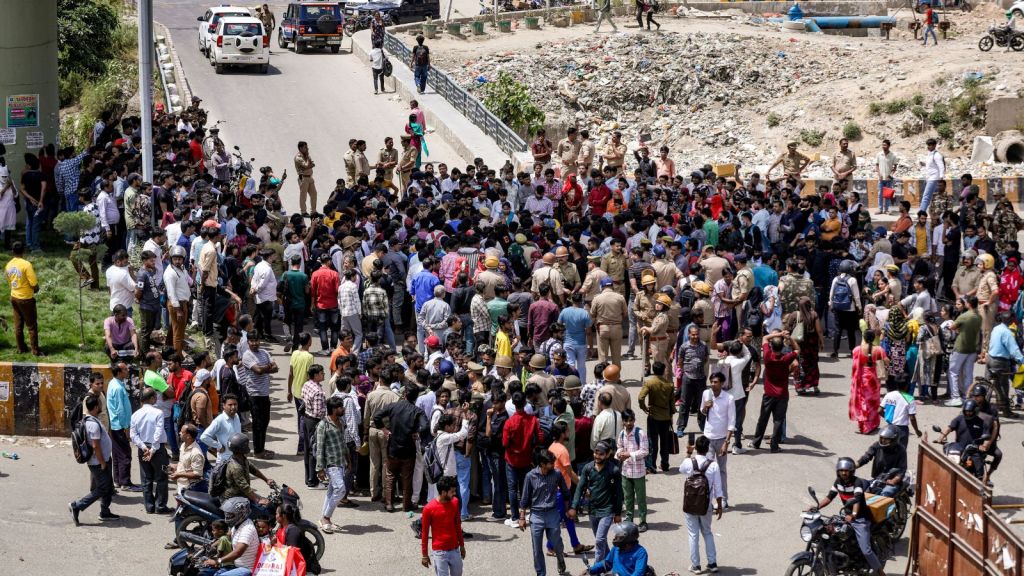 Lodged in Kasna Jail, Chaudhary was arrested in connection with a protest by workers in Noida in April this year. (PTI)
Revising its order on Gautam Buddha Nagar District Magistrate Medha Roopam’s plea challenging the September 2 order of the Allahabad High Court, the Supreme Court clarified Thursday that it had not stayed the quashing of the detention of Delhi University student Akriti Chaudhary under the National Security Act, but only paused the High Court’s strictures against the official and the direction to pay Chaudhary Rs 5 lakh from Roopam’s salary.
“After hearing learned Senior Counsel for the parties, this Court is of the opinion that till the matter is heard on merits, the operation of para nos. 27 to 33 of the impugned judgment including award of costs and strictures against the District Magistrate shall remain stayed,” the revised order by the bench of Justice Satish Chandra Sharma and Justice N Kotiswar Singh said.
These paragraphs relate to the High Court’s strictures against Roopam including that her “conduct… is worthy of derision” and that she “is guilty of violating her oath of allegiance” to the Constitution, and the direction for the Rs 5-lakh compensation payment from her salary.
The initial version of the order passed Wednesday had said: “After hearing learned Senior Counsel for the parties, this Court is of the opinion that till the matter is heard on merits, the operation of the impugned judgment, particularly para Nos. 27 to 33 shall remain stayed.” This had led to confusion whether the stay also applied to the quashing of Chaudhary’s detention under the NSA.
Lodged in Kasna Jail, Chaudhary was arrested in connection with a protest by workers in Noida in April this year. She was subsequently also booked under the NSA.
By its September 2 order, the High Court, while quashing the NSA detention, also pulled up Roopam over the manner in which she passed the order detaining the 25-year-old student and directed payment of Rs 5 lakh from her salary as compensation. It also cautioned that unchecked abuse of power by Uttar Pradesh police and officials risked reducing the state to an “Orwellian Dystopia”.
It said the “casual and cavalier exercise of authority” by the State, through the District Magistrate of Gautam Buddha Nagar, had “violated the constitutional rights” of the petitioner.
The High Court said “the District Magistrate desired to set an example out of the petitioner and deter others from exercising their right to freedom of speech and expression in public spaces in support of the labourers”.
Roopam challenged this before the Supreme Court, contending that the High Court had passed the strictures without hearing her.