4 min readNew DelhiSep 10, 2026 05:57 PM IST
First published on: Sep 10, 2026 at 05:57 PM IST
A Rs 15,000 contribution to buy flower pots for a court campus became an unusual condition for anticipatory bail in a Bihar liquor case. The Patna High Court granted the accused protection from arrest in a case involving 112 litres of whisky, noting that no contraband was recovered from his possession, and directed him to deposit the money with the Muzaffarpur District Legal Services Authority.
Justice Rajiv Roy was hearing one Praveen Anand’s plea for anticipatory bail in connection with a case registered at Goriakothi police station in Siwan district on February 22, alleging recovery of 112.320 litres of whisky from a car.

“The petitioner intends to contribute Rs. 15000/- to the District Legal Services Authority, Muzaffarpur for purchase of flower pots of the Civil Court Campus of Muzaffarpur Judgeship through Demand Draft issued by the local branch of the State Bank of India,” the court said on September 8.
Justice Rajiv Roy directed Anand to report to the concerned police station every day for one month and every fortnight for the following six months. (Image enhanced using AI)
Unusual bail condition
Anand’s lawyer made an offer, which the court accepted. The lawyer told the court that Anand intended to contribute Rs 15,000 to the District Legal Services Authority, Muzaffarpur.
He said that the money would be used to purchase flower pots for the Civil Court campus of the Muzaffarpur Judgeship. The payment was to be made through a demand draft issued by the local branch of the State Bank of India.
The high court made the Rs 15,000 payment a condition for extending anticipatory bail to Anand.
The prosecution case was that police intercepted a car and there was a recovery or seizure of 112.320 litres of whisky. The FIR was registered under the provisions of the Bihar Prohibition and Excise Amendment Act.
Anand’s lawyer relied on an earlier full bench decision of the Patna High Court concerning anticipatory bail under Bihar’s excise and prohibition law. In that earlier case, the court had held that an application for anticipatory bail could be maintained despite the statutory bar where, on the allegations made in the FIR, the relevant offence was not made out.
The court considered that legal position along with the fact that, as recorded in the order, nothing had been recovered from Anand’s conscious possession. Against that backdrop, the court decided to extend him the privilege of anticipatory bail.
Bail came with strict conditions
The protection from arrest was accompanied by a detailed set of conditions. The court directed that Anand be released on bail if arrested or if he surrendered before the concerned court within four weeks from receipt of the order. He would have to furnish a bail bond of Rs 10,000 with two sureties of the same amount.
One of the bailors must be a family member or relative and would have to produce an official document, such as an Aadhaar card, driving licence, voter ID or PAN card, to establish their bona fides.
Anand must also appear before the police whenever required and cooperate with the investigation. He has to attend every date before the trial court, and failure to appear on two consecutive dates without a plausible reason could lead to cancellation of his bail bond.
Six months of police attendance
The court imposed a particularly specific attendance requirement. Anand must report to the concerned police station every day for one month. After that, he must report every fortnight for the next six months to mark his attendance.
At the end of this period, a certificate has to be submitted before the trial court. If he fails to comply, the State has been given liberty to take steps for cancellation of his bail bonds. He has also been barred from attempting to induce, promise, or threaten witnesses or tamper with evidence.
The state can seek cancellation of his bail bonds in case of such violations. The court further directed Anand to desist from committing any criminal offence again, with a fresh offence potentially exposing him to cancellation proceedings.

 The Patna High Court directed Praveen Anand to furnish a Rs 10,000 bail bond with two sureties of the same amount. (Image generated using AI)

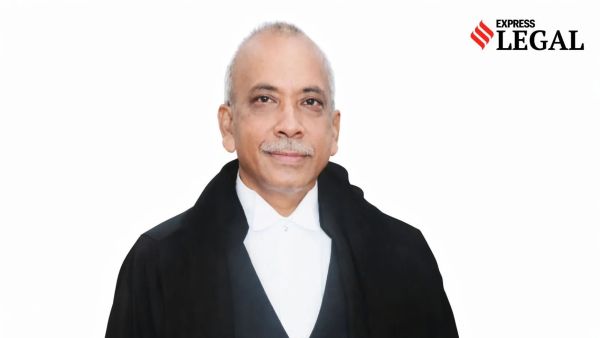 Justice Rajiv Roy directed Anand to report to the concerned police station every day for one month and every fortnight for the following six months. (Image enhanced using AI)


 Share


