The commission, on September 18, said the online platform had an “inherent responsibility” to provide the support services expected by customers, including logistical assistance, payment facilitation and effective resolution of concerns raised by consumers. It also stated that the platform failed to resolve her complaint despite repeated communication, and noted that the platform had separate arrangements with the seller and the logistics provider, but the consumer had no prior knowledge of either of them when she placed the order through the platform.
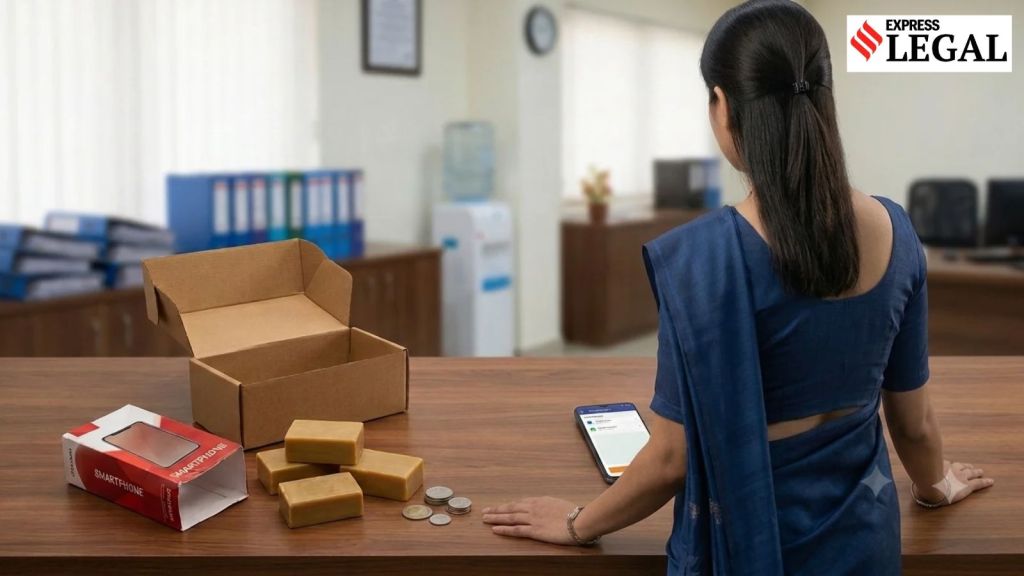
According to the complaint, the consumer ordered a mobile phone through the online platform and received the delivery on October 25, 2021. She alleged that the parcel contained bars of soap instead of the mobile phone.
Consumer approaches commission
The commission examined an invoice dated October 24, 2021, which showed that the mobile phone had been sold for Rs 10,574 through the online platform. The consumer emailed the platform about receiving soap instead of the phone and attached her Aadhaar card. On November 17, 2021, the platform informed her that the return request could not be processed by the seller because no image of the product had been shared.
The consumer then sent multiple emails about the phone and said she had taken screenshots. The commission also considered a video shown during the proceedings. An order dated July 31, 2026, recorded that the video showed the consumer opening the package and receiving bars of soap. She had sought Rs 20,000 towards financial loss and Rs 50,000 towards mental agony and harassment.
The online platform argued that it only provided a marketplace facilitating transactions between buyers and sellers. It maintained that the actual seller of the mobile phone was a separate entity and that any refund should, hence, be provided by the seller.
Story continues below this ad
It also relied on Section 79 of the Information Technology Act, 2000, concerning the liability of intermediaries. The platform further said the consumer had been asked to provide identity proof and photographs of the product but had not done so. It also alleged that her purchase history reflected a large number of return requests. The logistics provider, another respondent, said the goods had been sold by a separate seller and that it had only delivered the product in a sealed box supplied by the seller.
‘Platform has responsibility to consumer’
The commission did not accept the online platform’s contention that its intermediary status meant it had no responsibility towards the consumer. It noted that the platform had not disputed the delivery and pick-up of the product or its communication with the consumer.
It also noted that the consumer had no direct interaction or prior knowledge of the seller and logistics provider before placing the order through the platform. The commission observed that consumers purchase through online portals, trusting the services provided by those platforms.
The commission held that the agreement between the platform and seller cast an “inherent responsibility” on the platform to provide the necessary support services expected by customers. These services, it said, included logistical assistance, payment facilitation and effective resolution of concerns raised by consumers.
Story continues below this ad
It thus held the platform guilty of deficiency in service and unfair trade practice. The platform was directed to pay Rs 10,574, representing the price of the mobile phone, with interest at 7 per cent per annum. It separately awarded Rs 5,000 as compensation for mental harassment and Rs 5,000 towards litigation expenses.
The total amount added up to Rs 20,574, apart from the interest ordered on Rs 10,574. The commission gave the platform 60 days to comply with the order. If it failed to do so, the amount would carry interest at 8 per cent from the date of the order until realisation.
Takeaway
Online shoppers can seek relief when a platform fails to properly address a wrong delivery, with the commission holding that the platform has a responsibility to provide support and resolve consumer complaints even when the seller and logistics provider are separate entities.
For consumer-related grievances, individuals may contact the consumer helpline in their respective states (Delhi: 1800-11-4000) or call the National Consumer Helpline at 1915 for assistance.
Story continues below this ad
Don’t miss out on these stories:
Daughter’s wedding cancelled, man wins Rs 3 lakh refund from hotel after 8 years
Luxury car destroyed in fire after puncture on highway, insurer to pay owner Rs 71 lakh
Rs 333 railway room, wrong toilet, Rs 20,000 compensation for 72-year-old man