


 The tribunal had ordered the widow to pay Rs 10,000 monthly to her mother-in-law. (AI-generated image)
The Kerala High Court has held that a woman cannot be directed to pay maintenance to her mother-in-law when the latter has other surviving children to take care of her.
The court said a senior citizen with other children cannot “pick and choose” her late son’s wife for maintenance, as it set aside an order directing a woman to pay monthly support of Rs 10,000 to her mother-in-law. The September 8 ruling stated, “When the mother-in-law has other children, she may not be justified in picking and choosing the petitioner alone for payment of maintenance to her. This is especially so since the petitioner is none other than the wife of the petitioner’s deceased son.”
Justice Harisankar V Menon observed that under Section 9 of the Act, only “children and relatives” can be directed to pay maintenance to a senior citizen, and held that a daughter-in-law is not covered under the provisions while she had other children.
The order added that the widow had been making payments of amounts “as ordered by the Maintenance Tribunal till date,” and the mother-in-law need not refund the said amount to her.
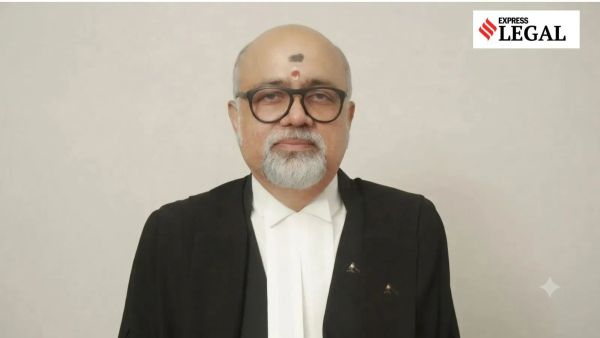 Justice Harisankar V Menon said that a daughter-in-law cannot be roped into the provisions of the Maintenance and Welfare of Parents and Senior Citizens Act.
The case concerns a widow, the daughter-in-law of a 78-year-old woman who had five children, including the widow’s husband, who died. On February 20, 2021, the mother-in-law executed a settlement deed in favour of the widow, while retaining a life interest in the property.
The mother-in-law approached the tribunal under the Maintenance and Welfare of Parents and Senior Citizens Act, 2007, alleging that her daughter-in-law was not looking after her as required under the settlement deed.
On July 16, 2021, the tribunal directed the widowed daughter-in-law to pay Rs 10,000 per month to the elderly woman as maintenance. The order recorded that the mother-in-law was living with another son and wanted to continue doing so. The widow challenged the tribunal’s order before the Kerala High Court.
Advocate Arjun C Bhaskar, appearing for the widow, contended that the mother-in-law was staying with her other son and had other children, and had only sought maintenance from her daughter-in-law, the widow.
Advocate Meenakshi, appearing for the mother-in-law, argued that the widow had a duty to maintain her mother-in-law, and that she had not even permitted her to enter the property, or to enjoy the fruits from the property.
The court held that under Section 9 of the Maintenance and Welfare of Parents and Senior Citizens Act, maintenance can be ordered only against a senior citizen’s “children or relatives” as defined by the law, and since the mother-in-law had other children, she could not seek maintenance only from her daughter-in-law.
The court, hence, set aside the tribunal’s order directing the widow to pay Rs 10,000 per month. However, it said the amount she had already paid to her mother-in-law won’t have to be refunded.