3 min readNew DelhiSep 23, 2026 06:30 PM IST
The Himachal Pradesh High Court has disposed of an eight-year-old divorce appeal after the man who had filed it died while the case was pending, holding that a man after his death cannot be divorced or get a decree of divorce and that his personal right to seek divorce ended with his death.
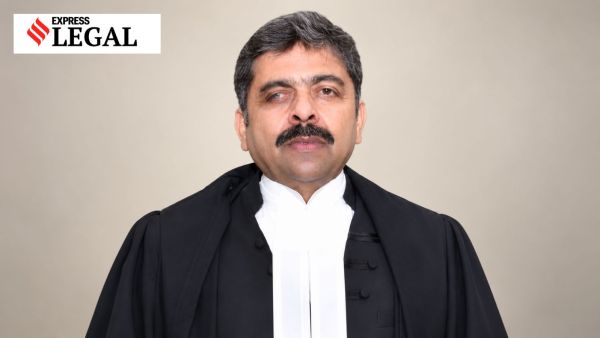
Justice Bipin Chander Negi noted that the man had initially sought divorce from his wife on the grounds of cruelty and desertion, but his petition was dismissed. He then challenged the decision before the high court in 2018. The matter was previously sent into mediation in July 2025.

The late man’s lawyer placed on record the death certificate of the man, which mentioned that the husband died on December 19, 2025. The court held that after his death, there could be no decree dissolving the marriage, as the right to seek divorce was “personal” to him and did not pass to his legal heirs.
“A man, after his death, can no more be divorced or secure a decree of divorce than he can be considered to be married or even condemned to death,” the Himachal Pradesh High Court said on September 21.
‘Cause of action died with him’
The court said the man’s case for divorce was “purely personal” to him while hearing the appeal. It said the man was not seeking to “enforce any right” that would become part of his estate and could therefore be continued by his heirs.
The court also observed that after his death, there was no longer a matrimonial relationship that could be dissolved through a divorce decree.
Justice Bipin Chander Negi noted that the man died in December 2025 during the pendency of his divorce appeal.
It referred to the legal principle that a personal case ends with the death of the person who brought it, expressed through the Latin maxim “actio personalis cum moritur persona”. The Himachal Pradesh High Court said this principle applies not only when a person dies while a case is pending before a lower court, but also when the person dies while challenging the decision in an appeal.
Story continues below this ad
It explained that since the man’s original divorce petition had already been dismissed, his appeal only sought the same relief he had originally asked for: a divorce. That right was personal to him.
“This is for the reason that dismissal of the suit by the trial court or the 1st appellate court relegates the plaintiff (husband) to his original position before the trial court,” it added.
The Himachal Pradesh High Court, accordingly, held that “nothing further survives for adjudication” and disposed of the case along with any pending applications.
Advocate Surinder Saklani represented the late husband, while advocate Pranjal Munjal represented the wife before the high court.




 Justice Bipin Chander Negi noted that the man died in December 2025 during the pendency of his divorce appeal.
