3 min readNew DelhiSep 28, 2026 05:00 PM IST
The Chhattisgarh High Court recently refused to modify a Rs 5 lakh permanent alimony order after a man, who claimed to be a labourer, said he was unable to make the payment in one go and sought permission to pay it in instalments. The court noted that he had paid only Rs 8,000 towards the Rs 5 lakh alimony, while the Rs 5,000 monthly maintenance awarded to his wife had also remained unpaid for five years and six months.
Justices Sanjay Kumar Jaiswal and Bibhu Datta Guru were hearing the plea filed by the 38-year-old man seeking modification of the Rs 5 lakh alimony granted to his wife under an earlier order of December 2024.

“The financial difficulty pleaded by the applicant (husband), in the absence of any substantial payment towards the amount already awarded and in view of the prolonged non-payment of monthly maintenance, does not constitute a sufficient ground for modifying the order,” the September 25 order read.
Only Rs 8,000 paid towards alimony
The man claimed that he was a labourer and was unable to make a one-time payment of the Rs 5 lakh permanent alimony. He requested the court to allow him to pay the amount in instalments.
Justices Sanjay Kumar Jaiswal and Bibhu Datta Guru said the object of permanent alimony is to secure financial support and stability for the spouse.
His 35-year-old estranged wife, however, claimed that he had paid only Rs 8,000 out of the Rs 5 lakh permanent alimony, and had not paid the Rs 5,000 monthly maintenance for the last five years and six months.
‘Not even paying monthly support’
The high court noted that the husband sought modification of the permanent alimony order mainly on the ground that he was a labourer and could not pay the amount in one lump sum. However, it found that against the permanent alimony of Rs 5 lakh, he has paid only Rs 8,000 till date and the monthly maintenance amount has also remained unpaid for years.
“The very object of awarding permanent alimony is to secure financial support and stability to the spouse in whose favour such an amount has been awarded,” the court said.
Story continues below this ad
“…when the substantial amount of permanent alimony has not been paid and even the monthly maintenance awarded in favour of the respondent has remained unpaid for a considerable period, the very purpose and object of the award of permanent alimony is being defeated,” it added.
Accordingly, the Chhattisgarh High Court dismissed the husband’s application seeking modification of the order dated December 6, 2024, and directed him to pay the one-time alimony in one go.





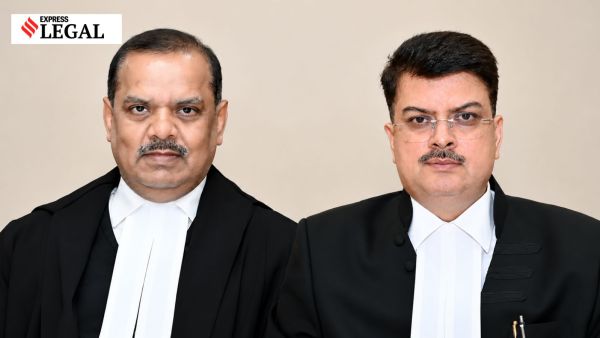 Justices Sanjay Kumar Jaiswal and Bibhu Datta Guru said the object of permanent alimony is to secure financial support and stability for the spouse.
