4 min readNew DelhiSep 22, 2026 03:30 PM IST
The Delhi High Court has quashed two criminal cases against a man, noting that he resolved matrimonial disputes with his wife by paying her a settlement of Rs 39 lakh and obtained a mutual-consent divorce in 2024. The court noted that the disputes had been amicably solved and the possibility of conviction was “remote”. Continuing the cases would only place an “unnecessary burden” on the justice system and public resources, it said.
Justice Prateek Jalan was hearing a plea filed by the husband seeking to quash two FIRs lodged by his wife. The first FIR was registered in 2014 under provisions relating to cruelty and criminal breach of trust, while the second was registered in 2023 over allegations including assault, intimidation and other offences.

“The parties (couple) have amicably resolved their disputes; the possibility of the criminal proceedings culminating in a conviction is remote. Their continuation would, therefore, serve no useful purpose and would only result in an unnecessary burden on the justice system and expenditure of public resources,” the September 16 order read.
Separated since 2014, divorced in 2024
The couple got married in 2010 and had a son in 2011. They started living separately in February 2014 due to matrimonial discord and temperamental differences. The wife later lodged a complaint before the Crime Against Women Cell, which led to the registration of an FIR in 2014.
During the pendency of the proceedings, the couple entered into a settlement in August 2024 through the counselling cell of the Family Court, Rohini, and agreed to dissolve their marriage by mutual consent. Under the settlement, the husband agreed to pay Rs 39 lakh to the wife as full and final settlement for her claims arising from the marriage, including istridhan, permanent alimony and maintenance.
Justice Prateek Jalan noted that the wife affirmed before the court that the settlement was entered into voluntarily and without any coercion.
It was added that out of the said amount, Rs 34 lakh had already been paid. It was further agreed that custody of their minor child would remain with the wife, while the husband would have specific visitation rights. Following the settlement, the couple’s marriage was dissolved by mutual-consent divorce on December 20, 2024.
The husband was represented by advocate Shruti Sharma. The couple confirmed that the settlement was voluntary and without coercion or undue pressure, and the wife said she had no objection to quashing the FIRs. The state was represented by assistant public prosecutor Manjeet Arya.
Story continues below this ad
‘Entered into settlement voluntarily’
It was noted that the wife has categorically affirmed before the court that the settlement was entered into voluntarily and without any coercion or undue pressure. It was also found that in one of the FIRs, the wife has specifically stated that the allegations mentioned arose out of a misunderstanding in the wake of the matrimonial dispute.
The court noted that the settlement provides for a total payment of Rs 39 lakh to the wife, and out of the said amount, Rs 34 lakh has already been paid.
It noted that the balance amount of Rs 5 lakh has been handed over to the wife in court on September 16. “The terms of the settlement have thus been complied with, and there is no impediment to granting the relief sought,” it found.
Pointing out that the estranged couple would remain bound by the terms of the settlement, the court held, “It is, however, made clear that the settlement and the present order will not, in any way, affect the rights of the minor child, whose custody remains with respondent (wife).”





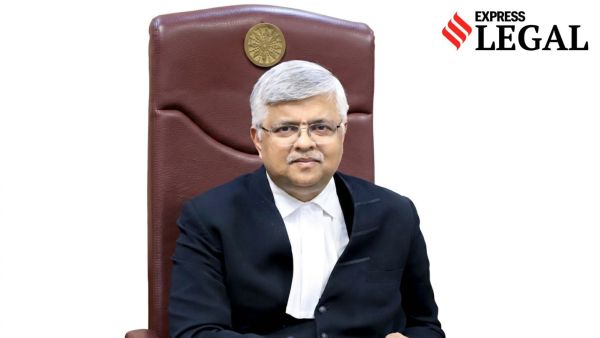 Justice Prateek Jalan noted that the wife affirmed before the court that the settlement was entered into voluntarily and without any coercion.
