5 min readNew DelhiUpdated: Sep 14, 2026 10:57 AM IST
CRPF news: The Chhattisgarh High Court has upheld the removal of a CRPF constable who remained absent from duty for more than six months after his leave ended, despite repeated directions to report for duty.
Observing that a member of a disciplined armed force cannot be permitted to remain absent from duty on “untenable or frivolous” grounds, particularly given the nature of the duties entrusted to such forces, the court said that showing “leniency” in such cases could adversely affect the discipline and functioning of the force.

Justice Naresh Kumar Chandravanshi noted that the man claimed that he was suffering from anaemia, non-icterus hepatitis and enteric fever, and produced medical documents recommending six months of bed rest. However, the authorities found the documents suspicious as they had been prepared on the last day of his approved leave.
“The petitioner, being a member of a disciplined and armed force, cannot be permitted to remain absent from duty on untenable or frivolous grounds, particularly keeping in view the nature of the duties entrusted to such forces. Any leniency towards such conduct is likely to have an adverse impact on the discipline and functioning of the force,” it added.
The high court on September 9 was hearing a plea filed by a 34-year-old man challenging the CRPF orders that led to his removal from service in 2018 and pointed out that such conduct assumes “greater significance” when the person is a member of the force and held that his removal from service was not “excessive or disproportionate”.
Removed from service in 2018
The man claimed that he was initially appointed as a constable in March 2009. After completing more than eight years of service, he became a permanent employee.
He was granted one month’s medical leave from February 13 to March 14, 2017. When his condition did not improve, he sought a further six months’ leave and submitted medical prescriptions and a medical certificate in support of his request. However, the request was rejected in April 2017, and he was directed to report for duty.
Story continues below this ad
He claimed that he reported for duty on June 7, 2017, but was not allowed to join. He also said he remained under medical treatment until June 6. However, the authorities treated him as unauthorisedly absent from March 15, 2017, and later initiated disciplinary proceedings against him. Despite repeated directions to report for duty, he did not join.
He was eventually declared an ‘absconder’, and a warrant was also issued against him. The authorities later passed an order removing him from service in June 2018. He appealed against this order, but the same was rejected in 2019, and ultimately the man moved to the high court seeking relief.
Arguments
The man was represented by advocate Vivek Kumar Agrawal, who argued that the inquiry report and the final order removing his client from service were passed without giving him a proper opportunity to be heard, violating principles of natural justice.
Representing the CRPF, central government counsel Anmol Sharma argued that the man had failed to report for duty after his leave ended and was given several opportunities to take part in the departmental inquiry. She said he did not respond to the notices or participate in the proceedings.
Story continues below this ad
‘Declared absconder, but did not report’
The court noted that after his one-month leave ended, the man neither joined duty nor reported to the CRPF hospital in Nagpur for treatment, as directed by the authorities. “Rather, he was declared an ‘absconder’. He remained unauthorizedly absent not only for a period of more than six months, but also, despite repeated communications, he failed to participate in the disciplinary proceedings,” it noted.
The court also noted that the medical documents submitted by him were treated as suspicious because they were prepared on the last day of his leave and recommended six months of medical rest at one stretch.
It further found that the man continued to remain absent even after a warrant of arrest was issued against him. “Thus, the conduct of the petitioner, even prior to the issuance of the charge-sheet, was found to be completely negligent and reckless towards his duties and the lawful directions issued by his superior authorities,” the court added.
The court held that there was no violation of natural justice because the man had been given several opportunities to participate in the departmental inquiry but chose not to do so. It concluded that, considering the circumstances, the decision to remove him from service was justified and could not be said to be excessive or disproportionate.





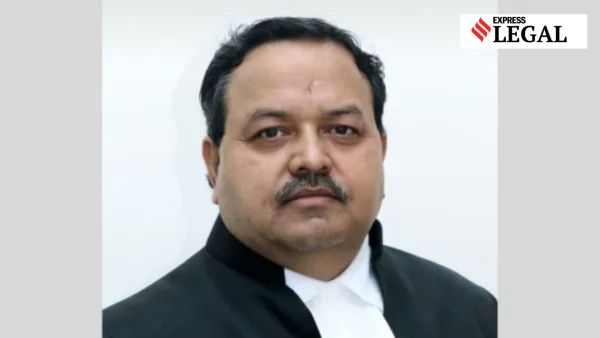 Justice Naresh Kumar Chandravanshi said that showing leniency in such cases could adversely affect the discipline and functioning of the force.
