“The rejection of the claim by OPs on the flimsy ground that the treating hospital was not having 15 beds does not hold any ground,” the commission said on September 9, setting aside the rejection and holding the two opposite parties (insurer and TPA) jointly and severally liable for deficiency in service.
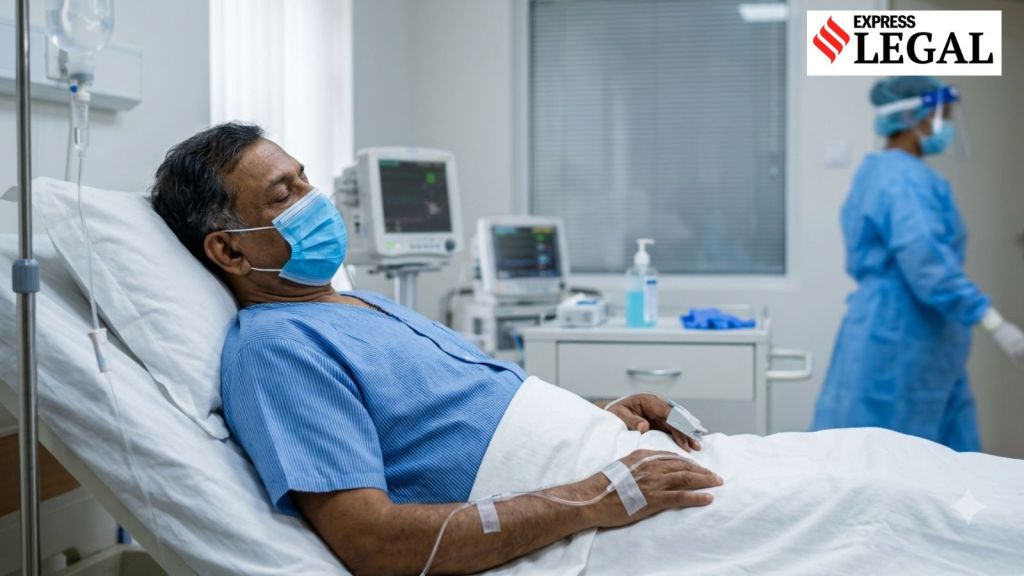
The case arose from Prasad’s treatment during the Covid-19 pandemic in April 2021. His family medicare policy was valid from February 18, 2021 to February 17, 2022. On April 22, 2021, he developed breathing problems, and blood started oozing from his nose. A Covid test confirmed that he was positive. The next day, he went to Platinum Imaging Centre in Dayanand Vihar as his breathing problem worsened. He later secured admission at Balaji Hospital in Narela, where he was treated from April 24 to April 30, 2021.
Claim rejected over bed count
Prasad’s discharge summary recorded that he was Covid-positive. After being discharged, he experienced breathing problems again and left-leg numbness, and consulted doctors for further treatment.
He submitted documents relating to his reimbursement claim to the TPA on June 14 and June 17, 2021. He also complied with queries raised by the TPA in July and August. However, the insurer rejected the claim on October 15, 2021. It relied on the policy’s definition of a hospital, which required at least 10 inpatient beds in towns with a population below 10 lakh and at least 15 inpatient beds in other places, along with other conditions.
According to the insurer, Balaji Hospital had only 10 beds and hence did not meet the applicable 15-bed requirement. The rejection letter said the hospital was “only 10-bedded instead of at least 15 beds as per policy clause” and treated the claim as inadmissible.
Story continues below this ad
Prasad challenged the rejection and produced a certificate issued by Balaji Hospital stating that it was a 15-bedded hospital and that its registration procedure was underway. He also argued that the bed requirement should be considered in the circumstances prevailing during the Covid-19 pandemic, when patients were seeking treatment wherever they could secure admission.
Covid-era guidelines
The commission examined Covid-era directions of the Insurance Regulatory and Development Authority of India (IRDAI) on treatment at makeshift or temporary hospitals permitted by the central or state governments. It noted that, in specified cases, such facilities could be treated as hospitals for settling Covid-19 claims.
It also considered an IRDAI circular dated March 4, 2020 requiring settlement of admissible coronavirus treatment expenses under the policy and applicable regulations. In this context, and after considering Balaji Hospital’s certificate stating it had 15 beds, the commission held that Prasad’s claim could not be rejected solely over the hospital’s bed count.
Setting aside the rejection, the commission held the insurer and TPA jointly and severally liable in equal proportion for deficiency in service and directed them to pay Rs 1,85,700 with 7 per cent annual interest from May 9, 2022, the date of filing of the consumer complaint, until realisation. It also awarded Rs 20,000 as compensation for mental agony and harassment, inclusive of litigation expenses.
Story continues below this ad
The amount must be paid within 30 days of receipt of the order. On failing to do so, the awarded amount would carry interest at 9 per cent per annum from September 9, the date of the order, until realisation.
Takeaway
During exceptional situations such as the Covid-19 pandemic, insurers must consider applicable regulatory directions before rejecting a claim solely over a hospital’s bed count. In this case, the commission also considered the hospital’s certificate and the Covid-era IRDAI guidelines before setting aside the rejection.
For consumer-related grievances, individuals may contact the consumer helpline in their respective states (Delhi: 1800-11-4000) or call the National Consumer Helpline at 1915 for assistance.
Don’t miss out on these stories:
Tour agency fails to arrange complimentary foreign trip, Kerala man wins Rs 2 lakh
Story continues below this ad
Rs 7.9 lakh cheque cleared with forged sign? Bank of Baroda asked to pay Rs 8.5 lakh
Shop charges Rs 7 above MRP for water bottle, ordered to pay Rs 7 lakh in damages