4 min readNew DelhiSep 9, 2026 07:00 PM IST
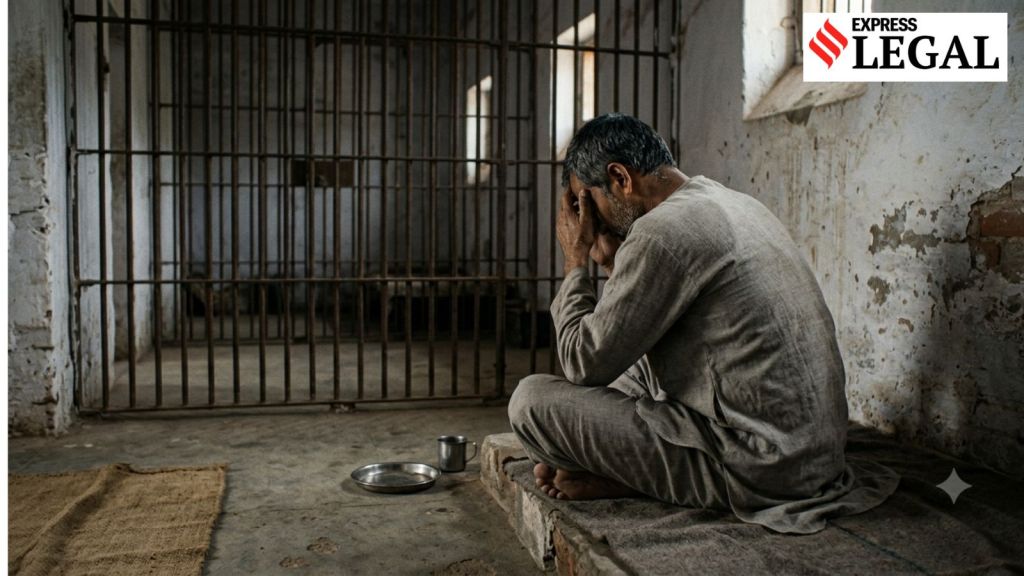
A man had finished his six-month jail sentence, but he was still behind bars more than a year later because authorities were waiting for Bangladesh to confirm his nationality. The Meghalaya High Court has now questioned why a delay in verifying his nationality should keep him behind bars after he had completed his sentence, warning that continued detention could lead to compensation.
Chief Justice Revati Mohite Dere and Justice W Diengdoh were hearing a matter related to the continued imprisonment of the Bangladeshi national. The court was informed by the assistant advocate general (AAG) that although the man had completed his six-month sentence, he remained in prison for more than a year as verification of his nationality was being carried out by the assistant high commissioner of Bangladesh.

“We are constrained to observe that if Bangladeshi National is continued to be kept in prison beyond his sentence, we may be constrained to grant compensation to him. It is obligatory on the part of the authorities to initiate and take steps with the Assistant High Commissioner of Bangladesh when the case was initiated. Just because no response is received from the Commissioner is not a justification to keep someone beyond the prison term,” the court said on September 8.
The court’s concern was that the Bangladeshi man had remained in prison even after the sentence imposed on him had ended, while the process of verifying his nationality was still pending. The bench made it clear that the absence of a response from the Bangladesh assistant high commissioner could not, by itself, justify keeping him in prison beyond his sentence.
Chief Justice Revati Mohite Dere and Justice W. Diengdoh directed the IG Prisons to appear and clarify the post-release arrangements for the Bangladeshi national. (Image enhanced using AI)
‘Illegal detention’ after sentence ends
The court was informed by the authorities that the Bangladeshi national had completed his six-month sentence but was still in prison for more than a year because his nationality was being verified by the assistant high commissioner of Bangladesh.
The bench rejected the explanation offered by the AAG and observed that the Bangladeshi prisoner “ought to have been kept in a detention centre having completed his sentence or deported”. The court made it clear that completing a prison sentence and completing the administrative formalities that may follow are two different things. It said, “Detaining the Bangladeshi national beyond his sentence period, amounts to illegal detention of the said national.”
The order records that the prisoner had already completed his six-month sentence, yet continued to remain in prison for more than a year while his nationality was being verified. The court did not accept the pending verification as sufficient justification for his continued imprisonment.
Story continues below this ad
The bench also made it clear that authorities could not simply wait indefinitely for a response from a foreign authority while keeping the prisoner behind bars. It acknowledged that obtaining a response from the Bangladesh assistant high commissioner could take months or even years. But the court said this did not mean the prisoner should remain in jail during that period after completing his sentence.
“It may take months/years for the prison authorities to get a response from the Bangladesh Assistant High Commissioner, however, that does not mean that the prisoner has to continue languishing in jail despite having completed his sentence,” the bench said.
The high court took note of the seriousness of the matter and directed the inspector general of prisons to be personally present before it on September 9. The officer was asked to inform the court where the Bangladeshi national would be kept post his release, with the bench noting that the prisoner had completed his sentence “almost a year ago”.




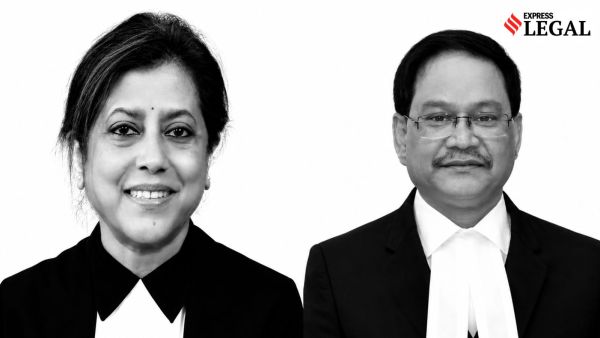 Chief Justice Revati Mohite Dere and Justice W. Diengdoh directed the IG Prisons to appear and clarify the post-release arrangements for the Bangladeshi national. (Image enhanced using AI)
