3 min readNew DelhiSep 8, 2026 10:59 AM IST
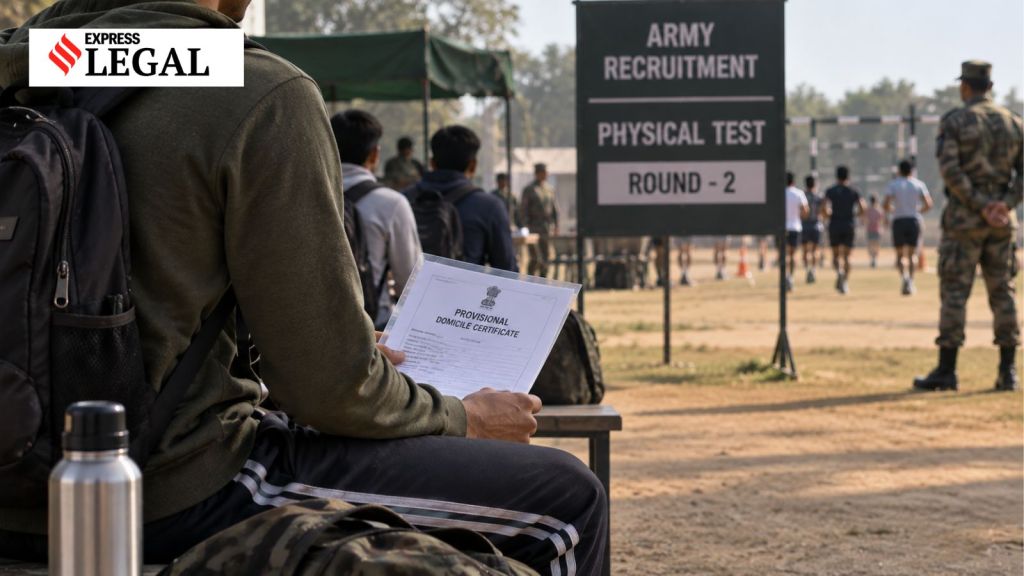
In a major relief to an Army aspirant, the Calcutta High Court recently directed state authorities to issue him a provisional domicile certificate. The candidate had faced a major hurdle after his name was deleted from the voter list, threatening his eligibility for the upcoming physical examination.
The court noted that the aspirant had already been shortlisted and passed the first round of the recruitment process, but was required to submit a domicile certificate for the next phase of the physical examination.

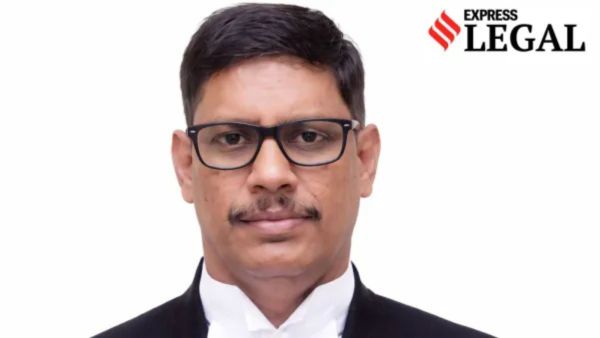
To ensure that the voter-list dispute did not derail his Army recruitment opportunity, Justice Krishna Rao ordered the authorities to issue the aspirant, one Sourav Sarkar, a provisional domicile certificate if he was otherwise eligible,
“The sub-divisional officer, Basirhat, is directed to provide a provisional domicile certificate to the petitioner if the petitioner is otherwise eligible, other than the condition that the name of the petitioner is deleted from the voter list,” the September 3 order read.
The court ordered that Sarkar be given a temporary domicile certificate, provided he promises to hand it back within a week if he loses his appeal.
Justice Krishna Rao noted that the aspirant had already been shortlisted and passed the first round of the Army recruitment process.
No physical test without domicile
The court noted that the man’s physical examination is in September and found that without the domicile certificate, he will not be allowed to participate in the physical examination test by the defence authorities.
Sarkar was represented by advocates Asif Dewan and Mehedi Masud, who pointed out that after his name was deleted from the voter list, the authorities were not providing him with a domicile certificate. The lawyers sought a direction to the appellate authority for early disposal of Sarkar’s appeal so that he could obtain the domicile certificate and appear for the scheduled physical examination.
Story continues below this ad
Around 1,468 names were added back to the electoral roll ahead of the second phase of the West Bengal Assembly elections after being cleared by appellate tribunals. However, several voters whose names remain missing from the electoral rolls have continued to approach the tribunals seeking relief.
The court asked the appellate tribunal to handle Sarkar’s appeal as quickly as possible, ideally within a week of getting the order.
The state was represented by government pleader D N Ray, while the Election Commission of India was represented by advocate Anamika Pandey.




 Justice Krishna Rao noted that the aspirant had already been shortlisted and passed the first round of the Army recruitment process.
