


Stay updated with the latest - Click here to follow us on Instagram
© The Indian Express Pvt Ltd
Tags:


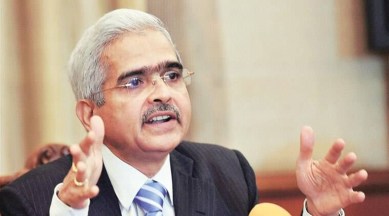
WITH FOCUS on reviving the country’s Covid-hit economy, the Reserve Bank of India’s Monetary Policy Committee (MPC) Friday slashed its growth projection, kept main policy interest rates unchanged, and unleashed a host of measures to support businesses and ensure their access to liquidity.
Unveiling the bi-monthly monetary policy, the RBI unveiled a Rs 15,000-crore liquidity window for contact-intensive sectors like hotels and tourism, and announced securities purchases of Rs 40,000 crore in June and Rs 1.2 lakh crore in the September quarter.

It also increased the coverage of borrowers under the one-time debt resolution framework scheme by enhancing the maximum exposure limit from Rs 25 crore to Rs 50 crore for micro, small and medium enterprises (MSMEs), small businesses and business loans to individuals.
The RBI also announced a fresh Rs 16,000-crore liquidity line to Small Industries Development Bank of India (SIDBI) for on-lending to MSMEs.
Making it clear that it will maintain an accommodative stance to revive growth, the central bank’s six-member panel pared India’s GDP growth forecast for the current financial year by 100 basis points to 9.5 per cent for the fiscal 2021-22 because of the uncertainties created by the second Covid wave.
The RBI panel, after a three-day meeting, kept the key policy rate (Repo rate, or the RBI’s lending rate to banks) unchanged at 4 per cent for the sixth time in a row and reverse repo rate (RBI’s borrowing rate from banks) at 3.35 per cent.
The panel, headed by RBI Governor Shaktikanta Das, said the second wave has altered the near-term outlook, necessitating urgent policy interventions, active monitoring and further measures to prevent emergence of supply chain bottlenecks and build-up of retail margins.
“The impulses of growth are still alive,” Das said while unveiling the policy. “We will continue to think and act out of the box, planning for the worst and hoping for the best.”
According to the Governor, the sudden rise in Covid cases and fatalities has impaired the nascent recovery that was underway, but not extinguished it.
Under the contact-intensive scheme announced by the RBI, banks can provide fresh lending support to a range of businesses hit by the various pandemic curbs imposed in states.
They include hotels and restaurants, tourism-travel agents, tour operators and adventure/ heritage facilities, aviation ancillary services (ground handling and supply chain, and other services that include private bus operators), car repair services, rent-a-car service providers, event/ conference organisers, spa clinics, and beauty parlours/ saloons.
On May 5, the RBI had announced an on-tap liquidity window of Rs 50,000 crore for ramping up Covid-related healthcare infrastructure and services in the country.
“At this juncture, policy support from all sides — fiscal, monetary and sectoral — is required to nurture recovery and expedite return to normalcy,” MPC said in its resolution.
The MPC suggested that the monetary policy will remain accommodative as long as necessary for “to revive and sustain growth on a durable basis and continue to mitigate the impact of Covid-19 on the economy, while ensuring that inflation remains within the target going forward.”
The MPC also revised its estimate for consumer price index (CPI) inflation up by 10 basis points to 5.1 per cent for FY22. That is within its flexible inflation band of 2-6 per cent. The panel noted that while rising international commodity prices and logistics costs pose upside risks to inflation, a good monsoon and relaxation of lockdowns that will mitigate disruptions to supply chains would ease cost pressures.
SBI chairman Dinesh Khara said the policy announcements are “clearly focused on extending liquidity support to stressed sectors by a more equitable distribution”. “The growth and inflation numbers have been revised looking at the current uncertain environment. Overall, the coordinated and active efforts of the RBI and Government will support growth on a more durable basis during these difficult times,” he said.


Stay updated with the latest - Click here to follow us on Instagram


