Bones behind the bungalow: How the Nithari serial killing case unravelled
Surinder Koli Nithari case: Pandher and Koli were accused of raping and killing 19 girls, and then cutting up the bodies in a gruesome bid to hide each crime.
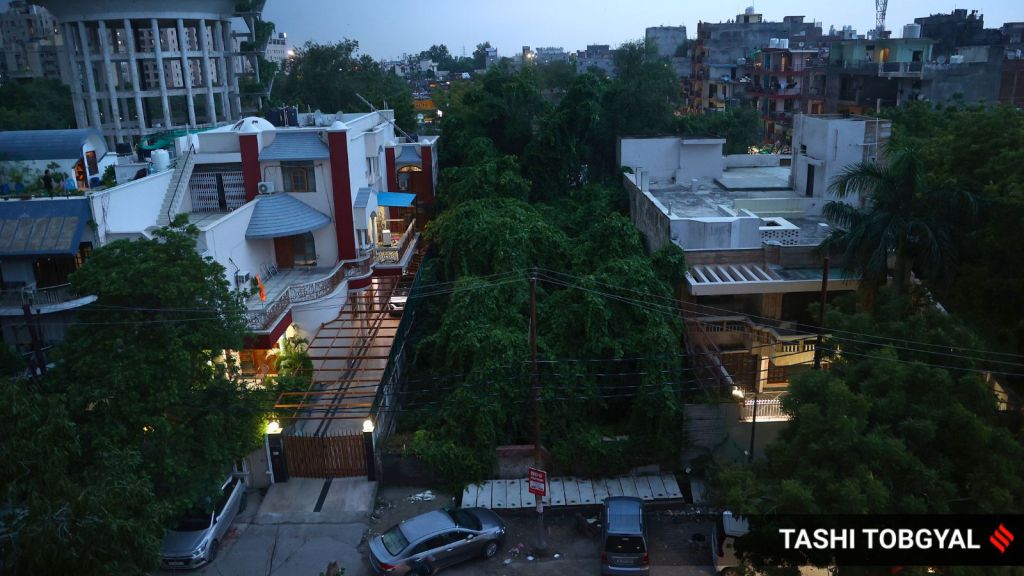
Nithari serial killing: In 2006, a drain behind the house in Noida’s Sector 31 revealed a horrific sight — human skulls, skeletal remains, and fragments of clothes of 19 missing girls were found stuffed in gunny bags.
Local police have been circumspect so far, and have refused to comment beyond confirming the identity. Reports said Koli moved to Haridwar – his family is from Almora, roughly 300km away – a few months ago. Why? That is unclear at this time.
The Nithari serial killings
Between 2005 and 2006 a killer stalked Nithari, a small urban village in Noida.
Girls and young women kept vanishing – 19 of them – and their families were left chasing whispers and shadows in a quest just to be heard. But one by one they were turned away; the police shrugged, apparently either unwilling or unable to help.
‘She ran away’ or ‘she must have eloped’ were some of the responses.
It wasn’t till May 2006 and the disappearance of Payal Sarkar that the horror story came to light. And it wasn’t till December of that year that the bodies were found. They were found – dismembered and decomposed, some of them worn down by time to skeletal remains – in the drains behind a bungalow in Noida’s Sector 31.
Media reports from that time read like a horror story.
Story continues below this ad
From the drains behind and between that house and its neighbour, the police began pulling out skulls, bone fragments, torn dresses, and children’s toys. A school bag – dirty and torn and faded, roiled in mud – bore silent witness.
Surendra Koli suicide news: Koli was a Dalit from Uttarakhand. (Express Photo/File)
Moninder Singh Pandher owned the house – D-5, Sector 31, Noida. Koli was his domestic help.
The Express spoke to Jhabbu Lal – a dhobi who sat opposite D-5 and who used to sometimes chat with Pandher. His daughter Jyoti, 10, was among the victims. He recalled one instance when Koli gave him one of Pandher’s shirts, it was blood-stained.
Story continues below this ad
“He (Koli) said it was from ‘sahab‘ slaughtering a chicken…”
Moninder Singh Pandher in Noida. (Express file photo by Gajendra Yadav) 24.07.2017.
By Christmas of 2007 Pandher and Koli were arrested, and Koli ‘confessed’.
NITHARI CASE · TIMELINE
The Nithari Case: From Vanished Girls To A Death In Haridwar
2005 — 2026
19
Girls who vanished
19
Years Koli was in custody
12
Cases he was acquitted in
Phase One — The Disappearances
2005 — 2006
Girls and young women start vanishing from Nithari, a small urban village in Noida — 19 in total. Families chasing answers are turned away: "she ran away", "she must have eloped".
May 2006
Payal Sarkar disappears. Her case is the one that finally brings the horror to public attention.
December 2006
Bodies are found. Skulls, bone fragments, torn dresses and children's toys are pulled from the drains behind D-5, Sector 31 — the house of Moninder Singh Pandher.
December 2007
Pandher and his domestic help, Surendra Koli, are arrested. Koli reportedly "confesses" while in custody.
Phase Two — Convictions And Death Sentences
February 2009
First conviction. Pandher and Koli are convicted of murdering 14-year-old Rimpa Haldar and sentenced to death.
May — September 2010
Koli is convicted twice more — for killing seven-year-old Arti Prasad, then nine-year-old Rachna Lal.
February 2011
The Supreme Court upholds the death sentence.
July — September 2011
President Pranab Mukherjee rejects a mercy plea; a death warrant is issued against Koli soon after.
September 12, 2014
Koli's execution is scheduled for this date.
Phase Three — The Case Unravels
October 2023
Acquittal. The Allahabad High Court acquits Koli in all 12 cases against him, and Pandher in the two he faced — calling the investigation "casual and perfunctory".
July 2025
The Supreme Court dismisses the state's appeals, calling the earlier verdict a "manifest miscarriage of justice". By now Koli has spent 19 years in custody, Pandher over a decade.
September 2026 — Friday
Koli is found dead near a Haridwar tea stall, apparently by suicide — a few months after moving from his family's home in Almora, roughly 300km away. Police confirmed his identity but have declined further comment.
Neither Koli nor Pandher, the courts eventually said, had anything to do with the deaths. The case leaves one question officially unanswered: who killed the 19 girls of Nithari?
Angry with the police for having dragged their feet for months – in which time more girls were raped and killed – there were violent clashes between residents and cops. The police were corrupt, the grief-stricken families raged.
Story continues below this ad
Six cops were sacked amid claims some had colluded with Pandher. But then, two years later, Sub-Inspector Simarjeet Kaur – then in charge of the police outpost in the village – got her job back. She spent time in jail for allegedly accepting a bribe.
There were rumours also of human trafficking, that the girls were being abducted and killed for their organs. There was a doctor who lived near Pandher whom the police suspected in an unrelated illegal kidney transplant racket. Was he in on this?
What Police Found Behind The Nithari House
In the drains behind and between D-5, Sector 31, Noida — the house owned by Moninder Singh Pandher — and its neighbour.
Recovered From The Scene
☠
Skulls
Pulled from the drains behind the house, among the first remains found.
☠
Bone fragments
Some remains had been worn down by time to skeletal fragments.
✂
Torn dresses
Clothing belonging to some of the victims, recovered from the debris.
◆
Children's toys
Found alongside the remains and clothing in the drains.
▤
A torn school bag
Dirty, faded and mud-roiled — it "bore silent witness", Express reporters noted.
✦
A blood-stained shirt
Koli gave it to a local dhobi to iron, saying it was from "sahab" — Pandher — "slaughtering a chicken".
✕
A knife and an axe
'Recovered' from the house — this evidence was later dropped amid doubts over the investigation.
☠
More remains, later
After the CBI took over: a skull, a torso, and parts of a leg.
Media reports from the time read like a horror story. What began as a search for missing girls became a years-long reckoning with how the case against Koli and Pandher was built — and how it eventually fell apart.
Pandher’s maid – Maya – was questioned too. Did she lure some of the girls?
There were even rumours of cannibalism.
The web of suspicion and unease spread relentlessly.
Much was claimed but little was proven. The ‘strained’ relationship between Pandher and his family was a dead end. Old kidnapping cases in Chandigarh, his hometown, were dug out of storage and a link was sought. Then they were dropped.
Story continues below this ad
In early January the Central Bureau of Investigation took over the case, and more skeletal remains were found: this time a skull, a torso, and parts of a leg.
The convictions
On paper it seemed an open-and-shut case.
Nineteen girls missing, a house of secrets and horror, and a ‘confession’. The verdict that opened the floodgates came in February 2009. Pandher and Koli were convicted of murdering 14-year-old Rimpa Haldar, and sentenced to death.
In May 2010 Koli was found guilty of killing seven-year-old Arti Prasad. In September, he was found guilty of murdering nine-year-0ld Rachna Lal.
The verdicts kept coming. The death sentences piled up. By the December 2012 verdict in the murder of Kavita, 5, he was to have been put to death five times.
Story continues below this ad
In February 2011 the Supreme Court agreed. In July the President of India – then Pranab Mukherjee – rejected a plea. In September a death warrant was issued.
Koli was to be hanged on September 12, 2014.
And then it fell apart
Questions over flawed investigation protocols and poor record-keeping counted against the police. A knife and axe ‘recovered’ from the Nithari house were dropped.
Questions over the police failing to properly investigate the neighbour – the doctor – and disregard for some evidence, including how the bodies were cut, were flagged.
And questions over when exactly Koli was taken into custody – December 27 or December 29, added to the confusion. The difference was key; it meant Koli may have been illegally detained by the police before being produced in court.
Story continues below this ad
NITHARI CASE · HOW IT UNRAVELLED
How The Case Against Surendra Koli Collapsed
A 'confession', a custody-date discrepancy, and evidence that didn't hold — 19 years after his arrest, the courts found the case against him fell apart.
A KEY DISCREPANCY
December 27 — or December 29?
Questions over flawed investigation protocols and poor record-keeping counted against the police from the start. Chief among them: when exactly was Koli taken into custody — December 27 or December 29, 2007? The difference was not a technicality. It meant Koli may have been illegally detained by the police before being produced in court — which is illegal under law. That single unresolved date became the thread that, pulled on, began to unravel the case.
THE 'CONFESSION'
Recorded under duress, Koli alleged
The confession that anchored the prosecution's case was, Koli later alleged, extracted through torture — not given freely.
⚡
Electric shocks and beating
Koli said he was reportedly tortured, including being subjected to electric shocks and beaten, then told what to say.
✕
Burns and pulled fingernails
He claimed his genitals were burned and his fingernails pulled out during interrogation.
The story that began to emerge was not of a killer but a Dalit man cast as a depraved villain, underlining systemic, socio-cultural inequalities that remain today.
— The Indian Express
THE PROSECUTION'S CASE
What didn't hold up
Beyond the confession, the physical case against Koli and Pandher thinned under scrutiny.
🗡
The knife and axe were dropped
A knife and axe 'recovered' from the Nithari house — once part of the case — were dropped as evidence.
?
The neighbour-doctor angle, unexamined
Questions were raised over the police failing to properly investigate a neighbouring doctor — suspected in an unrelated illegal kidney transplant racket — and over disregard for evidence, including how the bodies were cut.
19
Years Koli spent in custody
12
Cases he was acquitted in
10+
Years Pandher spent in custody
OCTOBER 2023
Allahabad High Court acquits both men
The court acquitted Koli in all 12 cases against him, and Pandher in the two he had faced. It was left "disheartened" by the prosecution's handling of the arrest, confession and evidence recovery — calling it all "casual and perfunctory".
JULY 2025
Supreme Court dismisses the state's appeal
The top court called the earlier conviction a "manifest miscarriage of justice". Neither Koli nor Pandher, the courts eventually said, had anything to do with the deaths. Who killed the 19 girls of Nithari remains officially unanswered.
TAGS
Nithari killingsSurendra KoliMoninder Singh PandherAllahabad High CourtSupreme Court
The confession was allegedly recorded under duress – he was reportedly tortured, including being subject to electric shocks, and beaten, and then told what to say. He claimed his genitals were burned and fingernails pulled out.
The story that began to emerge was not of a killer but a Dalit man cast as a depraved villain, underlining systemic, socio-cultural inequalities that remain today.
By October 2023, the Allahabad High Court acquitted Koli in all 12 cases against him, and Pandher in the two that he had faced. The court was left ‘disheartened’ by the prosecution’s handling of the arrest, confession and evidence recovery.
Story continues below this ad
It was all in a ‘casual and perfunctory’ manner, the court complained.
The state’s appeals against the acquittals were dismissed by the Supreme Court in July 2025. The top court called the earlier verdict a ‘manifest miscarriage of justice’.
By then Koli had spent 19 years in custody. Pandher spent over a decade. Neither, the courts eventually said, had anything to do with the deaths. But then who killed the 19 girls?
Chandrashekar is a senior editor with over 17 years of experience in reporting, writing, editing, and curating digital news content. He has worked with leading media organisations, including NDTV and Hindustan Times, handling high-impact coverage across politics, international affairs, conflict, and public policy.
Over the years, he has written and edited news reports, explainers, analyses, profiles and opinion pieces for diverse audiences, focusing on breaking news, political forces shaping India and the world, economic policy, and global security.
He has also helped shape editorial guidelines and train junior writers and editors. His expertise includes headline writing, search and audience optimisation, content packaging, and developing editorial standards for fast-changing news environments. His approach to journalism is rooted in accuracy, context and the belief good analysis should help readers what happened and why it matters. ... Read More




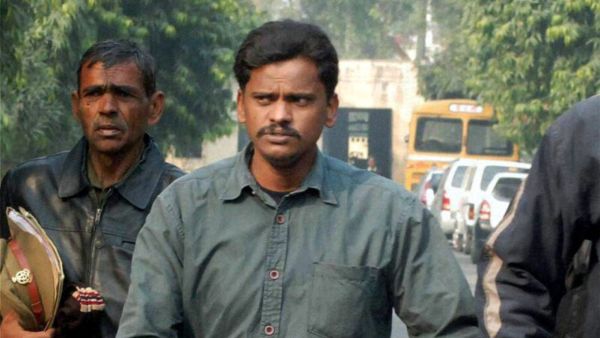 Surendra Koli suicide news: Koli was a Dalit from Uttarakhand. (Express Photo/File)
 Moninder Singh Pandher in Noida. (Express file photo by Gajendra Yadav) 24.07.2017.
