3 min readNew DelhiSep 8, 2026 07:20 PM IST
First published on: Sep 8, 2026 at 02:49 PM IST
On the night of September 6, Chandan Miroda Devi was preparing to go to bed when she heard commotion outside her ground-floor home in South Delhi’s Kilokari village.
She heard people shouting and screaming. Frightened, she did not open the door but tried to see what was happening through the peephole.

“As the commotion continued, I went to the terrace and saw two men on their mobile phones, shouting and repeatedly calling out to others, saying, ‘Idhar aao, idhar aao (come here, come here)’,” she said.
She said she tried to ask the men what was wrong but they didn’t respond.
Assuming it was a minor altercation, and since her daughter was with her, she did not intervene. She went to sleep.
It was only later that she learnt that Manipuri singer Chongtham Vikram Singh, her neighbour who lived with his family on the third floor, had allegedly been thrashed to death.
Spot where Chongtham Vikram Singh, was beaten to death after complaining about noise at a dhaba near his residence on September 6. (Express Photo by Abhinav Saha)
Singh, 55, was allegedly chased and assaulted by eight eatery workers in the stair lobby of the building before being killed.
The incident has left the North East community shaken. On Monday night, several of them held a candlelight march from Sunlight Colony Police station to Vikram’s home.
‘He would always greet us with a smile’
Devi has lived in the building for around seven to eight years. Singh and his family had been there for slightly longer.
The two families belonged to the same community, and she remembered Singh as a kind and pleasant man who would usually greet people with a smile.
Whenever Singh’s family brought vegetables from Manipur, particularly those grown there, they would share them with her, she recalled. Devi had also previously worked with his wife, Joshna, whom she described as equally kind.
Inside the building in South Delhi’s Kilokari village where the Manipur musician lived with his family. (Express Photo by Abhinav Saha)
Looking back, she said the noise that night had not seemed unusual. The dhaba operating in the area often remained noisy at night, with people working there shouting while handling packaging and other work. Similar sounds had been heard before, she said.
The incident brought to fore the discrimination faced by people from the Northeast. Devi said she herself had been called names such as “Chinese”, “Chinki” and “momo” in Delhi, and that such remarks had become common enough that she would generally confront people when they made them.
“It is particularly painful that such experiences continue in Delhi, the national capital, where students and working professionals from across the country come in search of education, employment and better opportunities,” she added.

 Chongtham Vikram Singh (left) was 55 and is survived by his wife and a son. (Special Arrangement)

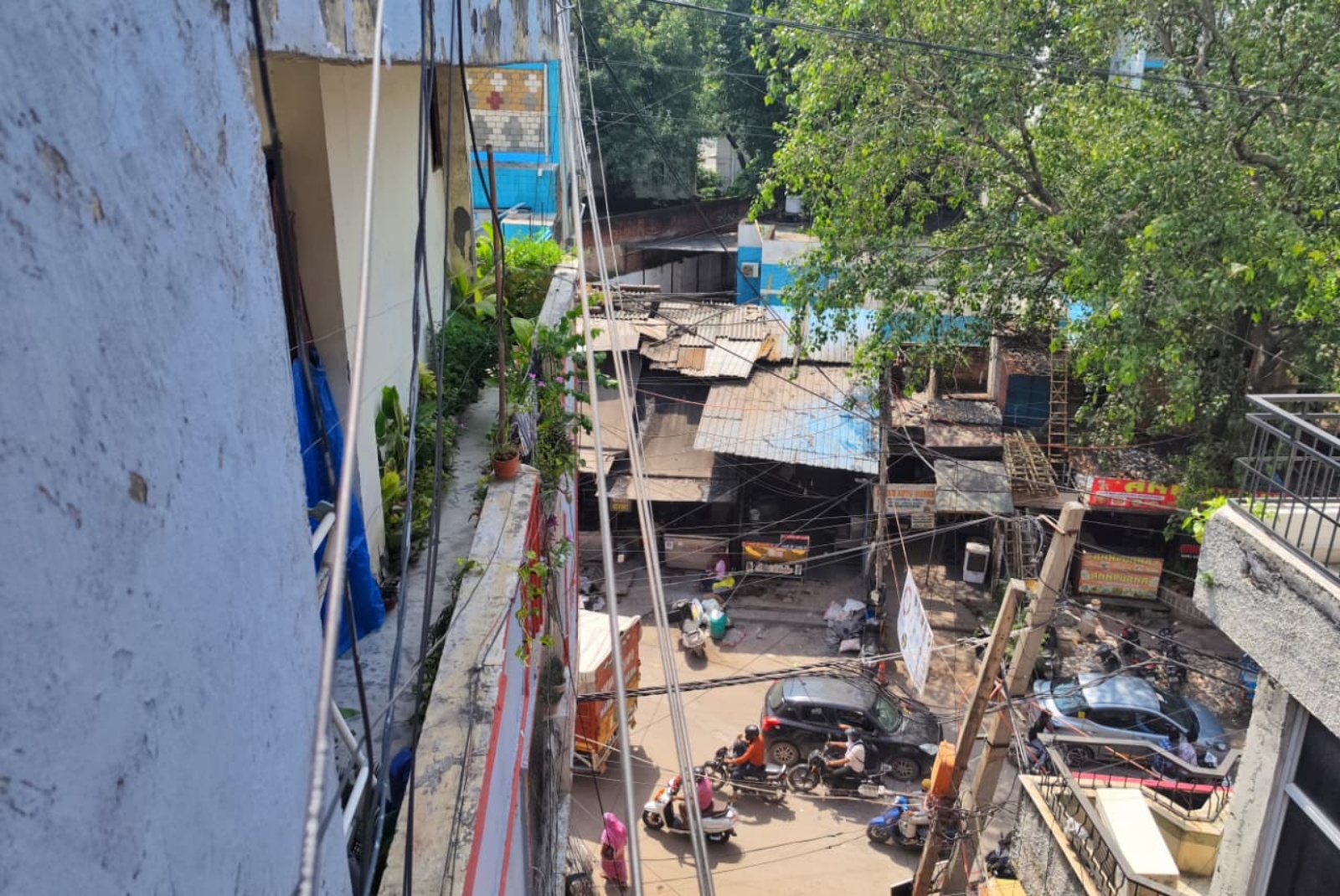 Spot where Chongtham Vikram Singh, was beaten to death after complaining about noise at a dhaba near his residence on September 6. (Express Photo by Abhinav Saha)
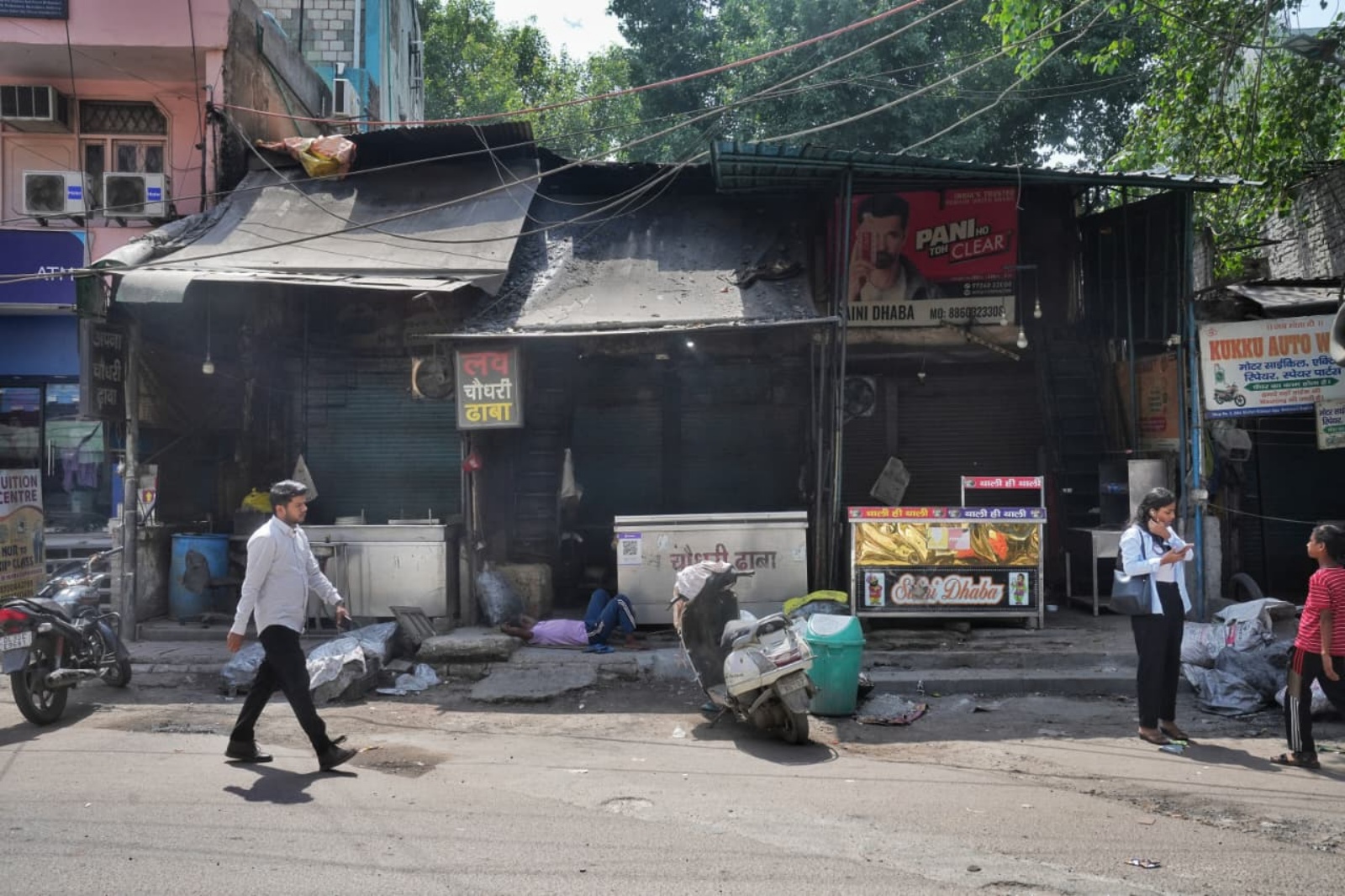 Inside the building in South Delhi’s Kilokari village where the Manipur musician lived with his family. (Express Photo by Abhinav Saha)


 Share


