3 min readNew DelhiMar 29, 2014 12:45 AM IST
First published on: Mar 29, 2014 at 12:45 AM IST
 The Court said the provisions of the Juvenile Justice Act were ‘unambiguous’ in conveying the intention of the legislature to put all persons below the age of 18 in one class.
Refusing to lower the age of juvenility from 18 years and the corresponding protection, the Supreme Court on Friday turned down a plea by the parents of December 16 gangrape victim to put the juvenile convict on criminal trial in view of the gravity of his crime.
A three-judge bench, led by Chief Justice of India P Sathasivam, rejected two pleas, filed by BJP leader Subramanian Swamy and the parents of the gangrape victim. The pleas had challenged the constitutional validity of the Juvenile Justice (Care and Protection of Children) Act 2000.
“If the legislature has adopted the age of 18 as the dividing line between juveniles and adults and such a decision is constitutionally permissible, the enquiry by the courts must come to an end. Even otherwise there is a considerable body of world opinion that all under 18 ought to be treated as juveniles and separate treatment ought to be meted out to them so far as offences committed by such persons are concerned,” the bench, also comprising Justices Ranjan Gogoi and S K Singh, said.
The court said the provisions of the Juvenile Justice Act were “unambiguous” in conveying the intention of the legislature to put all persons below the age of 18 in one class and provide a separate scheme of investigation, trial and punishment for offences committed by them.
“This is being done to further/effectuate the views of the international community, which India has shared by being a signatory to the several conventions and treaties already referred to,” the court said.
The 23-year-old victim’s father had sought a direction to declare as unconstitutional and void the Act to the extent it put a blanket ban on the power of criminal courts to try a juvenile offender for offences committed under the IPC.
In his petition, Swamy had said the Act provided for a “straitjacket” interpretation of the term “juvenile” and that it was in violation of the United Nations Convention for the Rights of the Child and Beijing Rules.

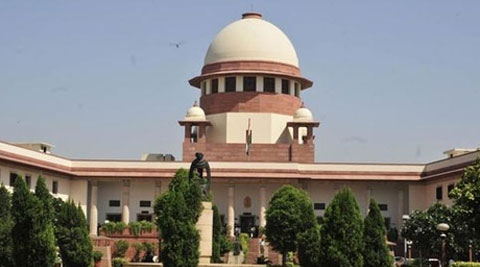 The Court said the provisions of the Juvenile Justice Act were ‘unambiguous’ in conveying the intention of the legislature to put all persons below the age of 18 in one class.

 Share


