
Highest fluorine contamination in groundwater in Rajasthan; Jaisalmer worst-affected in India: study
Excess fluoride increases the risks of disease conditions like skeletal fluorosis, accelerates the rate of dental decay and can cause other human health hazards, especially among children.
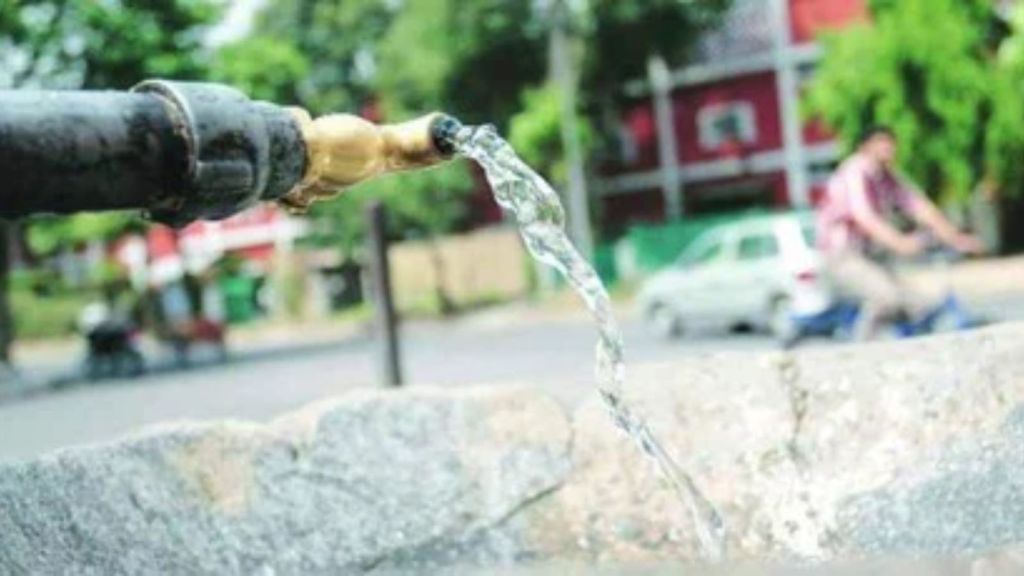 The latest study by a team from the Hyderabad-based National Remote Sensing Centre (NRSC) noted that the fluoride contamination was found to be highest during the dry, summer pre-monsoon months. (File Photo)
A pan-India analysis of fluoride contamination in groundwater found above-permissible levels of the mineral across states of Rajasthan, Telangana, western Andhra Pradesh and eastern Karnataka as well as parts of Haryana, Gujarat, Madhya Pradesh, Tamil Nadu, Uttar Pradesh, Jharkhand, Bihar and Chhattisgarh.
The groundwater state in the country with respect to fluoride was arrived at after analysing 6.66 lakh observations.

Excess fluoride increases the risks of disease conditions like skeletal fluorosis, accelerates the rate of dental decay and can cause other human health hazards, especially among children.
Even though fluoride is among the many minerals found naturally in groundwater, the nationally permissible limit is 1.50 milligrams/litre. Contamination over 1.50mg/litre is deemed unfit for drinking purposes. Considered among the 13 most abundant elements, fluoride (ionic form of fluorine element) forms 0.06 – 0.09 per cent of the Earth’s crust. Following the process of leaching and dissolution of fluoride-bearing minerals present in the host water aquifers underneath, fluoride is released and mixes with the groundwater.

 Share


