


Journalism of Courage
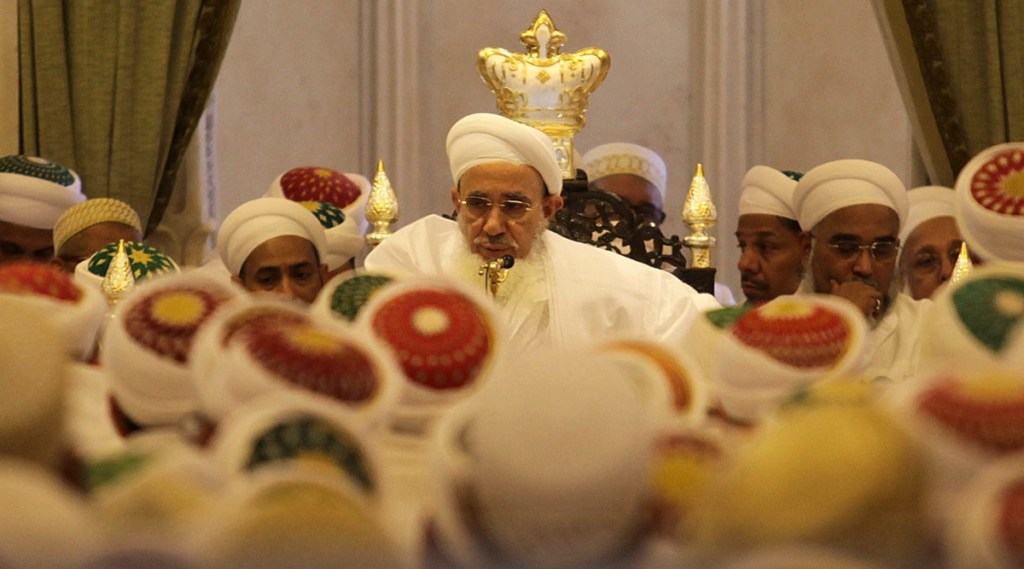 The constitutional validity of the practice in the Dawoodi Bohra community to excommunicate members has been challenged before the Supreme Court. (Express Archives)
The Supreme Court on Friday referred a petition challenging the constitutional validity of the practice in the Dawoodi Bohra community to excommunicate members, to the nine-judge bench which will examine questions arising out of petitions filed seeking review of the September 28, 2018, Sabarimala judgment.
In 1962, the Supreme Court had upheld the practice in the Sardar Syedna Saifuddin v State of Bombay case and struck down the Bombay Prevention of Excommunication Act, 1949 saying it violated the fundamental right of a religious denomination to manage its own affairs. On Friday, a Constitution bench presided by Justice S K Kaul said the 1962 judgemnt needed a relook.
The bench, also comprising Justices Sanjiv Khanna, Abhay S Oka, Vikram Nath and JK Maheshwari, held that the consideration was needed mainly on two grounds: balancing the rights under Article 26(b) – right of religious denominations to manage their own affairs in matters of religion — and Article 21 — whether the practice can be protected under Article 26(b) when tested on the touchstone of constitutional morality.
The court said both these issues are covered by questions pending for the consideration of the nine-judge bench and requested the Chief Justice of India to tag it with the matters pending before the nine judges.
The Supreme Court had reserved its judgment in the matter in October last year. On September 28, 2019, the apex court had by a 4:1 verdict held that the devotees of Sabarimala deity Lord Ayyappa do not constitute a separate religious denomination and therefore cannot claim the benefit of Article 26 of the Constitution of India. It also concluded that exclusion of women between the ages of 10 to 50 years from entry into the temple is violative of Article 25 of the Constitution.
This was challenged by way of review petitions when the court by a 3:2 decision referred the questions of law to a larger bench.