5 min readNew DelhiUpdated: Sep 21, 2026 03:48 PM IST
A Tyeb Mehta painting worth Rs 27 crore, a Manjit Bawa valued at over Rs 7.7 crore… and 63 more works by some of India’s most celebrated artists.
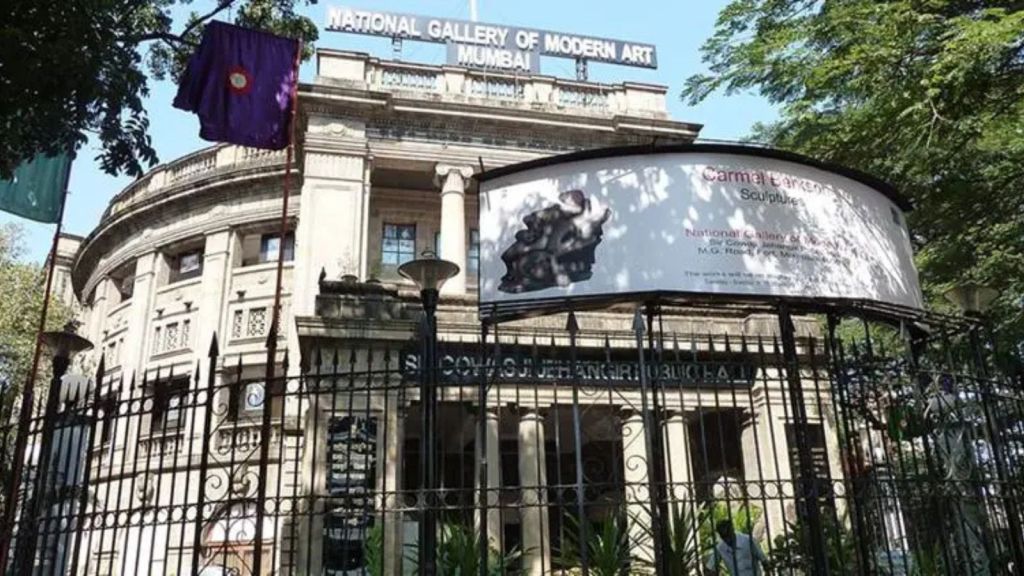
All these are currently with the National Gallery of Modern Art (NGMA), Mumbai, but not on display. The reason: These are seized artworks belonging to accused persons facing trial in the Rs 34,000-crore Dewan Housing Finance Limited (DHFL) “fraud” case.

However, the NGMA now wants to display the artworks. On August 5, NGMA Mumbai Director Nidhi Choudhari, an IAS officer, sought the permission of the Central Bureau of Investigation (CBI) to display these works as part of the gallery’s curated exhibitions. In response to the request, the CBI has since moved an application before Special Judge Sanjeev Kumar Malhotra of Rouse Avenue Court.
Sixty-five paintings and three sculptures have been lying in the museum’s storage for close to two years. The artworks include Bull by Tyeb Mehta, valued at over Rs 27 crore; a Manjit Bawa work estimated at over Rs 7.7 crore; S.H. Raza’s Village, an oil-on-canvas work from 1956 valued at over Rs 3.50 crore; and a 1964 oil-on-linen work by F.N. Souza, valued at Rs 2 crore.
The artworks are linked to the DHFL bank “fraud” case. The case was registered on a complaint by the Union Bank of India, the lead bank of a 17-bank consortium that had extended credit facilities of over Rs 42,000 crore to DHFL since 2010. Of this, Rs 34,615 crore remains outstanding. The banks accused DHFL of siphoning off Rs 34,900 crore. According to the CBI, DHFL allegedly diverted Rs 11,700 crore to 87 shell companies, 81 of which were linked to the Wadhawan group – whose members are key accused in the case.
The route to NGMA
It goes back to September 6, 2024 when the then Special Judge Ashwani Kumar Sarpal was hearing a plea by Deepak Ravi Kapoor, a prosecution witness, seeking the return of two paintings by Manjit Bawa and Tyeb Mehta. The prosecution had put their market value at around Rs 30 crore.
The two paintings had been purchased by the Wadhawans from the online auction house ‘Astaguru’ on June 11, 2018. As per the court order, the CBI “could not dispute the fact that these costly paintings are required to be kept in proper atmosphere under controlled temperature, away from moisture, to be handled and stored in proper manner as well as to avoid any damage to it even caused through normal wear and tear etc, so that its value is not decreased due to passage of time.”
Story continues below this ad
“The apprehension of the applicant that the paintings will be destroyed or its value will be decreased while lying in the Malkhana of CBI can be removed by giving certain directions as the CBI is not well equipped to preserve the paintings in its Malkhana. The interests of the well known painters who had prepared these paintings are also required to be taken care of even though they had sold these paintings and received money,” the court had said.
The CBI had seized the paintings on July 8, 2022 from the house of a co-accused and argued before the court that they had been bought with diverted funds and were therefore “case property”. Subsequently, other artworks were also seized. All of these are now lying at the NGMA in Mumbai.
While the court rejected Kapoor’s plea for the return of the two paintings, it did not leave the works where they were.
“…in order to preserve the paintings and to avoid causing of any harm to it, it is directed to the CBI that these two paintings be shifted to National Museum or well known government museum or reputed art gallery including the National Art Gallery for proper preservation in controlled atmosphere, climate etc with directions to produce the same as and when required by the court,” the judge had said.
Story continues below this ad
“These paintings be kept there till the conclusion of the trial and all the expenses for its preservation in the above-mentioned museum or art gallery shall be incurred by the CBI unless the said institution waive such expenses at the request of the CBI,” the judge had said.
The issue resurfaced when a fresh application was moved by the CBI seeking necessary directions in connection with the NGMA letter dated August 5. The court took it up on September 8.
On September 14, lawyers representing the accused persons submitted that the NGMA director’s letter did not say that if the works were damaged “who will suffer that loss and whether they will get those paintings and sculptures insured in order to avoid any loss or damage”. Nor, they said, did the letter clarify “for which period the National Gallery of Modern Art, Mumbai wants to display the seized 65 paintings and 3 sculptures.”
A day later, the CBI told the court that the NGMA director was seeking permission to display the artworks in the gallery “on regular basis or till further directions of the court”. The court will now hear the plea on September 24.