THE INMATES working in the common kitchens of Punjab jails are being screened twice a day, while the new ones and those returning from the outside are being kept in separate isolation wards for at least three days as a measure against spread of COVID-19.
The information was submitted in a detailed reply filed on Monday before the Supreme Court by the Punjab government in the suo motu case regarding measures being taken against coronavirus inside the prisons. The government told the
court that prisons at a cumulative level are not overcrowded, except for Amritsar and Ferozepur Central Jails where the occupancy rate is between 120-130 per cent. Central Jail Patiala also has 110 per cent occupancy.

“New inmates and inmates returning from court hearings and parole are being screened at the main gate, provided masks and kept in separate isolation wards for at least three days and monitored regularly for any symptoms.
Prison factories and other separate blocks have been prepared accordingly, which are divided into three parts.
Any prisoner entering the jail is quarantined in each part for 1 day and then shifted to the next one. After 3 days, if the prisoner is asymptomatic, he/she is shifted to normal barracks, as per the reply.
There were 23,871 prisoners, including 1,231 women prisoners, inside prisons of Punjab on March 16, as per the latest figures, against the authorised capacity of 23,488. 2,645 undertrails are in prison for murder, 7,046 are in the NDPS cases, 6,252 in cases of theft, 2,895 for snatching and use of force, 1,953 for attempt to murder and 1,031 for voluntarily causing hurt by dangerous weapons or means. Other categories of crimes have a number of accused below than 1000.
While special care is being provided to high-risk prisoners including the elderly, pregnant women prisoners, children living with mother inmates as well as prisoners suffering with chronic diseases, the government informed the court that prison staff have also been made aware of the isolation drill in case of a suspected case of COVID-19 and isolation centres or zones have been identified both inside and outside the jails.
The government further said that posters and banners depicting causes, symptoms, prevention, screening and treatment of COVID-19 have been fixed at various strategic locations across the jails of Punjab. Steps are being taken to regularly disinfect areas frequented by prisoners, including the living areas, it said.
Santiser bottles have been placed at strategic locations across the jails and some of the jails have started making sanitizers in their own jail factories for easier availability and wider use, the government has said.
Masks are also being prepared inside the jails and provided to the prisoners and prisons staff. Instructions have been issued to disinfect the masks on a daily basis, the reply reads.
Sports, games and other activities involving the physical contact have already been stopped till further orders in the jails. Inter mixing of prisoners between the barracks has also been reduced.
SC directions and Punjab’s suggestions
Supreme Court on Monday ordered constitution of a High Powered Committee in each state comprising of the Chairman of the State Legal Service Committee, the Principal Secretary (Home/Prison) and Director General of Prisons to determine which class of prisoners can be released on parole or an interim bail for an appropriate period of time.
As per the reply submitted to the court, the Punjab government, after consultation with senior police officers, has already suggested that the undertrials of cases registered under IPC Sections 405-409 (offences related to criminal breach of trust), 415-420 (offences relating to cheating) IPC, 421-424 (offences relating to fraudulent deeds/deposition of property) IPC, 420 IPC, 406 IPC and Excise Act provisions may be granted bail in case the amount involved in the matters is less than Rs 5 Lakh.
The accused in cases of theft with less than Rs 20,000 may also get bail. The accused in drugs cases with recovery of small quantity of narcotics or psychotropic substances and those not having more than two cases of small quantities under the NDPS act are also likely to be granted bail. Regarding the convicted prisoners, the government has suggested that all convicts, who have previously availed parole and have maintained good conduct during the parole, be considered for parole.

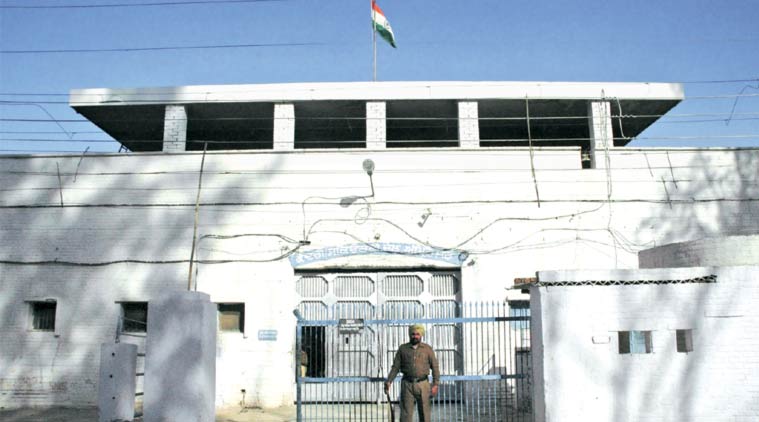 Sports, games and other activities involving the physical contact have already been stopped till further orders in the jails. Inter mixing of prisoners between the barracks has also been reduced. (Express Photo)


 Share


