


Journalism of Courage
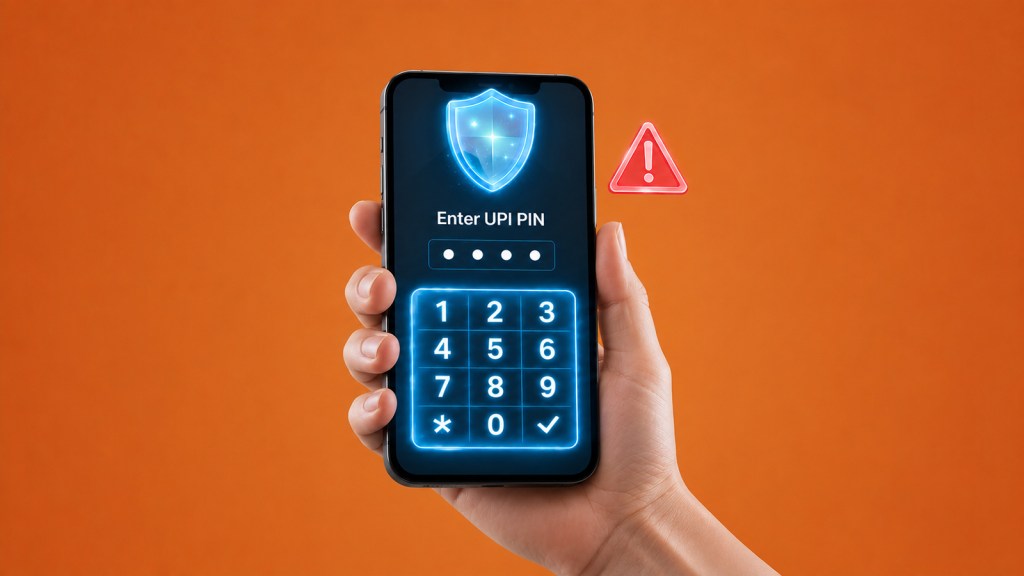
What is UPI PIN Fraud?
UPI PIN fraud is a cyber scam where fraudsters trick you into entering or sharing your UPI PIN, leading to unauthorised transactions from your bank account. Your UPI PIN works like a debit card PIN, authorising every transaction you make through online payment apps.
Most UPI scams do not involve hacking. They rely on simple deception, manipulating victims into willingly entering their PIN, to deduct money from your account. The one fact every UPI user must remember: you only enter your UPI PIN to send money, never to receive it.
If someone asks you to enter your PIN to receive a payment, refund, or cashback…Remember, it is a scam!
Staying informed is the first line of defence. Watch this video to see the scam in action.
How UPI PIN Scams Work
UPI PIN fraud follows a calculated sequence designed to build trust and then exploit it.
Step 1: Initial Contact – Scammers reach out through phone calls, SMS, social networking apps or social media, posing as bank officials, customer care executives, or online buyers. A common entry point is fake online ads offering products at steep discounts, where the seller pushes you to make an advance UPI payment before you can verify the product.
Step 2: Building Trust on Call – Scammers build a relationship by using your name, making friendly small talk, or referencing your recent activity. Once you are comfortable, they introduce a story, such as a refund that needs to be “accepted,” an account that will be blocked, or a cashback reward.
Step 3: The Trick – The scammer sends a collect request and tells you to enter your PIN to “receive” money. Entering your PIN authorises a payment from your account to the scammer. They may also send a QR code, which similarly debits your account.
Step 4: Money Lost – Once you enter your UPI PIN, the money is deducted from your bank account and instantly transferred to the fraudster.
Common Tactics and Warning Signs
Fraudsters adapt their methods, but the patterns remain consistent. Watch out for these warning signs:
How to Protect Yourself
By remembering that your UPI PIN is only for sending money, staying alert, and reporting suspicious activity, you can protect yourself from UPI PIN fraud.
Disclaimer
This content is sponsored and does not reflect the views or opinions of IE Online Media Services Pvt Ltd. No journalist is involved in creating sponsored material and it does not imply any endorsement whatsoever by the editorial team. IE Online Media Services takes no responsibility for the content that appears in sponsored articles and the consequences thereof, directly, indirectly or in any manner. Viewer discretion is advised.