4 min read
© The Indian Express Pvt Ltd



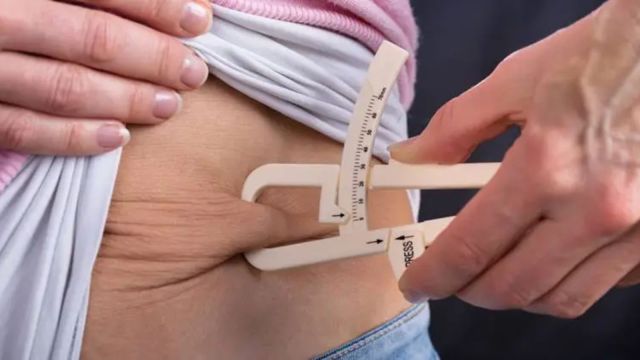 Bariatric surgery is recommended for people who have already made serious attempts to lose weight through diet, exercise and lifestyle changes but have not seen lasting results. (Representative Image)
As a 55-year-old woman died after undergoing bariatric surgery at a private hospital in Meerut, Uttar Pradesh, questions have arisen as to the safety of this procedure and who actually qualifies for it. As the tussle goes on between family members alleging negligence and the doctor claiming that he had informed them about the possibility of complications given her history of severe comorbidities, weight loss surgeries need to be case-specific and entirely guided by qualified surgeons.
The woman and her daughter, weighing 123 kg and 120 kg, had opted for the procedure. But while the daughter’s surgery was successful, the mother developed an infection. “The real problem is that people look at bariatric surgery as a magic pill to lose all that fat overnight without understanding whether their bodies are in a state to withstand this procedure in the first place. Surgery is safe provided you follow a protocol of dos and don’ts that people need to know about,” says Dr Ashish Gautam, bariatric and robotic surgeon at Max Super Speciality Hospital, Patparganj, Delhi.
Bariatric surgery is recommended for people who have already made serious attempts to lose weight through diet, exercise and lifestyle changes but have not seen lasting results. It is a last resort when extreme obesity poses a life risk and interrupts a person’s day-to-day activity. If someone’s Body Mass Index (BMI) is above 32 and they also have health issues like diabetes, osteoarthritis, obstructive sleep apnea or osteoarthrosis, they become eligible for the procedure. In cases where the BMI crosses 35 and obesity becomes excessive despite all other weight-loss efforts, bariatric surgery becomes a strong option.
It is not recommended for people who are struggling with substance abuse, be it alcohol or drugs. Also, people who suffer from unmanaged psychological disorders, such as untreated psychosis or extreme depression, might find it difficult to cope with post-surgery lifestyle adjustments. Given the possible risks to the mother and foetus, pregnancy is another absolute contraindication.
Complications are more likely to occur in people with severe cardiovascular disease, such as advanced heart failure or unstable coronary artery disease. It may be difficult for people with end-stage lung disease to endure the procedure and recuperation. It is generally not advised for patients on active cancer treatment, because of potential interactions and increased health risks.
These include a complete hemogram (blood count), liver function test, kidney function test and other standard blood tests. These are OPD-based, meaning you do not need to be admitted for them.
In addition, we also do upper gastrointestinal endoscopy. This helps us check for ulcers or any other conditions inside the stomach that might need attention before the surgery. There is a pre-anaesthetic check-up, which is essential to confirm whether the patient is fit enough to go under anaesthesia safely.
If the patient has a bleeding disorder (coagulopathy), that needs to be corrected before surgery. Similarly, if the person has uncontrolled hypothyroidism along with morbid obesity, that needs to be treated in advance to avoid complications.
Another important point is that patients are advised to be on a fat-free diet leading up to the surgery. For those with breathing issues due to obesity, using CPAP (Continuous Positive Airway Pressure) support at home helps improve lung function before surgery. These small but important steps go a long way in improving outcomes.
Overall, bariatric surgery gives one a good head start and the steps after that are quite manageable. Patients will just need to come back for a follow-up in about four months to see how things are going and get some updated diet tips.