4 min read


© The Indian Express Pvt Ltd



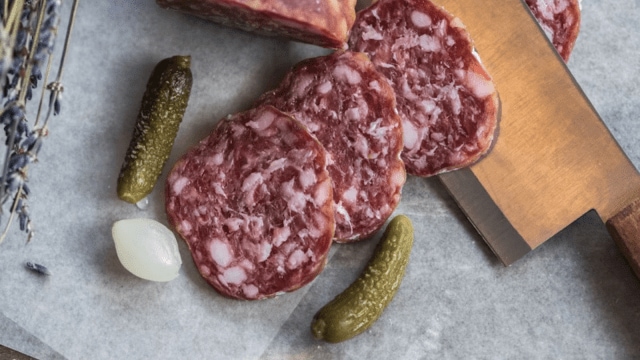 A person should ideally consume 0.8 grams of protein/ kg of body weight every day. Proteins should ideally make up 10% to 35% of the daily energy requirement. (File Photo)
Consuming animal proteins may not be as bad as it is thought to be with a recent study by Canadian researchers suggesting that it does not increase the risk of dying of cancer and may even offer a slight protection.
The study, based on the data of nearly 16,000 people, says that switching to plant-based proteins may not have much benefit when it comes to cancer deaths.
“It is not simply the consumption of protein that increases the cancer risk, it is how the food has been prepared. A normal curry may not be as bad as say a tikka or a fried burger patty. This is because cooking at higher temperature breaks down the amino acids and proteins in the meat to form nitrosamines that are carcinogenic. Making stews like people do in Japan is much better than frying or barbecuing it as is done in the US,” said Ritika Samaddar, regional head, Clinical Nutrition and Dietetics, Max Healthcare. “Addition of some preservatives can also lead to formation of carcinogenic compounds,” she added.
The study, based on dietary observations of 15,937 adults over the age of 19 years, shows that the usual intake of either animal or plant protein had no impact on the risk of death due to any cause. When it comes to the risk of cancer deaths, animal proteins had a mild protective effect while plant proteins did not have any impact at all, the researchers found.
This is surprising, considering the same data previously analysed by another team had reported an astonishing four-fold increased risk of cancer in adults aged between 50 and 65 years who consumed animal proteins and not at all in those who consumed animal proteins.
The Canadian researchers stated that they were not able to fully account for the discrepancy between both the studies and suggested that the earlier study could have been complicated as they considered the actual intake of proteins (something that is recorded for a given day) as compared to usual intake (that records a person’s usual habits).
“It was imperative that our analysis used the most rigorous, gold standard methods to assess usual intake and mortality risk. These methods allowed us to account for fluctuations in daily protein intake and provide a more accurate picture of long-term eating habits,” says Stuart Phillips, Professor and Chair of the Department of Kinesiology at McMaster University.
While it is possible to consume the required amount of protein from plant-based sources such as soybean, beans and lentils, you can continue to consume animal proteins if you do. The study says that there was “no apparent benefit of this recommendation” of switching from animal proteins to plant proteins.
When consuming animal proteins, doctors say that sticking to fish and poultry may be beneficial. The International Agency for Research on Cancer — a World Health Organisation (WHO) agency that looks at cancer-causing effects of various compounds — found small increases in the risk of several cancers and their association with high consumption of red meat. Doctors also say that the consumption of red meat is associated with an increased risk of heart diseases.
A person should ideally consume 0.8 grams of protein/ kg of body weight every day. Proteins should ideally make up 10% to 35% of the daily energy requirement.
With the India-diet being high in carbohydrates, there is a shortfall in the amount of proteins a person ends up consuming even though it is possible to get this amount from the normal consumption of both plant and animal protein. Doctors recommend cutting down on the rice and rotis and increasing the protein component to make up at least a quarter of your plate.