


Journalism of Courage
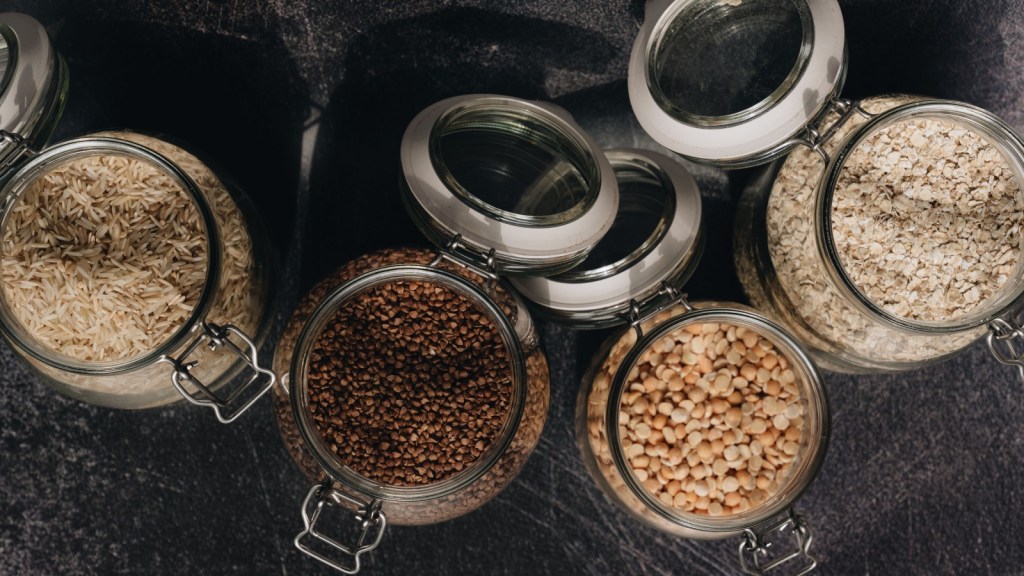 Good sources of soluble fibre include oats, barley, beans, lentils, apples, citrus fruits, carrots, nuts and seeds. (Source: Pexels)
Written by Dr Shalini Garwin Bliss
When we hear the word “fibre”, most of us immediately think of digestion, constipation and keeping our bowel movements regular. But fibre does far more than keep the digestive system moving. It plays an important role in gut health, blood sugar control, cholesterol management, weight management and the health of the trillions of bacteria that live in our gut.
So, when it comes to fibre, is one type better than the other? The answer is no. Our bodies benefit from both soluble and insoluble fibre, and the best approach is to get a variety of fibre from a wide range of plant foods.
Soluble fibre absorbs water and forms a gel-like substance in the digestive tract. This slows down digestion and the absorption of carbohydrates, which can help prevent sharp rises in blood sugar after meals. It can also support healthy cholesterol levels. Good sources of soluble fibre include oats, barley, beans, lentils, apples, citrus fruits, carrots, nuts and seeds.
Insoluble fibre, meanwhile, does a different job. It adds bulk to stool and helps food move through the digestive system. This makes it particularly useful for bowel regularity and preventing constipation. Whole grains, vegetables, nuts, seeds and the skins of many fruits and vegetables are good sources.
The important point, however, is that we do not need to sit down and calculate how much soluble versus insoluble fibre we are eating. Most plant foods contain a combination of different types of fibre. A diet that regularly includes vegetables, fruits, whole grains, pulses, beans, nuts and seeds will naturally provide a mixture of both.
One of the biggest mistakes people make is increasing fibre too quickly. Someone who has been eating very little fibre may suddenly start consuming large salads, several servings of fruit, chia seeds and fibre supplements in an attempt to improve their health. Instead, they may find themselves dealing with bloating, gas and abdominal discomfort.
The body needs time to adjust to an increase in fibre, so it is better to increase intake gradually. Adequate water is equally important. Since fibre absorbs water, significantly increasing fibre without drinking enough fluids can sometimes make constipation worse rather than better.
There is another trap: assuming that a packaged food is automatically healthy simply because its label says “high-fibre”. Fibre-fortified cereals, biscuits and other processed foods can still contain considerable amounts of sugar, salt or refined ingredients. Whenever possible, fibre should come from whole or minimally processed foods.
And increasing fibre does not have to mean making dramatic changes. Simple choices can make a meaningful difference: eat a whole fruit instead of drinking fruit juice, choose whole grains more often, add dal or beans to meals, include vegetables at lunch and dinner and have nuts or seeds in appropriate portions.
It is also important not to look at fibre in isolation. Someone may consume plenty of fibre but still have a diet high in ultra-processed foods, added sugar, unhealthy fats or excessive calories. Fibre is one component of a healthy dietary pattern; it cannot compensate for an otherwise poor diet.
For most adults, roughly 25–30 grams of fibre a day is a reasonable general target, although individual requirements can vary. What matters more than obsessively counting grams is making fibre a regular part of everyday meals.
More is not necessarily better. Very large amounts of fibre, particularly when introduced suddenly, can cause significant bloating, gas and digestive discomfort. The goal should be an adequate and varied intake rather than an unnecessarily high one.
People with certain digestive problems may also need to modify the amount or type of fibre they consume, particularly when symptoms are active. Anyone experiencing persistent bloating, abdominal pain, unexplained changes in bowel habits or other digestive symptoms should not simply keep increasing fibre without understanding the underlying cause.
Small, consistent dietary changes are far more sustainable—and usually more beneficial—than suddenly making extreme changes in an attempt to eat more fibre.
(The author is Head-Dietetics, PSRI Hospital, New Delhi)