


- Tags:
- blood sugar
- diabetes
- meal
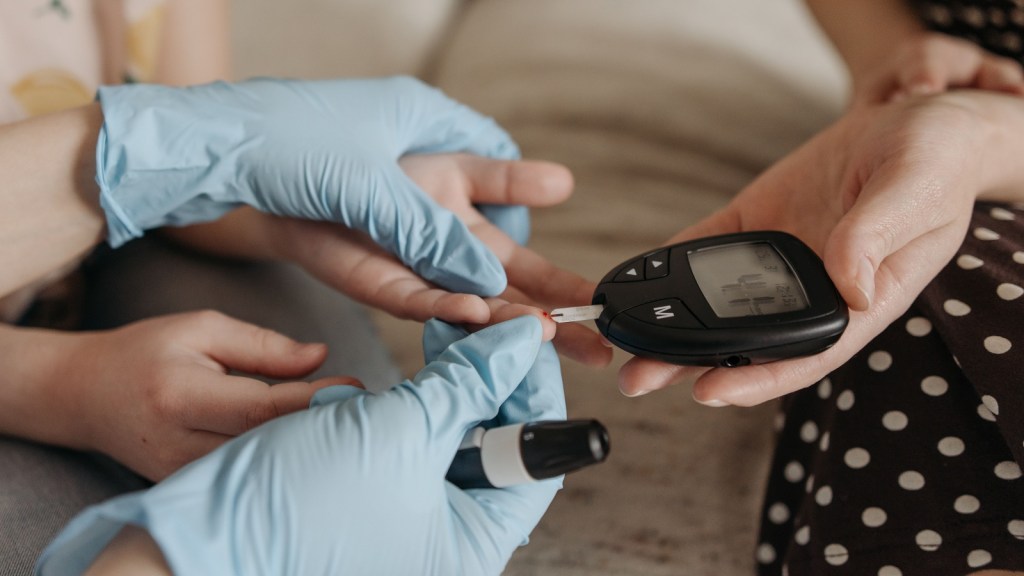 Type 2 diabetes can progress as the pancreas gradually loses some of its capacity to produce insulin. (Source: Pexels)
“Doctor, I have reduced rice to four spoonfuls and eat only one roti. Why is my blood sugar still going up,” asked my patient. The meal photo on the phone provided part of the answer. There was indeed only one roti. Around it were potato curry, a large bowl of dal, sweetened curd and two pieces of mango. An hour before he sent me the photo, he had taken tea with three biscuits. None of these foods had been counted because all the attention was on rice and wheat.
This is common in a diabetes clinic. Rice and roti are often the main suspects, and cutting back on them feels like a major correction. Yet blood glucose responds to the entire meal—and often to what is eaten and drunk between meals. A smaller portion of rice cannot compensate for fruit juice at breakfast, biscuits with tea, namkeen in the evening, or a generous serving of potato curry.
The answer is not to keep removing foods until the plate is almost empty. It is to understand where the carbohydrates are coming from, how much is being consumed, and what accompanies them.
Rice and wheat are obvious sources of starch, but they are not the only ones. Potatoes, sweet potatoes, corn, sabudana, breakfast cereals, bread, noodles, poha, upma, idli, and dosa also provide carbohydrates. So do milk, fruit, dal, and beans, although these foods provide useful protein, fibre and micronutrients.
A woman patient had stopped eating rice at dinner and replaced it with two bowls of vegetable poha. She was surprised that her post-meal glucose had not improved. The problem was not that poha is forbidden. The replacement portion contained as much, and possibly more, carbohydrate as the rice it replaced.
The same applies to foods with a healthy reputation. Oats, daliya, quinoa, and millets may provide more fibre and nutrients than highly refined cereals, but they still contain carbohydrates. A large serving of millet khichdi can raise glucose levels considerably. “Healthy” does not mean unlimited, and “gluten-free” does not mean glucose-free.
Many people describe their lunch and dinner accurately but forget the food that has no formal place in the day. One biscuit with each cup of tea, a handful of namkeen while on the phone, a few cashews whenever passing the kitchen, or fruit after every meal may seem too small to mention. Repeated throughout the day, they matter.
One gentleman had reduced his rotis from three to two and was walking every evening, yet his weight and glucose levels were rising. His meals were quite reasonable. The overlooked detail was the large jar of roasted makhana beside his desk. He finished it over two workdays because makhana had been described as a healthy snack. Roasting had not removed its starch, and the added ghee had increased its calories.
Fruit juice, coconut water, sweet lassi, flavoured yogurt, milkshakes and repeated cups of sweet tea can add a considerable glucose load. Honey, jaggery, and brown sugar are still added sugars. Changing the colour or source of the sweetener does not change its basic effect. Fruit is best eaten whole and in sensible portions. When several fruits are juiced together, the drink is consumed quickly, provides much less intact fibre and is easier to overconsume. The body receives the sugar from three oranges without the fullness that usually comes from eating three oranges.
“No added sugar” also requires careful reading. A product may still contain concentrated fruit, refined flour or starch. Check the serving size and total carbohydrate rather than relying on terms such as “diabetic” or “multigrain”.
A paratha may produce a slower initial rise in blood sugar because fat delays digestion, yet glucose may remain elevated later and the extra calories work against weight control. A regular excess of fried foods, snacks and liberal amounts of oil or ghee can provide more energy than the body uses.
Over time, this can increase subcutaneous and abdominal fat and lead to accumulation in the liver and pancreas. A fatty liver responds poorly to insulin and may continue releasing glucose when it should not, making both fasting and post-meal glucose harder to control.
A meal may, therefore, look better on an early glucose reading while gradually worsening metabolism over the longer term.
Type 2 diabetes can progress as the pancreas gradually loses some of its capacity to produce insulin. A meal that produced an acceptable reading two years ago may produce a higher reading today, even if the portion has not changed.
Fasting glucose may rise because the liver releases glucose during the night and early morning. Poor sleep, emotional stress, infection, pain, reduced activity, and medications such as steroids can push readings higher. Weight gain, even without an obvious dietary change, can increase insulin resistance. Diabetes tablets that are missed several times a week cannot provide their intended effect.
This is why endlessly cutting rice and roti may be the wrong response to a rising HbA1c (average blood sugar counts of three months). The treatment may need review. The timing or dose of a medication may need adjustment, or another medication may be required. Severe restriction can leave someone hungry, tired, and more likely to snack later.
When the explanation is unclear, I ask for photographs of everything consumed over three ordinary days—not the unusually disciplined day before a clinic visit. The record should include approximate quantities, times, glucose readings and medications.
Patterns usually become visible. Breakfast may be small, followed by biscuits at 11 am. Lunch may include one roti and two starchy vegetables. Dinner may be controlled, while a large bowl of fruit is eaten just before bed. Sometimes the food is appropriate, and the real issue is a missed evening tablet or almost no movement during the day.
A practical starting point is half a plate of non-starchy vegetables, one quarter protein-rich foods such as dal, curd, paneer, eggs, fish, or chicken, and one quarter rice, roti, or another cereal. Individual needs will vary. Rice and wheat do not need to disappear. They need to occupy the right amount of space.
(The author is Secretary, Endocrine Society of Delhi and Senior Consultant, Endocrinology, Indraprastha Apollo Hospitals, Delhi)