4 min readNew DelhiMar 12, 2026 08:57 AM IST
First published on: Mar 12, 2026 at 07:31 AM IST
The Supreme Court on Wednesday allowed the withdrawal of life-supporting care for Harish Rana, 32, who has been in a vegetative state for years. While there is no law governing passive euthanasia in India, here’s a look at the draft guidelines for such a procedure.
What is passive euthanasia?
Active euthanasia is a process in which a physician may prescribe a lethal drug or injection to relieve the suffering of a person with no hope of recovery. It is legal in countries such as the US, Canada, Australia, and parts of Europe — but not in India.

Passive euthanasia means allowing a person to die naturally by withholding life-sustaining treatment. Patients or their families can refuse treatments such as cardio-pulmonary resuscitation, ventilator support, chemotherapy, radiotherapy, dialysis or specialised nutrition.
What is the procedure for passive euthanasia in India?
In 2024, the Union Health Ministry released a set of draft guidelines, based on the top court’s 2023 directives, detailing the process hospitals must follow to withhold or withdraw care.
- First, the treating physician needs to decide if the patient has any hope of recovery or having a good quality of life if treatment measures remain in place.
- Then, a primary board has to assess the case and reach a consensus. This board comprises the treating physician and two subject experts with five or more years of experience.
- The doctors then need to discuss the prognosis with family and whether they want any other treatment. A shared decision has to be taken and the team of doctors has to come up with a consistent plan for care.
- If the doctors and the family decide that the measures should be withdrawn, they need to submit a request to be submitted to a secondary medical board. This board consists of a doctor nominated by the chief medical officer (CMO) of a district and two subject experts with five or more years of experience. This board has to take a decision within 48 hours. Hospitals must also inform magistrates before withdrawal of treatment, though their approval is not required.
The hurdles
Dhvani Mehta, co-founder of the Vidhi Centre for Legal Policy and one of the counsel representing Harish Rana’s family, said that issues remain despite the top court simplifying the process in 2023. “It is still difficult to find doctors with a sufficient level of expertise and experience in all hospitals. And, when it comes to the secondary medical board, the process requires the CMO to send in the list of nominated doctors,” Mehta said.
She said that very few states have commenced the process of actually creating this list of nominated doctors for the secondary medical board. These include states such as Maharashtra, Goa, and Karnataka.
Dr Sushma Bhatnagar, former head of the palliative care team at the All India Institute of Medical Sciences, New Delhi, said: “It is easier to withdraw such life sustaining measures after thoroughly counselling the family members in a government hospital. Many private hospitals, however, are afraid of litigation.”
Dr Bhatnagar has, however, instituted a similar practice in Delhi’s Indraprastha Apollo hospital where she now works. “Patients and their family members understand the pain of prolonging life through such measures. What is required is clear communication that can help them understand that they have done everything. There is a lot of guilt that families face over such a decision,” says Dr Bhatnagar.
How can living wills help?
What has made the process easier is knowing the patient’s wishes through a living will. These directives allow terminal patients to create a legal document choosing the measures that they would like or would not like to have done to them when they no longer have the capacity to decide.
Dr Bhatnagar has started a living will clinic in Indraprastha Apollo hospital — the first such clinic in a private hospital in north India.
It allows them to choose the type of care they would like to receive, the gender they would like to be addressed as, and it allows a patient to nominate a person to take their medical decisions, which could be someone other than their family.

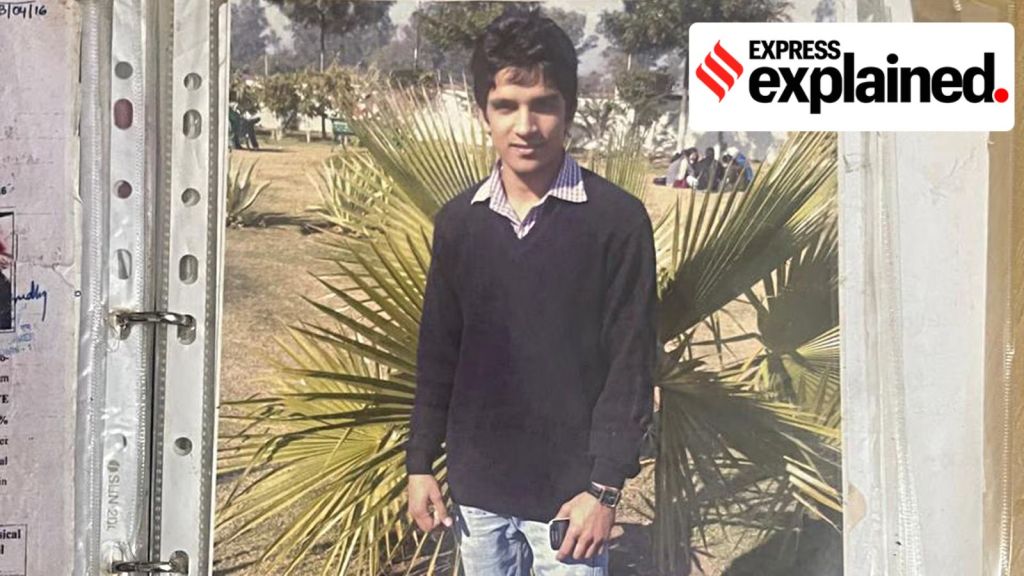 The Supreme Court allowed passive euthanasia, permitting the withdrawal of life support for 32-year-old Harish Rana, a Ghaziabad resident, who has been in a persistent vegetative state for 13 years. (Express)



 Share


